









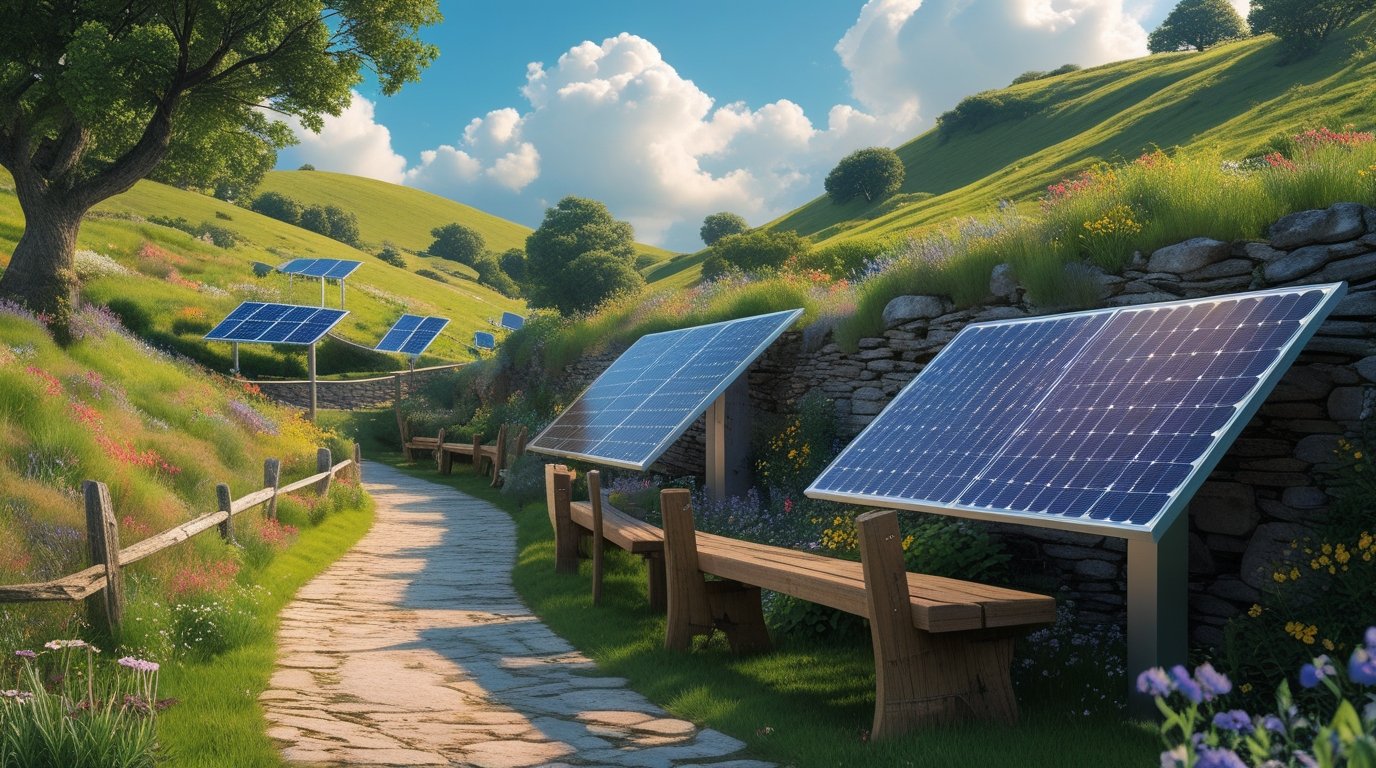
The demand for sustainable energy solutions has surged over the years, with solar power becoming one of the most popular options for residential and commercial energy needs. Among the various solar technologies available today, solar panels have proven to be an efficient and cost-effective way to harness the sun’s energy. The solar panels TEAS passage provides a unique opportunity for individuals and businesses to tap into this renewable energy source, offering numerous benefits ranging from reduced utility bills to a smaller carbon footprint. This article will explore the significance of solar panels TEAS passage, how they work, the advantages of switching to solar energy, and why this solution is rapidly gaining popularity worldwide.
What Are Solar Panels?
Before diving into the specifics of the solar panels TEAS passage, it is essential to understand what solar panels are and how they function. Solar panels, also known as photovoltaic (PV) panels, are devices designed to convert sunlight into electricity. The panels consist of solar cells made from semiconductor materials, such as silicon, that absorb photons from sunlight. When these photons hit the solar cells, they generate an electric current through the photovoltaic effect, which can then be used to power homes, businesses, and various other applications.
Types of Solar Panels
There are three main types of solar panels used in residential and commercial applications:
- Monocrystalline Solar Panels: These are made from a single crystal structure and are known for their high efficiency and longevity. Monocrystalline panels are typically more expensive but offer superior performance.
- Polycrystalline Solar Panels: These panels are made from multiple silicon crystals. While they are less efficient than monocrystalline panels, they are more affordable and still provide good performance.
- Thin-Film Solar Panels: These are made from a thin layer of photovoltaic material applied to a substrate such as glass or plastic. Thin-film panels are lightweight and flexible, making them suitable for a wide range of applications, but they are typically less efficient than silicon-based panels.
Understanding the different types of solar panels is important, especially when considering the TEAS passage, as the efficiency, cost, and installation requirements may vary based on the panel type chosen.

Solar Panels TEAS Passage: A Key to Transitioning to Renewable Energy
The term solar panels TEAS passage refers to a critical process and initiative in the broader context of solar energy adoption. TEAS stands for The Environmental Assessment and Standards, which is an approach designed to help individuals and businesses navigate the complex landscape of energy transition, particularly when considering the integration of solar panels into their energy systems.
The solar panels TEAS passage offers a roadmap for implementing solar energy systems in compliance with environmental standards, ensuring that solar installations meet the necessary performance, safety, and regulatory requirements. By understanding this passage, individuals and businesses can make informed decisions about installing solar panels, while also contributing to sustainability and minimizing environmental impact.
The Role of TEAS in Solar Panel Adoption
The TEAS passage plays a crucial role in setting guidelines and standards for the installation and operation of solar panels. It is a certification process that ensures solar energy systems meet specific environmental and performance criteria, helping to maintain consistency and reliability across the solar industry. For instance, TEAS passage assessments may include factors such as:
- Energy Efficiency: Ensuring that solar panels deliver the expected energy output and are designed to work efficiently under various weather conditions.
- Environmental Impact: Evaluating how the production and operation of solar panels affect the environment, including considerations for sustainable manufacturing practices.
- Regulatory Compliance: Ensuring that solar installations comply with local and national regulations related to energy production, safety, and construction.
The solar panels TEAS passage serves as a valuable tool for anyone looking to switch to solar energy, providing a clear path for energy transition while adhering to industry standards.
Advantages of Solar Panels: Why You Should Consider TEAS Passage
Switching to solar energy offers a multitude of benefits, both for homeowners and businesses. The solar panels TEAS passage plays an essential role in maximizing these advantages by ensuring that installations are done correctly and meet high environmental and regulatory standards. Let’s explore some of the key benefits of solar panels and how the TEAS passage enhances these advantages.
1. Reducing Energy Costs
One of the most compelling reasons to invest in solar panels is the potential for reducing energy costs. By harnessing the power of the sun, homeowners and businesses can generate their own electricity, reducing their reliance on the grid. The solar panels TEAS passage ensures that the solar system is installed in a way that maximizes efficiency, further enhancing savings by ensuring optimal energy production.
2. Environmental Sustainability
Solar energy is a clean and renewable energy source that has a minimal environmental impact. By switching to solar panels, individuals and businesses can significantly reduce their carbon footprint and contribute to global efforts to combat climate change. The solar panels TEAS passage ensures that solar systems adhere to environmental standards, helping to maintain sustainable practices in the manufacturing and operation of solar panels. This certification encourages eco-friendly choices that support a greener future.
3. Increasing Property Value
As more homebuyers and businesses prioritize sustainability, properties with solar energy systems are becoming more attractive. The solar panels TEAS passage adds credibility to the installation, ensuring that the system is professionally installed and meets industry standards, which can increase the resale value of your property.
4. Energy Independence
Solar panels provide a degree of energy independence, allowing you to generate your own electricity. This is particularly beneficial in regions where energy costs are volatile or where the grid is unreliable. The solar panels TEAS passage emphasizes the importance of reliable energy production, ensuring that the system will deliver consistent results over time, which is key to achieving true energy independence.
5. Tax Incentives and Rebates
Many governments offer tax incentives, rebates, and grants to individuals and businesses that install solar panels. These financial incentives can significantly reduce the upfront cost of installation, making solar energy more affordable. The solar panels TEAS passage ensures that the solar installation meets the necessary criteria to qualify for these incentives, providing additional financial benefits to those who make the switch.
How the TEAS Passage Enhances the Solar Panel Installation Process
Installing solar panels requires careful planning, design, and implementation to ensure optimal performance and compliance with local regulations. The solar panels TEAS passage serves as a guide to navigating this process, helping both homeowners and businesses understand the necessary steps to successfully install and maintain their solar energy systems.
1. Assessment of Site Suitability
The first step in installing solar panels is assessing the suitability of the site. This includes evaluating factors such as sunlight exposure, roof orientation, and shading. The solar panels TEAS passage includes guidelines for performing this assessment to ensure that the installation will generate the maximum amount of solar energy possible.
2. Installation Standards and Best Practices
The TEAS passage outlines best practices for the installation of solar panels, ensuring that systems are set up correctly and efficiently. This includes recommendations for the proper positioning of panels, wiring, and electrical connections. Following these standards helps to prevent common installation issues and ensures the longevity of the solar energy system.
3. Performance Monitoring and Maintenance
To ensure that solar panels continue to operate at peak efficiency, regular performance monitoring and maintenance are essential. The solar panels TEAS passage emphasizes the importance of ongoing system evaluation and provides recommendations for routine checks, cleaning, and repairs as needed. By following these guidelines, solar panel owners can maximize the lifespan and performance of their systems.

Solar Panels TEAS Passage and the Future of Renewable Energy
As the world increasingly embraces renewable energy sources, the role of solar panels in the global energy transition becomes more important. The solar panels TEAS passage ensures that solar systems are installed and maintained in a way that supports the long-term sustainability of solar energy. By following these standards, we can help accelerate the adoption of solar power, reduce reliance on fossil fuels, and pave the way for a more sustainable future.
The Growing Popularity of Solar Panels
The use of solar panels has been steadily growing, with advancements in technology making them more affordable and efficient than ever before. As the demand for renewable energy sources increases, it is likely that the solar panels TEAS passage will become an even more important tool in ensuring the successful integration of solar energy into our homes and businesses.
Global Efforts Toward a Clean Energy Future
Governments around the world are setting ambitious goals for reducing carbon emissions and transitioning to renewable energy. Solar power is central to these efforts, and the solar panels TEAS passage supports the achievement of these goals by ensuring that solar systems are installed with environmental sustainability in mind. By adhering to these standards, individuals and businesses can play an active role in contributing to the global shift toward clean energy.
Conclusion
The solar panels TEAS passage is an essential framework that helps guide individuals and businesses through the process of adopting solar energy. By understanding the benefits of solar panels and following the TEAS passage guidelines, you can ensure that your solar installation is efficient, environmentally friendly, and compliant with necessary standards. As solar energy continues to gain popularity, this framework will play a key role in making the transition to renewable energy smoother and more effective. Whether you’re looking to reduce energy costs, minimize your carbon footprint, or contribute to the future of sustainable energy, the solar panels TEAS passage is an invaluable resource for making informed decisions.
FAQs
1. What is the TEAS passage for solar panels?
The TEAS passage refers to The Environmental Assessment and Standards (TEAS), a framework that ensures solar panel systems meet environmental, safety, and performance standards for effective and sustainable installation.
2. How do solar panels reduce energy costs?
Solar panels generate electricity by harnessing sunlight, reducing the need to purchase electricity from the grid.
3. Can I qualify for tax incentives by installing solar panels?
Yes, many governments offer tax credits, rebates, and incentives for installing solar panels. These incentives can reduce the upfront cost of installation.
4. How do I know if my site is suitable for solar panel installation?
Site suitability is determined by factors like roof orientation, exposure to sunlight, shading from trees or buildings, and overall space available for installation. The TEAS passage includes guidelines for performing these assessments.
5. What is the lifespan of solar panels?
The lifespan of solar panels typically ranges between 25 to 30 years, with many panels still operating efficiently after this period. Regular maintenance and monitoring can help extend the lifespan of the system.