









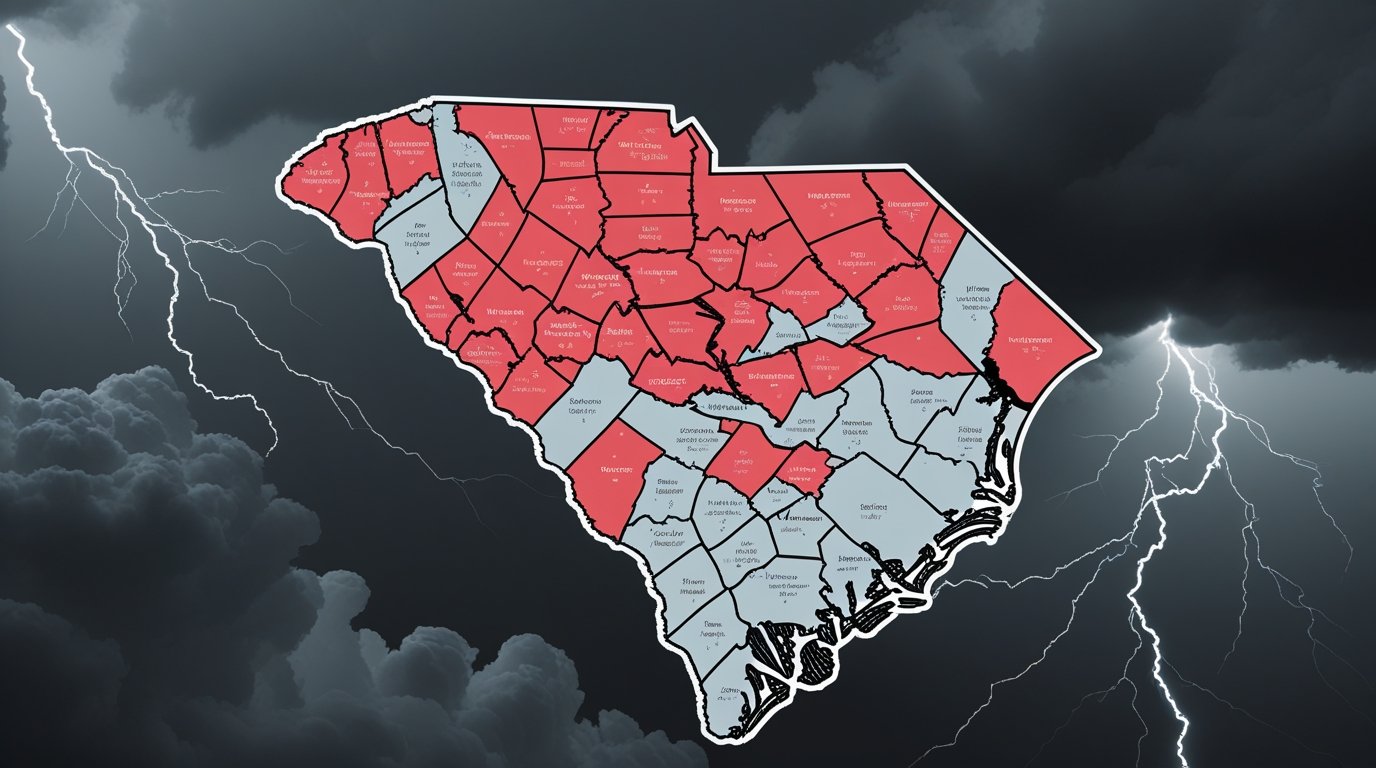
Severe weather can strike unexpectedly, and when Multiple Severe Thunderstorm Alerts Issued for South Carolina Counties alerts are issued for South Carolina counties, it’s essential to stay informed and prepared. These weather warnings often signal that potentially hazardous conditions are on the horizon, and residents need to take appropriate action. In this comprehensive guide, we will explore the significance of severe thunderstorm alerts, how to stay safe during such weather events, and what residents of South Carolina can expect when Multiple Severe Thunderstorm Alerts Issued for South Carolina Counties alerts are issued for South Carolina counties.
Understanding Severe Thunderstorms and Alerts
Before diving into the details of Multiple Severe Thunderstorm Alerts Issued for South Carolina Counties, it’s essential to understand what a severe thunderstorm is and what the alerts mean. A severe thunderstorm is defined by the National Weather Service (NWS) as a storm that produces one or more of the following: hail of 1 inch or greater in diameter, winds of 58 miles per hour or more, or the potential for tornadoes. These storms can cause significant damage, including property destruction, power outages, and even injury or loss of life.
When the NWS issues Multiple Severe Thunderstorm Alerts Issued for South Carolina Counties alerts for South Carolina counties, they are providing a warning to the public about the imminent risk of these dangerous weather conditions. Severe thunderstorm watches and warnings are two common types of alerts issued:
Severe Thunderstorm Watch
While it does not mean that a storm is currently happening, it serves as a heads-up to residents that they should be prepared for the possibility of severe weather. The watch may cover a larger area, and it typically lasts for several hours.
Severe Thunderstorm Warning
A severe thunderstorm warning is issued when a severe thunderstorm is imminent or already occurring in a specific area. This means that dangerous weather conditions, such as hail, damaging winds, or even tornadoes, are present or likely to happen soon. A warning typically lasts for a shorter period, usually up to an hour, and it is critical for residents to take immediate action when Multiple Severe Thunderstorm Alerts Issued for South Carolina Counties alerts are issued for South Carolina counties.
Why South Carolina Is Prone to Severe Thunderstorms
South Carolina, located along the southeastern U.S. coastline, is vulnerable to severe thunderstorms due to its geographical location. The state’s climate is classified as humid subtropical, characterized by hot, humid summers and mild winters. During the warmer months, the combination of heat, humidity, and atmospheric instability creates an environment conducive to the development of severe thunderstorms.
The state’s proximity to the Atlantic Ocean also plays a role in its susceptibility to severe weather. Coastal South Carolina often experiences the influence of tropical storms and hurricanes, which can bring intense thunderstorms and heavy rain. Inland areas, such as the Upstate and Midlands regions, may experience severe thunderstorms from the collision of moist air from the Gulf of Mexico and cooler, drier air from the north.
The risk of severe weather increases when Multiple Severe Thunderstorm Alerts Issued for South Carolina Counties alerts are issued for South Carolina counties, as it can signify that a series of storms or a major system is moving through the region.
The Impact of Multiple Severe Thunderstorm Alerts Issued for South Carolina Counties Alerts
When Multiple Severe Thunderstorm Alerts Issued for South Carolina Counties alerts are issued for South Carolina counties, it’s important to recognize that these storms can occur in quick succession or impact different regions of the state at the same time. This could mean a combination of several storms that each present their own set of hazards. The rapid movement of storms can increase the likelihood of flooding, damaging winds, and hail, as well as the potential for tornado formation.
In recent years, South Carolina has seen an increase in severe weather events. According to the NWS, the number of severe thunderstorm warnings issued in the state has steadily risen, especially during the spring and summer months. The state is no stranger to intense weather, and when Multiple Severe Thunderstorm Alerts Issued for South Carolina Counties alerts are issued for South Carolina counties, residents must be prepared for the worst-case scenario.
How to Prepare for Severe Thunderstorms in South Carolina
When Multiple Severe Thunderstorm Alerts Issued for South Carolina Counties alerts are issued for South Carolina counties, residents should take immediate steps to protect themselves and their property. Below are several tips to ensure that you and your family stay safe during severe weather events.
1. Stay Informed
The first and most important step in preparing for severe thunderstorms is staying informed. Monitor local weather reports, tune into the National Weather Service alerts, and use weather apps that provide real-time updates on severe weather. Many mobile devices offer push notifications when Multiple Severe Thunderstorm Alerts Issued for South Carolina Counties alerts are issued for South Carolina counties. It’s critical to remain alert, especially if you’re in an area under a severe thunderstorm watch or warning.
2. Create an Emergency Kit
When Multiple Severe Thunderstorm Alerts Issued for South Carolina Counties alerts are issued for South Carolina counties, it’s important to have an emergency kit ready. This kit should include essential items such as bottled water, non-perishable food, first aid supplies, flashlights, extra batteries, a battery-powered radio, and any necessary medications. Keep your kit in an easily accessible location so that you can grab it quickly if you need to take shelter during a storm.
3. Identify Safe Shelter Areas
Knowing where to take shelter during a severe thunderstorm is crucial when Multiple Severe Thunderstorm Alerts Issued for South Carolina Counties alerts are issued for South Carolina counties. Ideally, you should seek shelter in the lowest, most interior part of your home, away from windows. If you live in a mobile home or other temporary structure, it’s important to know the nearest sturdy building where you can seek shelter in case of severe weather.
4. Secure Outdoor Objects
Strong winds are a significant hazard during severe thunderstorms, and they can turn everyday objects into dangerous projectiles. Before a storm hits, secure any outdoor furniture, grills, trash cans, or other objects that could be picked up by the wind when Multiple Severe Thunderstorm Alerts Issued for South Carolina Counties alerts are issued for South Carolina counties. This will reduce the risk of damage to your property and prevent injuries.
5. Plan for Power Outages
Severe thunderstorms often bring power outages, so it’s essential to have a plan in place when Multiple Severe Thunderstorm Alerts Issued for South Carolina Counties alerts are issued for South Carolina counties. If possible, have a backup power source, such as a generator, and ensure that you have extra fuel on hand. Keep your phone charged, and consider investing in a portable power bank to keep communication lines open during a storm.
6. Follow Evacuation Routes
In rare cases, severe thunderstorms can lead to widespread flooding or dangerous road conditions. If evacuation becomes necessary, be sure to follow designated evacuation routes and avoid driving through flooded areas. Water may be deeper than it appears, and vehicles can easily become stranded or swept away. Always listen for local alerts when Multiple Severe Thunderstorm Alerts Issued for South Carolina Counties alerts are issued for South Carolina counties to stay safe during these conditions.
The Role of Technology in Thunderstorm Alerts
Advancements in technology have made it easier than ever to stay informed during severe weather events. The integration of weather apps, wireless emergency alerts, and NOAA weather radios has helped save lives and reduce property damage in South Carolina and beyond. Many modern smartphones are equipped with emergency alert systems that will automatically notify users when Multiple Severe Thunderstorm Alerts Issued for South Carolina Counties alerts are issued for South Carolina counties, even when their device is on silent mode.
Additionally, radar technology allows meteorologists to track thunderstorms in real time, providing valuable information about storm speed, size, and potential threats. This data helps the NWS issue more accurate and timely warnings, which can be a lifesaver for residents when Multiple Severe Thunderstorm Alerts Issued for South Carolina Counties alerts are issued for South Carolina counties.
Statistics on Severe Thunderstorms in South Carolina
South Carolina experiences a high frequency of severe thunderstorms, especially during the summer months. According to the NWS, the state sees an average of 40-50 severe thunderstorm warnings issued each year. The number of times Multiple Severe Thunderstorm Alerts Issued for South Carolina Counties alerts are issued for South Carolina counties is also rising.
In addition to thunderstorms, South Carolina is also susceptible to tropical storms and hurricanes, which can exacerbate the impacts of severe weather. The state’s coastal regions, including Charleston and Myrtle Beach, often bear the brunt of these storms, while inland areas, such as Greenville and Columbia, experience more intense thunderstorms.
Conclusion
When Multiple Severe Thunderstorm Alerts Issued for South Carolina Counties alerts are issued for South Carolina counties, it’s important for residents to take the necessary precautions to protect themselves, their families, and their property. By staying informed, having an emergency kit, securing your home, and knowing where to take shelter, you can reduce the risks posed by severe thunderstorms.
As severe weather events continue to increase, it’s crucial for residents to be proactive and prepared. By understanding the types of alerts issued by the NWS and taking appropriate action when Multiple Severe Thunderstorm Alerts Issued for South Carolina Counties alerts are issued for South Carolina counties, you can ensure your safety during these potentially dangerous storms. Remember, the key to surviving a severe thunderstorm is preparedness and vigilance.
Frequently Asked Questions (FAQs)
Q: How can I receive weather alerts for my area?
A: You can receive weather alerts through various sources, including the NWS website, weather apps, NOAA weather radios, and local news stations. Many smartphones also have built-in emergency alert systems that will notify you of Multiple Severe Thunderstorm Alerts Issued for South Carolina Counties.
Q: What should I do if I’m caught outside during a severe thunderstorm?
A: If you’re caught outside during a severe thunderstorm, seek shelter immediately in a sturdy building or vehicle. Avoid taking shelter under trees or other tall structures, as lightning can strike them. If you cannot find shelter, crouch down low to the ground, avoid water, and stay away from metal objects.
Q: How do I know if my area is under a tornado watch or warning?
A: A tornado watch means that conditions are favorable for tornadoes to form in your area, while a tornado warning indicates that a tornado has been sighted or detected on radar. Pay attention to local alerts when Multiple Severe Thunderstorm Alerts Issued for South Carolina Counties alerts are issued for South Carolina counties.
Q: Can I drive during a severe thunderstorm?
A: It’s best to avoid driving during a severe thunderstorm, as heavy rain, hail, and high winds can create hazardous road conditions. If you must drive, slow down, turn on your headlights, and avoid areas prone to flooding when Multiple Severe Thunderstorm Alerts Issued for South Carolina Counties alerts are issued for South Carolina counties.