





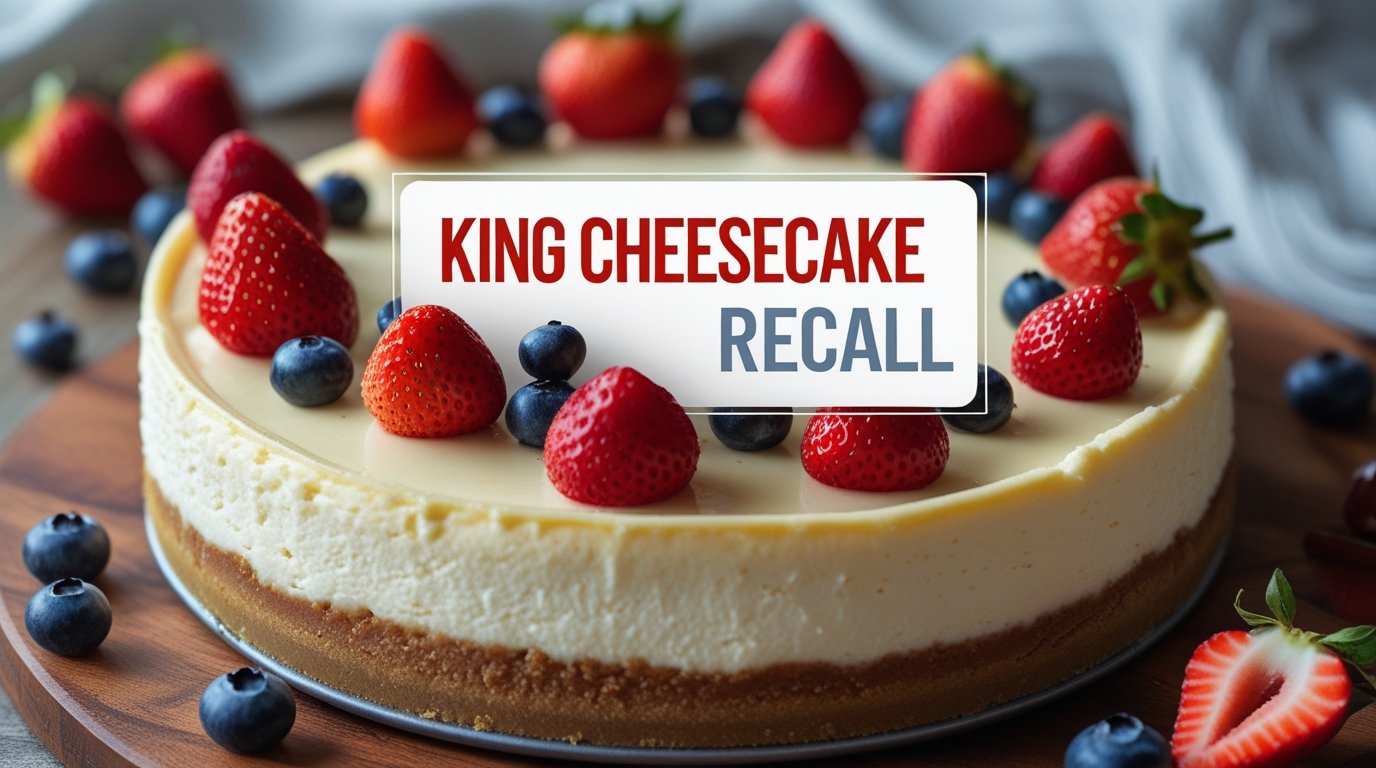
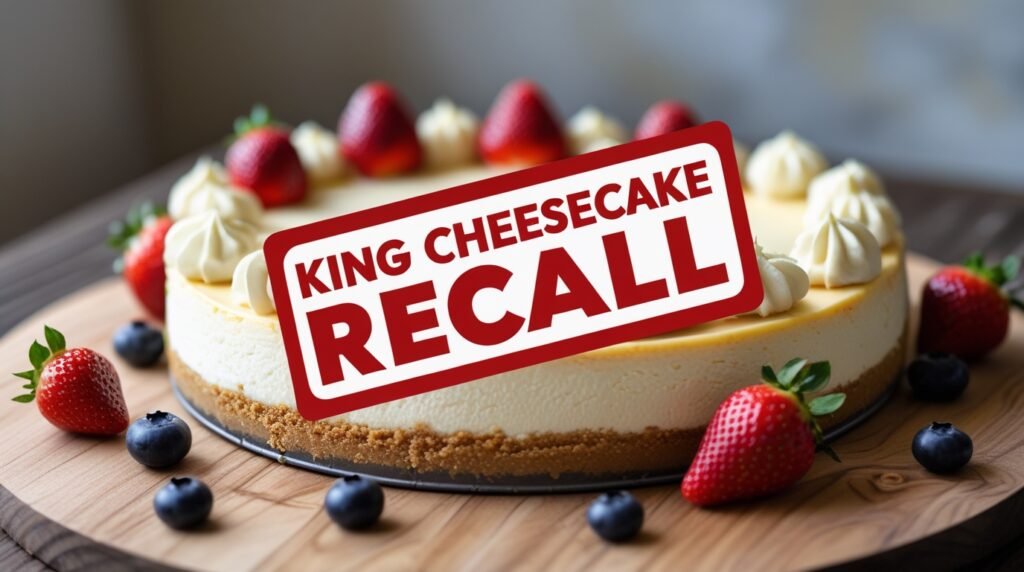
In recent months, the food industry has seen several high-profile product recalls, and one that has caught the attention of many is the King Cheesecake recall. If you’re a fan of this popular dessert or have recently purchased one of these products, it’s important to understand the reasons behind the recall, the risks involved, and what steps you should take to ensure your safety. In this comprehensive article, we will cover all aspects of the King Cheesecake recall, including why it happened, how it affects consumers, and what actions you need to take.
What is the King Cheesecake Recall?
The King Cheesecake recall refers to a public safety warning issued for certain King Cheesecake products that were found to pose a potential health risk to consumers. This recall was initiated after reports surfaced that the cheesecake products could have been contaminated with harmful substances, such as undeclared allergens or bacteria, which could cause serious health issues if consumed.
While food recalls are not uncommon, this particular recall has affected a broad consumer base due to the popularity of King Cheesecake products in grocery stores and restaurants across the United States. This article aims to provide clarity on what happened during the King Cheesecake recall, how to identify affected products, and what actions you should take to protect your health.
Why Was the King Cheesecake Recalled?
Potential Health Risks Involved
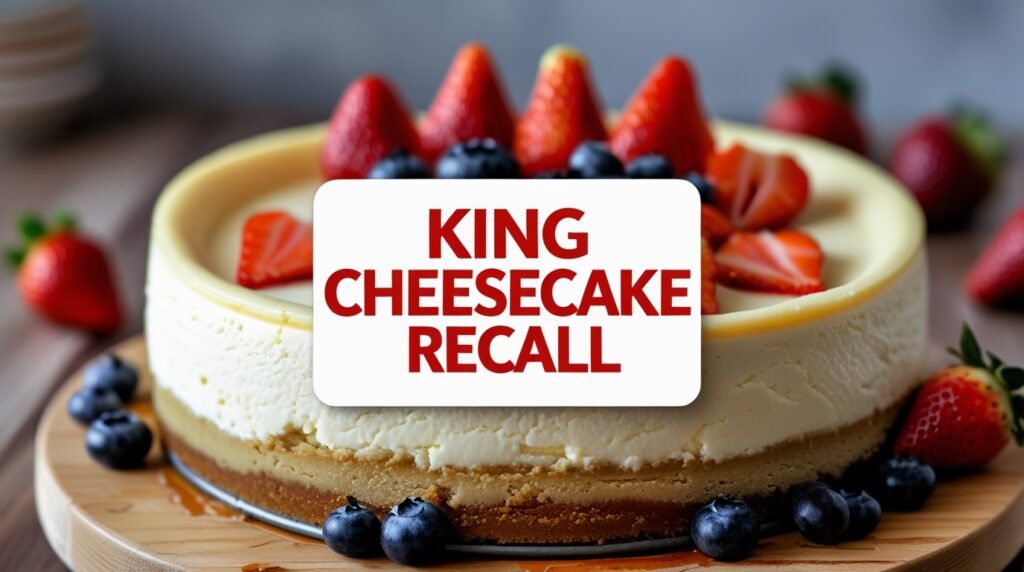
The King Cheesecake Recall products was triggered by a series of health concerns, including the presence of undeclared allergens, which can lead to allergic reactions in sensitive individuals. Food allergens such as nuts, dairy, gluten, and eggs are common triggers for allergies, and their accidental inclusion in products not labeled to reflect these ingredients can have severe consequences for consumers with allergies.
In addition to the allergen concerns, there were also reports of bacterial contamination, which could cause foodborne illnesses. Common bacteria such as Salmonella, E. coli, and Listeria can lead to gastrointestinal issues, fever, and even more severe health complications, especially in vulnerable groups like children, the elderly, and pregnant women.
The discovery of these potential risks prompted the manufacturer to voluntarily issue a recall in order to protect consumers and avoid the possibility of further harm. Food safety agencies such as the Food and Drug Administration (FDA) and the United States Department of Agriculture (USDA) have been involved in the investigation and have provided guidance on how to proceed.
Investigation and Findings
The King Cheesecake recall was the result of an ongoing investigation into food safety practices within the company’s production facilities. Following an internal inspection, the company discovered that some batches of their cheesecakes had been incorrectly labeled or contaminated with allergens and bacteria during the manufacturing process. This led to the recall of affected products to prevent further distribution to stores and consumers.
The company worked closely with food safety authorities to ensure that all impacted products were identified, removed from shelves, and properly disposed of to mitigate the risk to public health. Their swift action was crucial in addressing the issue, as product recalls are critical for ensuring food safety and preventing outbreaks of illness.
Affected Products in the King Cheesecake Recall
Types of King Cheesecake Affected
The King Cheesecake recall affected various flavors and types of cheesecakes that were distributed in multiple regions. Some of the affected products include:
- King Cheesecake Classic New York Style
- King Cheesecake Chocolate Swirl
- King Cheesecake Strawberry Delight
- King Cheesecake Vanilla Bean
These products were sold in various sizes, from individual slices to full-size cakes. The recall specifically targeted products with certain lot numbers, production dates, and packaging details. Consumers who purchased any of these products are urged to check their packaging for the recall details and take immediate action if they have a potentially contaminated product.
Packaging and Labeling Information
To identify whether your King Cheesecake product is affected by the recall, it’s essential to check the packaging information. The affected products typically have the following key details:
- Lot numbers and expiration dates of the affected products
- Packaging size (individual slices, whole cakes, etc.)
- UPC codes for verification purposes
These details can usually be found on the back of the product packaging or near the barcode. If you have a cheesecake that matches any of the affected lot numbers or production dates, it should not be consumed, and you should follow the recall instructions.
What Should Consumers Do During the King Cheesecake Recall?
Checking Your Products
The first step for any consumer who purchased King Cheesecake products is to carefully examine the product packaging. Look for any identifying information such as lot numbers, expiration dates, and packaging sizes. If the information matches any of the affected batches listed in the recall notice, do not consume the cheesecake, and proceed with the following actions.
Returning the Affected Products
If you have a recalled King Cheesecake product, you should return it to the store where it was purchased. Many retailers have set up refund programs for recalled items, allowing customers to receive a full refund for their purchase. If returning the product to the store is not feasible, contact the manufacturer directly for further instructions on how to handle the return or disposal process.
It’s important to follow the guidelines provided by the manufacturer to ensure the safety of both yourself and others. Do not attempt to consume any recalled products, as doing so could put you at risk for allergic reactions or foodborne illnesses.
Reporting Symptoms or Illnesses
If you or someone you know has consumed a recalled King Cheesecake product and experienced symptoms such as nausea, vomiting, diarrhea, or allergic reactions, it’s essential to seek medical attention immediately. Contact your healthcare provider and inform them that you may have consumed a contaminated product. Additionally, report the incident to the FDA or USDA to help authorities track the recall and protect other consumers from potential harm.
Preventative Measures for Future Purchases
To avoid consuming recalled products in the future, it’s a good idea to stay informed about food recalls by signing up for notifications from the FDA or checking their website regularly. Many manufacturers also issue recall alerts directly to consumers through email or other communication channels. By staying vigilant, you can protect yourself and your family from potential food safety risks.
The Importance of Food Recalls
Food recalls are a crucial part of the food safety system. They help ensure that consumers are protected from harmful substances in the food supply chain, whether it be allergens, contaminants, or bacteria. Recalls are typically initiated when a company identifies a potential risk and works with food safety authorities to remove the affected products from the market.
The King Cheesecake recall highlights the importance of consumer awareness and vigilance. By understanding how recalls work, checking product labels, and following recall instructions, you can help keep yourself and your loved ones safe from potential foodborne illnesses or allergic reactions.
What Are the Long-Term Implications of the King Cheesecake Recall?
Manufacturer Responsibility
For the company behind King Cheesecake, the recall serves as a critical learning experience. In addition to removing affected products from shelves, the company must take steps to prevent similar issues in the future. This includes implementing stricter quality control measures, improving food safety protocols, and ensuring that all products are accurately labeled with ingredient information.
Such incidents can affect a brand’s reputation, but proactive steps toward improvement can help restore consumer trust over time. For King Cheesecake, this recall will likely prompt an evaluation of their entire production and distribution process to prevent future contamination and labeling errors.
Consumer Awareness and Education
The King Cheesecake recall also serves as a reminder of the importance of food safety awareness among consumers. It’s essential for individuals to be proactive about checking product recalls, understanding food labels, and taking action when necessary. As foodborne illnesses and allergic reactions remain serious public health concerns, being an informed consumer can help mitigate risks and ensure a safer food environment.
Conclusion: Staying Safe During the King Cheesecake Recall
The King Cheesecake recall has raised important questions about food safety, labeling accuracy, and the risks associated with certain products. While this recall may have been a cause for concern, the prompt action taken by the manufacturer and food safety authorities has likely prevented further harm. For consumers, staying informed, checking product labels, and following recall guidelines are critical steps in ensuring safety.
If you have purchased a recalled King Cheesecake product, be sure to return it and follow the provided instructions. By doing so, you’ll be playing a vital role in maintaining food safety and protecting your health.
FAQs
Q1: What is the reason for the King Cheesecake recall?
The recall was issued due to the potential presence of undeclared allergens and bacterial contamination, both of which can cause serious health issues if consumed.
Q2: How do I know if my King Cheesecake is affected by the recall?
Check the packaging for lot numbers, expiration dates, and UPC codes. If your product matches any of the affected batches listed in the recall notice, it should be returned.
Q3: What should I do if I have consumed a recalled product?
If you’ve consumed a recalled product and experienced symptoms, seek medical attention immediately and report the incident to health authorities.
Q4: How can I avoid consuming recalled products in the future?
Stay informed about food recalls by signing up for notifications from the FDA or checking their website regularly. Also, be sure to check product labels for allergen information and recall alerts.
Q5: What steps are being taken to prevent future issues with King Cheesecake products?
The manufacturer is likely enhancing its quality control measures and food safety protocols to prevent similar issues in the future.