








Introduction
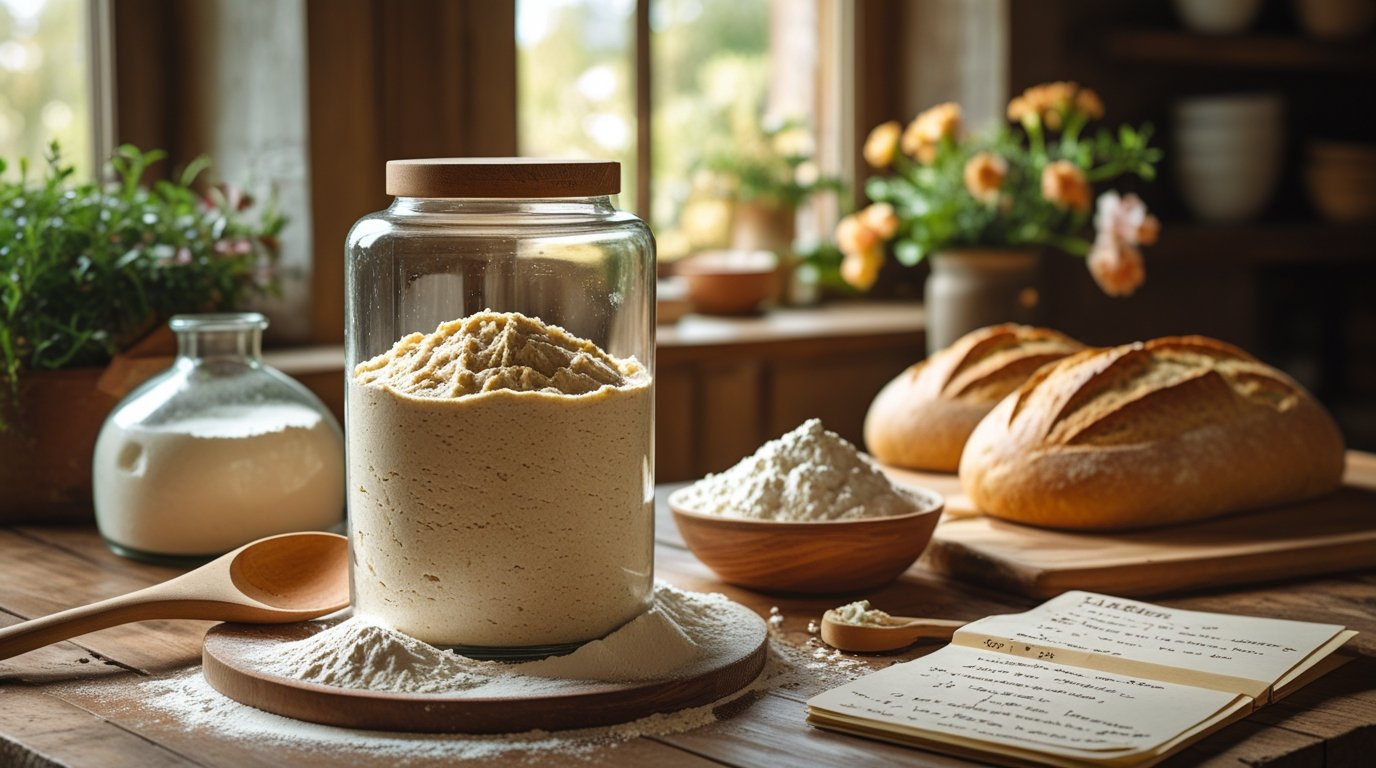
If you’ve ever wondered how to make sourdough starter at home, you’re stepping into a time-tested baking tradition that dates back thousands of years. A sourdough starter is a living culture of flour and water that naturally captures wild yeast and beneficial bacteria from the environment. This simple mixture becomes the foundation for flavorful, naturally leavened bread without the need for commercial yeast. Learning how to make sourdough starter not only improves your baking skills but also connects you to a healthier, more sustainable way of preparing bread. In this guide, you’ll discover everything from the science behind fermentation to step-by-step instructions, expert tips, and troubleshooting advice.
What Is a Sourdough Starter and How Does It Work?
A sourdough starter is essentially a fermented mixture of flour and water that contains wild yeast and lactic acid bacteria. These microorganisms work together to create carbon dioxide gas, which helps bread rise, and organic acids, which give sourdough its signature tangy flavor. When learning how to make sourdough starter, it’s important to understand that this process relies on natural fermentation rather than added yeast. Over time, the microbial community strengthens, making the starter more active and reliable. This natural leavening method also enhances digestibility and nutrient absorption in bread.
Benefits of Making Your Own Sourdough Starter
One of the main reasons people search for how to make sourdough starter is the health and flavor benefits it offers. Homemade sourdough is easier to digest because fermentation breaks down gluten and phytic acid. It also has a lower glycemic index compared to regular bread, making it a healthier choice. Additionally, creating your own starter saves money and reduces dependency on store-bought yeast. The flavor complexity you achieve is unmatched, with subtle sour notes and rich aromas that elevate any baked product. Beyond that, maintaining a starter can be a rewarding and even therapeutic routine.
Ingredients Needed to Make Sourdough Starter
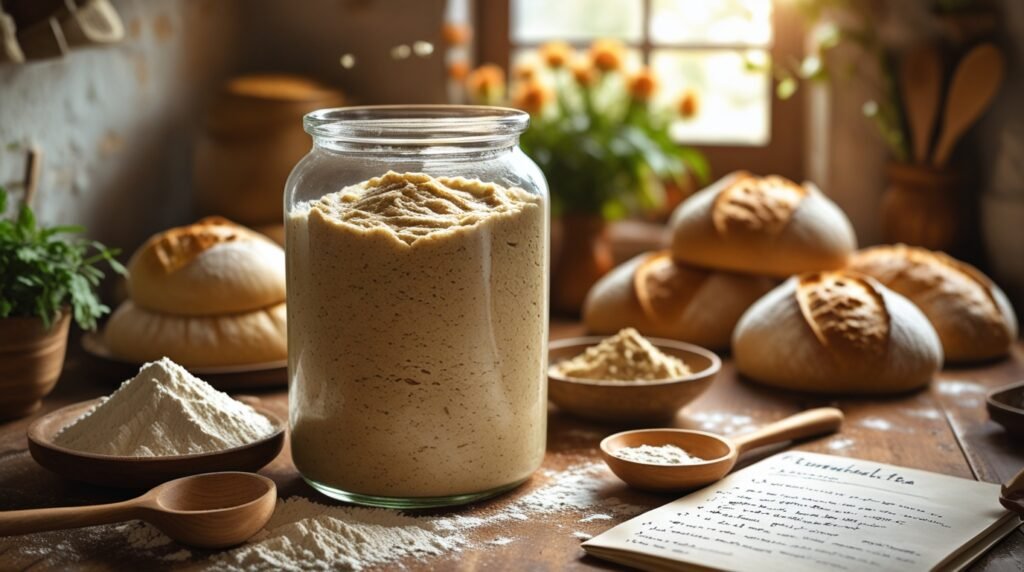
To begin learning how to make sourdough starter, you only need two simple ingredients: flour and water. However, the type of flour you choose can significantly impact the outcome. Whole wheat or rye flour is often recommended for beginners because it contains more nutrients and natural microorganisms. Filtered or dechlorinated water is ideal, as chlorine can inhibit microbial growth. Using clean equipment and maintaining proper hygiene is also crucial to ensure your starter develops correctly without contamination.
Step-by-Step Process: How to Make Sourdough Starter from Scratch
Day 1: Mixing the Base
Stir until you achieve a thick, smooth consistency similar to pancake batter. Cover the jar loosely to allow airflow while preventing contaminants. Place it in a warm spot, ideally between 21–26°C, to encourage fermentation. At this stage, the mixture may appear inactive, but microbial activity has already begun.
Day 2–3: Early Fermentation Signs
As you continue learning how to make sourdough starter, you may notice small bubbles forming and a slightly sour smell. This indicates that fermentation is underway. Discard half of the mixture and feed it with fresh flour and water. This feeding process provides nutrients for the growing microorganisms and helps maintain balance in the culture.
Day 4–5: Strengthening the Starter
By this stage, your starter should show more consistent bubbling and a stronger aroma. Continue the daily feeding routine, discarding half before each feeding. The texture may become lighter and more elastic, signaling increased yeast activity. Patience is key when mastering how to make sourdough starter, as each environment can influence the timeline.
Day 6–7: Ready for Baking
Around day 6 or 7, your starter should double in size within 4–6 hours after feeding. This is a sign that it’s strong enough to leaven bread. Perform the float test by dropping a small amount of starter into water; if it floats, it’s ready to use. At this point, you’ve successfully learned how to make sourdough starter and can begin baking.
Understanding the Science Behind Sourdough Fermentation
The process of learning how to make sourdough starter involves understanding fermentation. Wild yeast consumes sugars in the flour and produces carbon dioxide, while lactic acid bacteria produce acids that give sourdough its flavor. This symbiotic relationship creates a stable ecosystem that can be maintained indefinitely. Temperature, hydration, and feeding frequency all influence microbial activity and the overall performance of your starter.
Common Mistakes to Avoid When Making Sourdough Starter
Many beginners struggle when learning how to make sourdough starter due to common mistakes. Using chlorinated water can slow down fermentation, while inconsistent feeding can weaken the culture. Another mistake is expecting instant results; sourdough requires patience and observation. Overfeeding or underfeeding can disrupt the balance of microorganisms, leading to poor performance. Keeping a consistent routine and monitoring changes in smell, texture, and activity will help you succeed.
Tips to Maintain a Healthy Sourdough Starter
Once you’ve mastered how to make sourdough starter, maintaining it becomes essential. Store your starter at room temperature if you bake frequently, feeding it daily. If you bake less often, refrigerate it and feed it once a week. Always use clean utensils and containers to prevent contamination. Adjust feeding ratios based on activity levels, and keep track of changes to understand your starter better. A healthy starter should have a pleasant sour smell and consistent bubbling.
How to Use Your Sourdough Starter in Baking
Baking Bread
The most popular use for a starter is baking sourdough bread. Replace commercial yeast with an active starter to achieve a natural rise and complex flavor. Timing and fermentation play a crucial role in achieving the perfect loaf.
Making Pancakes and Waffles
Another way to use your starter is in breakfast recipes. Sourdough pancakes and waffles have a unique tang and fluffy texture that sets them apart from traditional versions.
Creating Pizza Dough
Sourdough pizza dough offers a chewy crust with enhanced flavor. The natural fermentation process improves texture and digestibility, making it a favorite among home bakers.
Troubleshooting Sourdough Starter Problems
Starter Not Bubbling
If your starter shows no activity, it may be too cold or lacking nutrients. Move it to a warmer location and ensure regular feeding.
Unpleasant Odor
A foul smell can indicate imbalance or contamination. Discard most of the starter and refresh it with clean flour and water.
Mold Formation
If you notice mold, it’s best to discard the starter and start fresh. Cleanliness is crucial when learning how to make sourdough starter.
Advanced Techniques for Better Results
As you gain confidence in how to make sourdough starter, you can experiment with advanced techniques. Adjust hydration levels to influence texture and flavor. Use different types of flour to create unique profiles. Incorporate autolyse and bulk fermentation methods to improve bread structure. Keeping a baking journal can help you refine your process and achieve consistent results.
Nutritional Advantages of Sourdough
Sourdough bread made from a natural starter offers several nutritional benefits. The fermentation process increases the availability of vitamins and minerals, making them easier for the body to absorb. It also reduces gluten content, which may be beneficial for those with mild sensitivities. Additionally, the presence of beneficial bacteria supports gut health, making sourdough a wholesome choice.
Why Patience Is Key in Sourdough Baking
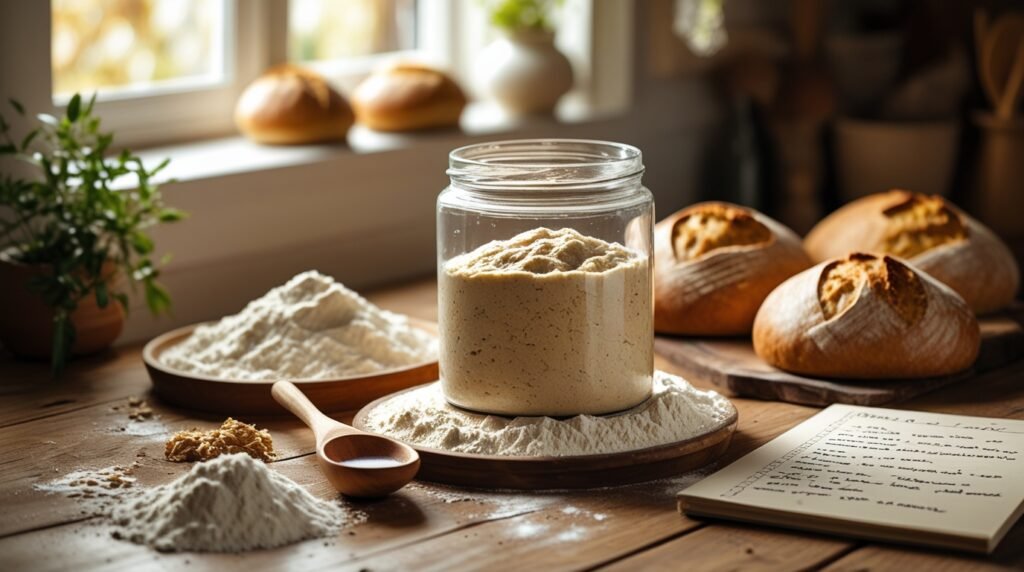
Learning how to make sourdough starter teaches patience and discipline. Unlike instant yeast, sourdough relies on natural processes that cannot be rushed. Each step, from feeding to fermentation, requires attention and care. The reward is a flavorful, artisanal product that reflects your effort and dedication.
Conclusion: Mastering How to Make Sourdough Starter
Understanding how to make sourdough starter is a valuable skill that opens the door to healthier and more flavorful baking. By following the steps outlined in this guide, you can create a robust starter that lasts for years. The process may require patience, but the results are worth it. From improved nutrition to enhanced taste, sourdough offers benefits that go beyond ordinary bread. With consistent practice and attention to detail, you’ll gain confidence and mastery in sourdough baking.
FAQs About How to Make Sourdough Starter
Can I use any type of flour?
Yes, but whole wheat or rye flour is recommended for beginners due to higher nutrient content.
What should a healthy starter smell like?
A healthy starter should have a mild, tangy aroma, similar to yogurt or sour fruit.
Can I revive a neglected starter?
Yes, with consistent feeding and proper care, most starters can be revived even after being inactive for some time.