








If you’ve ever taken a sip of your morning brew and noticed a bitter, sour, or stale taste, you might have wondered, how do I clean a coffee machine the right way? A dirty machine doesn’t just affect flavor—it can harbor bacteria, mold, and mineral buildup that shorten the life of your appliance. Whether you use a drip brewer, espresso machine, or single-serve pod system, regular maintenance is essential for taste, safety, and performance. In this in-depth guide, you’ll learn exactly how do I clean a coffee machine using proven methods that align with manufacturer recommendations and hygiene best practices. By the end, you’ll have a step-by-step cleaning system you can confidently follow at home.
Why Cleaning Your Coffee Machine Matters More Than You Think
If you’re asking yourself, how do I clean a coffee machine, you’re already on the right path. According to studies by organizations like the National Sanitation Foundation, kitchen appliances that handle moisture are among the most germ-prone areas in homes. Coffee makers provide warmth and moisture—ideal conditions for bacteria and yeast growth. Over time, coffee oils, mineral deposits (limescale), and residue build up inside water reservoirs and internal tubes. This buildup can affect water flow, brewing temperature, and ultimately flavor quality.
When people search how do I clean a coffee machine, they’re usually reacting to taste problems or visible residue. However, preventive cleaning is far more effective than waiting for issues to arise. Regular maintenance improves extraction consistency, protects heating elements, and prevents clogs in small internal valves. Clean machines also maintain stable brewing temperatures, which is crucial for proper coffee extraction between 195°F and 205°F.
Understanding What Builds Up Inside a Coffee Machine
Before diving deeper into how do I clean a coffee machine, it’s important to understand what you’re removing. The first culprit is coffee oil residue. Coffee beans naturally contain oils that stick to internal parts and become rancid over time. These oils are responsible for that unpleasant burnt aftertaste in neglected machines. The second issue is limescale buildup, especially in areas with hard water. Calcium and magnesium deposits accumulate in heating chambers and pipes, reducing efficiency and potentially causing mechanical failure.
People often type how do I clean a coffee machine because they notice slower brewing or strange noises. Those symptoms often point to scale accumulation. Descaling is different from regular cleaning and requires acidic solutions to dissolve mineral deposits. Without descaling, internal heating elements must work harder, increasing electricity consumption and reducing lifespan.
How Do I Clean a Coffee Machine: Daily Cleaning Basics
If you’re wondering how do I clean a coffee machine on a daily basis, the answer is simpler than you think. After each brew, discard used coffee grounds or pods immediately. Rinse the carafe, brew basket, and removable filter with warm water and mild dish soap. Wipe down the exterior and warming plate to remove splashes.
This quick routine prevents oils from hardening and eliminates early-stage residue. When users repeatedly ask how do I clean a coffee machine, they often overlook these simple habits. Daily maintenance reduces the need for deep cleaning and keeps flavors fresh from cup to cup.
Weekly Deep Cleaning for Drip Coffee Makers
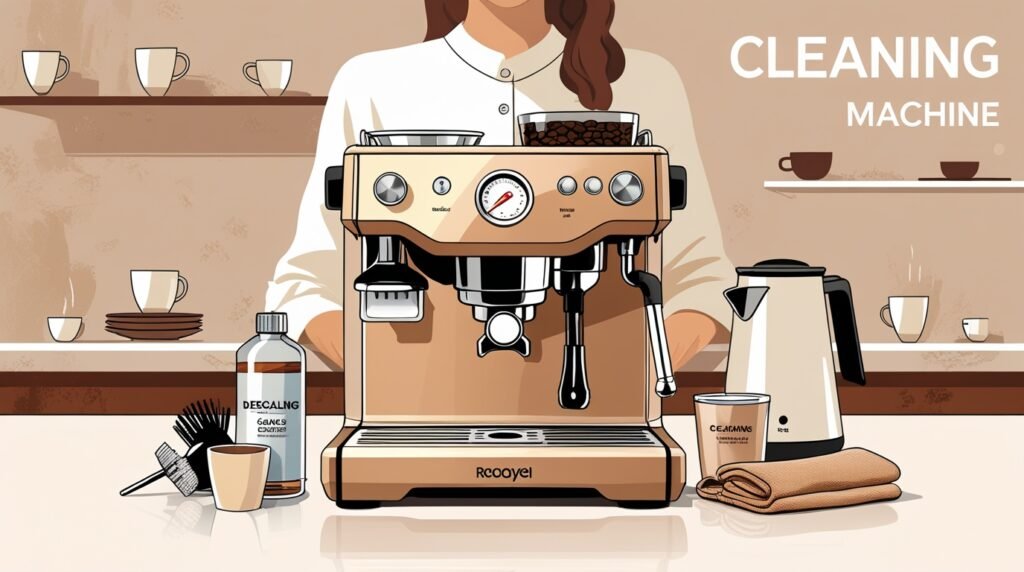
Many homeowners eventually ask, how do I clean a coffee machine more thoroughly? For drip machines, a weekly deep clean is recommended if used daily. Start by filling the reservoir with equal parts white vinegar and water. Run a full brewing cycle without coffee grounds. Pause halfway through and let the solution sit for 30 minutes to dissolve scale and oils. Resume the cycle and discard the solution.
Afterward, run two to three cycles of clean water to flush out any vinegar residue. If you’re researching how do I clean a coffee machine without vinegar, commercial descaling solutions approved by manufacturers are excellent alternatives. These products are specifically formulated to break down limescale while protecting internal components.
How Do I Clean a Coffee Machine Without Vinegar
Some users dislike vinegar odor and ask, how do I clean a coffee machine using other methods? Citric acid powder mixed with warm water is a popular alternative. It effectively dissolves mineral deposits and leaves less lingering smell. Another option is a manufacturer-recommended descaling liquid. Always follow dilution instructions to avoid damaging seals or heating elements.
If you’re still unsure how do I clean a coffee machine safely, consult your appliance manual. Certain high-end machines warn against vinegar due to rubber gasket sensitivity. Using the correct solution ensures longevity and warranty compliance.
Cleaning Espresso Machines Properly
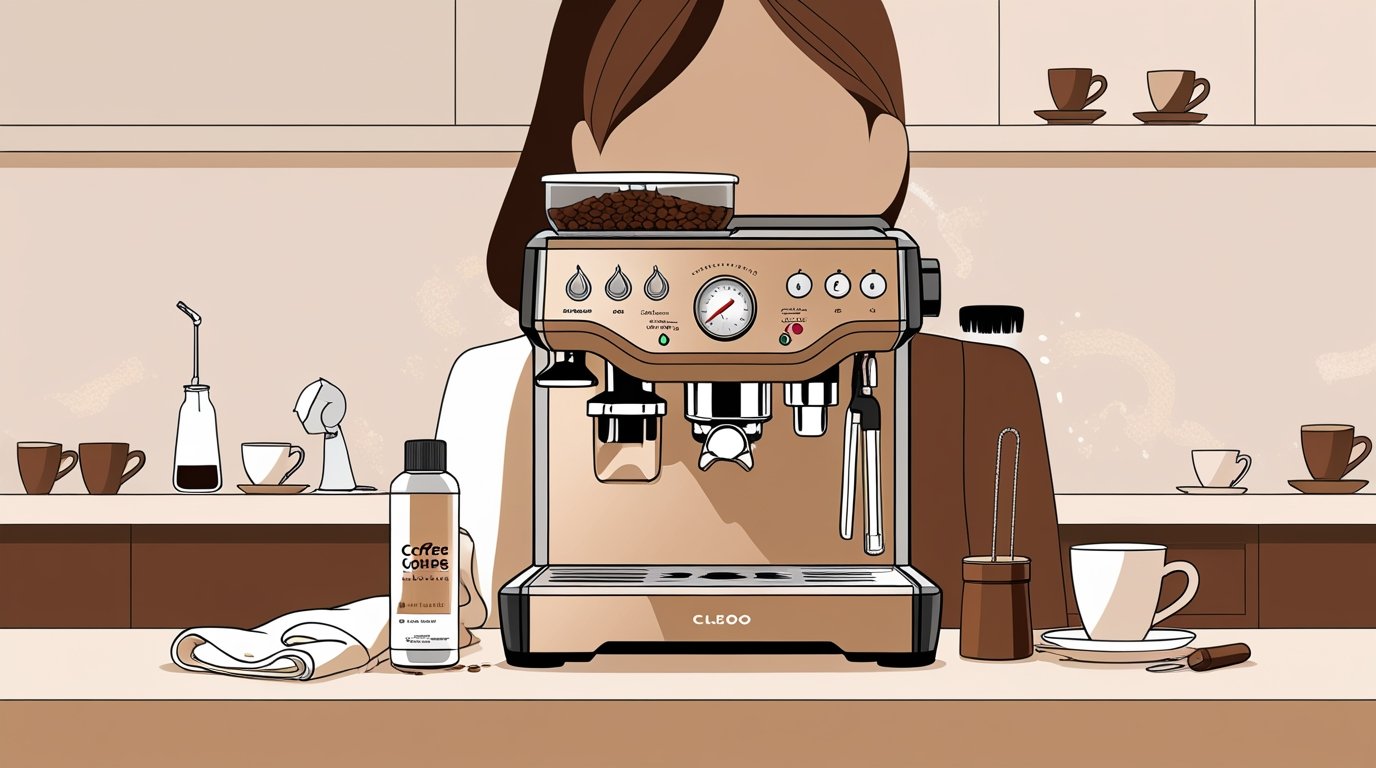
Espresso machine owners frequently search how do I clean a coffee machine because espresso systems are more complex. These machines require daily wiping of the steam wand, flushing of the group head, and removal of spent grounds from the portafilter. Weekly backflushing with an espresso machine cleaning tablet is crucial for removing trapped coffee oils inside the brew group.
When someone asks how do I clean a coffee machine for espresso, the answer includes descaling every one to three months depending on water hardness. Scale can block narrow internal passages, leading to inconsistent pressure and weak shots. Proper maintenance protects both flavor quality and expensive mechanical components.
Cleaning Single-Serve Pod Machines
Single-serve users also wonder, how do I clean a coffee machine that uses pods? Start by removing and washing the drip tray and water reservoir weekly. For descaling, use a manufacturer-approved solution and run a brew cycle without a pod inserted. Repeat with fresh water to rinse thoroughly.
Many pod machine owners ignore internal needle cleaning. When asking how do I clean a coffee machine thoroughly, remember to check the puncture needle for coffee debris. Clogs can affect brewing pressure and taste.
Descaling: The Most Overlooked Step
If you’ve ever searched how do I clean a coffee machine and still experience poor performance, descaling might be the missing step. In hard water areas, scale can build up within one to three months. Signs include slow brewing, unusual sounds, and reduced temperature.
To descale, use either diluted vinegar or a commercial descaler. Run the solution through the machine, allow it to sit, then flush with clean water cycles. Regular descaling restores heating efficiency and reduces energy consumption by up to 30% in heavily scaled appliances.
How Often Should You Clean Your Coffee Machine?
When asking how do I clean a coffee machine, frequency matters. Daily rinsing prevents oil buildup. Weekly deep cleaning removes residue. Monthly descaling is ideal in hard water areas. Espresso machines may require more frequent maintenance due to pressure systems.
Experts recommend tracking cleaning schedules on a calendar. If you brew multiple pots daily, you may need more frequent maintenance. Listening to your machine’s performance cues can also signal when cleaning is overdue.
Common Mistakes to Avoid
Many people ask how do I clean a coffee machine but accidentally cause damage. Avoid using harsh chemical cleaners not designed for food appliances. Never submerge electrical bases in water. Avoid abrasive scrubbers that scratch non-stick coatings.
Another mistake when learning how do I clean a coffee machine is neglecting hidden areas like water tanks and internal tubing. Cleaning only visible parts won’t eliminate internal scale or bacteria.
Natural vs Commercial Cleaning Solutions
Consumers researching how do I clean a coffee machine often compare natural solutions like vinegar and baking soda to commercial products. Vinegar is inexpensive and effective but may leave odor. Baking soda helps deodorize but doesn’t dissolve mineral scale effectively. Commercial descalers are engineered for efficiency and safety.
If you’re unsure how do I clean a coffee machine without affecting taste, commercial options may offer more consistent results. Always rinse thoroughly regardless of method used.
Signs Your Coffee Machine Needs Immediate Cleaning
If you’re repeatedly thinking, how do I clean a coffee machine, your appliance may already be overdue. Warning signs include bitter or metallic taste, slow drip rate, unusual noises, and visible white scale. Mold smell from the reservoir is a serious hygiene issue requiring immediate cleaning.
Ignoring these signals can shorten the life of your appliance significantly. Addressing them promptly ensures consistent flavor and safe brewing conditions.
Professional Maintenance vs DIY Cleaning
Occasionally users ask how do I clean a coffee machine when basic cleaning isn’t enough. High-end espresso machines may benefit from professional servicing once a year. Technicians can inspect internal seals, pressure systems, and heating elements.
For most home users, however, learning how do I clean a coffee machine properly eliminates the need for professional repairs. Consistent preventive care reduces breakdown risk and preserves taste quality.
Eco-Friendly Cleaning Practices
Environmentally conscious users researching how do I clean a coffee machine can choose biodegradable descalers and reusable filters. Reducing disposable pod usage also lowers waste. Proper maintenance extends machine lifespan, reducing landfill contributions.
Using filtered water can slow mineral buildup and reduce descaling frequency. This simple step significantly impacts long-term sustainability and cost savings.
Step-by-Step Universal Cleaning Checklist
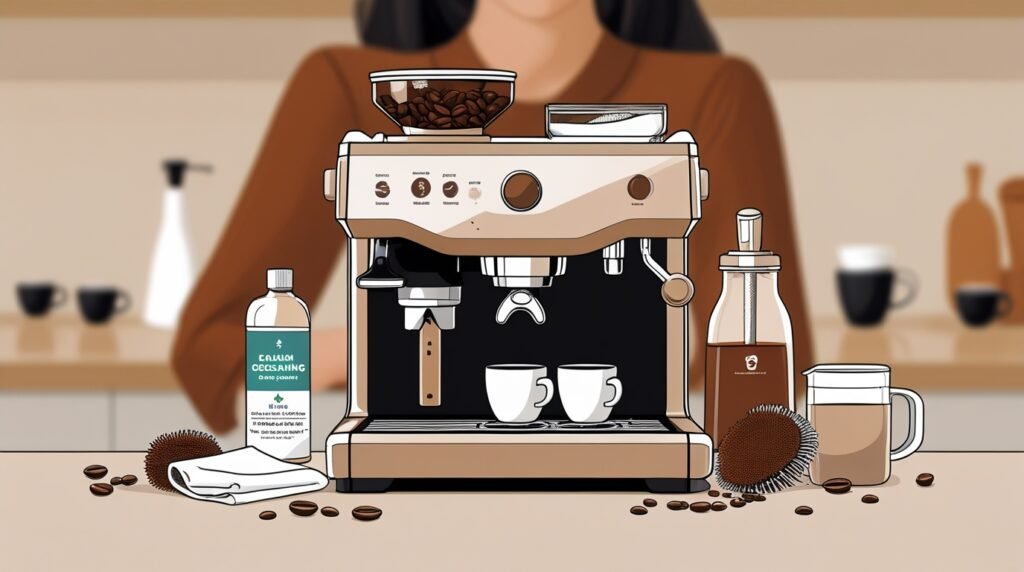
If you’re still asking how do I clean a coffee machine in a simple way, follow this checklist. Empty grounds and rinse removable parts daily. Wipe exterior surfaces. Deep clean weekly using vinegar or approved solution. Descale monthly. Flush thoroughly with clean water. Air dry all parts completely before reassembly.
Consistency is key when mastering how do I clean a coffee machine effectively. Regular maintenance ensures every cup tastes fresh and balanced.
Conclusion: Keep Your Coffee Fresh and Your Machine Healthy
Understanding how do I clean a coffee machine is essential for anyone who values flavor, hygiene, and appliance longevity. Coffee machines accumulate oils, bacteria, and mineral deposits that affect taste and performance. Daily rinsing, weekly deep cleaning, and monthly descaling form a reliable maintenance routine. By following manufacturer guidelines and using safe cleaning solutions, you protect both your health and your investment. A clean coffee machine consistently delivers rich aroma, balanced flavor, and optimal brewing temperature. The next time you enjoy your morning cup, you’ll know it tastes better because your machine is properly maintained.
FAQs
How often should I descale my coffee machine?
Most households should descale every one to three months depending on water hardness and usage frequency.
Can I use vinegar to clean any coffee machine?
Vinegar works for many drip machines but may not be recommended for some espresso or high-end models. Always check your manual.
Is baking soda good for descaling?
Baking soda helps deodorize but does not effectively remove mineral scale.
What happens if I never clean my coffee machine?
Neglecting cleaning can lead to bacteria growth, poor taste, clogs, overheating, and eventual mechanical failure.