








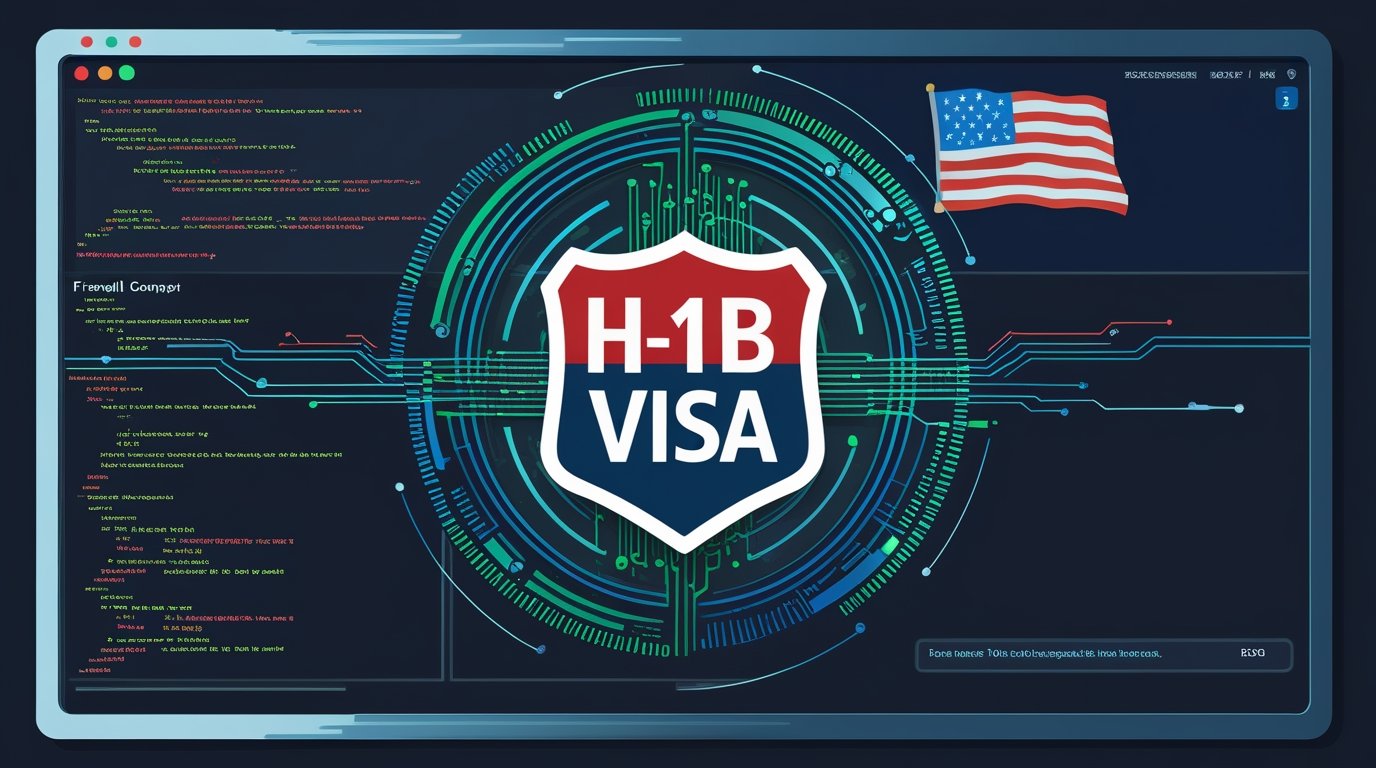
In today’s interconnected world, securing sensitive data and managing projects efficiently has become paramount. This is especially true for organizations that engage in H-1B visa projects, which often involve international workers, high-level technical projects, and sensitive information. A key element of maintaining cybersecurity and ensuring smooth project execution is implementing a robust H-1B visa project firewall. Firewalls are crucial tools in protecting digital infrastructure, ensuring that networks remain secure from unauthorized access, data breaches, and cyberattacks. In this article, we will explore the critical role that firewalls play in H-1B visa project firewall, explain their importance in managing sensitive information, and provide a comprehensive guide on how to set up and maintain firewalls in such projects.
What is the H-1B Visa Program?
Before diving into the specifics of H-1B Visa Project Firewall in the context of H-1B visa projects, it’s important to first understand the H-1B visa program itself. The H-1B Visa Project Firewall is a non-immigrant visa that allows U.S. companies to employ foreign workers in specialty occupations that require technical expertise. Typically, H-1B visa holders work in fields such as information technology, engineering, healthcare, and finance, among others. These employees bring valuable skills and contribute to the global competitiveness of U.S. companies.
However, as H-1B projects often involve high levels of collaboration across borders and require the handling of sensitive data, ensuring the security of these projects is of utmost importance. This is where a well-designed H-1B visa project firewall comes into play.
The Role of Firewalls in H-1B Visa Projects
In any IT-related project, particularly those involving international talent like H-1B visa workers, cybersecurity is a critical consideration. H-1B Visa Project Firewall serve as the first line of defense against potential cyber threats, such as hackers, malware, and unauthorized access to systems. A project firewall specifically designed for H-1B visa projects protects data and communications between project stakeholders, including employees, clients, and partners.
A well-configured H-1B visa project firewall ensures that only authorized users can access the sensitive information and tools required for the project, while also monitoring and controlling the data flow within and outside the network. This is particularly important in H-1B visa projects because these projects often deal with proprietary software, confidential business strategies, and classified data that could be at risk from external threats.
Types of Firewalls Used in H-1B Visa Projects
There are several types of firewalls that companies use to safeguard their H-1B visa project firewalls. Each type of firewall serves a specific purpose depending on the project requirements, the volume of data being handled, and the complexity of the IT infrastructure.
1. Network Firewalls
Network firewalls are the most common type of firewall, and they operate at the network level to monitor and control incoming and outgoing traffic based on predefined security rules. These firewalls are essential for protecting H-1B Visa Project Firewall that rely on extensive network communication.
By filtering traffic and blocking unauthorized access, network firewalls help ensure that only approved devices and users can access sensitive systems and data. This type of firewall is especially useful in large-scale projects where the data is spread across multiple networks and remote users are involved, as is often the case in H-1B Visa Project Firewall.
2. Application Firewalls
Application firewalls are designed to protect specific applications and services by filtering the incoming data before it reaches the application. This type of firewall is particularly useful in situations where H-1B visa projects involve applications with high security demands, such as financial systems, customer databases, or proprietary software platforms.
Application firewalls offer more granular control compared to network firewalls, allowing organizations to prevent specific types of attacks, such as SQL injections, cross-site scripting (XSS), or other application-specific vulnerabilities.
3. Next-Generation Firewalls (NGFW)
Next-generation firewalls go beyond traditional firewalls by combining multiple security features in one solution, such as intrusion prevention, deep packet inspection, and malware protection. NGFWs are ideal for H-1B visa projects that require a high level of security due to the sensitive nature of the data involved.
With a next-gen firewall in place, organizations can ensure that all forms of traffic—whether they are web requests, application traffic, or email communications—are thoroughly scanned for potential threats. This type of firewall also provides real-time threat intelligence, which is crucial in today’s rapidly evolving cybersecurity landscape.
Benefits of Implementing a Firewall in H-1B Visa Projects
Implementing a firewall in an H-1B visa project firewall comes with a range of benefits that contribute to both project success and the safety of sensitive data.
1. Enhanced Data Security
One of the primary reasons to implement a firewall in an H-1B visa project firewall is to enhance data security. Given that these projects often involve sharing proprietary or confidential information, protecting that data from unauthorized access or malicious actors is a top priority. Firewalls serve as gatekeepers, preventing unwanted external traffic from entering the network and causing harm.
For example, if an H-1B visa project firewall involves sensitive client information or trade secrets, a well-configured firewall ensures that this data is only accessible to authorized personnel, preventing potential leaks or cyber-attacks.
2. Compliance with Legal and Regulatory Requirements
H-1B visa projects often fall under various compliance requirements based on the nature of the work being done and the data being handled. Industries such as healthcare, finance, and technology often have strict data protection regulations, such as HIPAA, GDPR, or PCI DSS, which mandate specific measures for safeguarding data.
Implementing a firewall ensures that the project infrastructure complies with these legal requirements, minimizing the risk of data breaches and ensuring the company avoids hefty fines or legal repercussions.
3. Remote Work Security
Many H-1B visa projects involve workers located outside of the U.S., meaning that remote work is common. As remote workers access company systems from various geographic locations and devices, firewalls play a critical role in securing these connections. With proper firewall protection, the risk of remote work-related security vulnerabilities can be minimized, ensuring that all communications remain secure and within the confines of the organization’s network.
4. Preventing Cyber Threats
H-1B visa projects, like any digital projects, are vulnerable to cyber threats such as phishing, malware, and ransomware attacks. Firewalls protect against these threats by actively filtering malicious traffic and blocking suspicious IP addresses or devices. This proactive approach to security ensures that even as cyber threats evolve, the organization’s systems remain protected.
How to Set Up an H-1B Visa Project Firewall
Setting up a firewall for an H-1B visa project firewall requires careful planning and implementation to ensure that it addresses the unique needs of the project while providing the highest level of security. Here are the key steps to follow:
1. Identify the Project’s Security Requirements
Before setting up the firewall, it is crucial to understand the security needs of the H-1B visa project firewall. This includes identifying the type of data being handled, the number of remote users, and the applications or systems that need to be secured.
2. Choose the Right Type of Firewall
Once the security needs are identified, select the appropriate type of firewall based on the project’s requirements. If the project involves extensive network communication, a network firewall might be necessary. For projects involving sensitive applications or data, an application firewall or NGFW may be more appropriate.
3. Configure Firewall Rules
Properly configuring the firewall rules is critical to ensuring that the H-1B visa project firewall effectively protects the project’s data. This involves setting up rules that define which types of traffic are allowed and which are blocked. It is essential to create granular rules that address the specific needs of the project while minimizing unnecessary restrictions.
4. Monitor and Update the Firewall Regularly
Firewalls need to be constantly monitored to ensure they are functioning properly and effectively blocking potential threats. Regular updates to the firewall software and rule set are also necessary to keep up with the evolving threat landscape.
Firewall Best Practices for H-1B Visa Projects
To maximize the effectiveness of firewalls in H-1B visa projects, consider the following best practices:
- Implement a Layered Security Approach: Firewalls should be just one part of a comprehensive security strategy that includes encryption, access controls, and employee training.
- Regularly Audit the Firewall Configuration: Periodically review the firewall settings and configurations to ensure they are still aligned with the project’s security goals.
- Use a VPN for Remote Access: For H-1B visa projects with remote workers, consider using a Virtual Private Network (VPN) in conjunction with the firewall for secure access to the network.
- Train Team Members on Security Protocols: Educate employees, especially remote H-1B visa workers, about best security practices, including password management and identifying phishing attempts.
Conclusion
In conclusion, firewalls play an indispensable role in securing H-1B visa projects, ensuring that sensitive data is protected from cyber threats, unauthorized access, and compliance violations. By carefully selecting the appropriate type of firewall, configuring it correctly, and regularly maintaining it, organizations can effectively safeguard their project infrastructure. As H-1B visa projects continue to become more complex and globalized, implementing robust cybersecurity measures like firewalls is essential for maintaining the integrity and success of these projects.
Frequently Asked Questions (FAQs)
1. What is an H-1B visa project?
An H-1B visa project involves a U.S.-based company employing foreign workers with specialized skills in fields like IT, engineering, and finance through the H-1B visa program.
2. How does a firewall protect H-1B visa projects?
A firewall protects H-1B visa projects by filtering incoming and outgoing traffic, blocking unauthorized access, and preventing cyber threats like malware and hackers.
3. What are the different types of firewalls used in H-1B visa projects?
Network firewalls, application firewalls, and next-generation firewalls (NGFW) are commonly used to protect H-1B visa projects.
4. Can remote workers access H-1B visa projects securely?
Yes, firewalls combined with VPNs and other security measures ensure that remote workers can access H-1B visa projects securely from anywhere in the world.
5. How often should a firewall be updated for an H-1B visa project?
Firewalls should be updated regularly to keep up with new threats and vulnerabilities, ensuring that the H-1B visa project remains secure.