









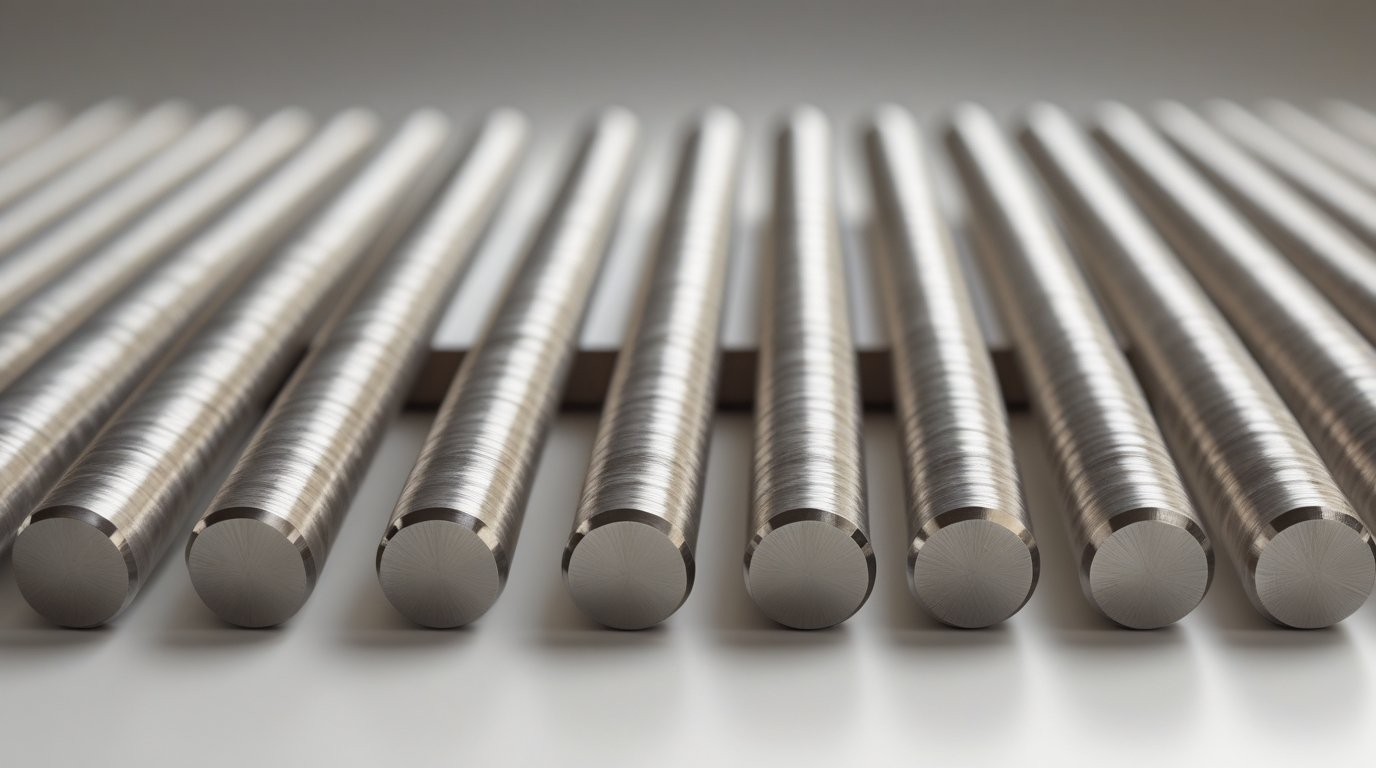
Dowel pins are small yet essential components in the world of mechanical engineering, carpentry, and manufacturing. These simple cylindrical rods are used to create strong and precise connections between two pieces, ensuring alignment, strength, and durability in various applications. Whether you’re working on furniture, machinery, or intricate mechanical assemblies, dowel pins play a pivotal role in maintaining structural integrity. In this comprehensive guide, we’ll explore everything you need to know about dowel pins, including their types, uses, applications, and how to choose the right dowel pin for your project.
What Are Dowel Pins?
Dowel pins are cylindrical rods, typically made of metal, wood, or plastic, used to align and join two components together. They are commonly used in applications where precision, strength, and alignment are critical. Dowel pins are usually inserted into corresponding holes in both parts, creating a secure connection that resists rotational forces and maintains the correct positioning of the components. These pins are often used in furniture making, woodworking, machinery, and automotive industries. Despite their simple design, dowel pins offer a versatile and highly effective method of joining parts.
The Role of Dowel Pins in Various Industries
Dowel pins are crucial in a wide range of industries and applications. Some of the most common uses include:
- Woodworking: In furniture making and cabinetry, dowel pins are often used to align and secure wood pieces, creating strong joints without the need for screws or nails. Dowel joints are known for their clean look and robustness.
- Manufacturing and Engineering: Dowel pins are extensively used in machine assemblies, precision tools, and fixtures where accurate alignment is crucial. They help maintain the correct position of components, preventing misalignment that could affect the performance of machines.
- Automotive: In the automotive industry, dowel pins are used to align engine components, body parts, and other crucial parts during the assembly process, ensuring they fit together securely and function properly.
- Aerospace: Aerospace components often rely on dowel pins for their ability to withstand extreme conditions, providing the high level of precision needed in this critical industry.
Types of Dowel Pins
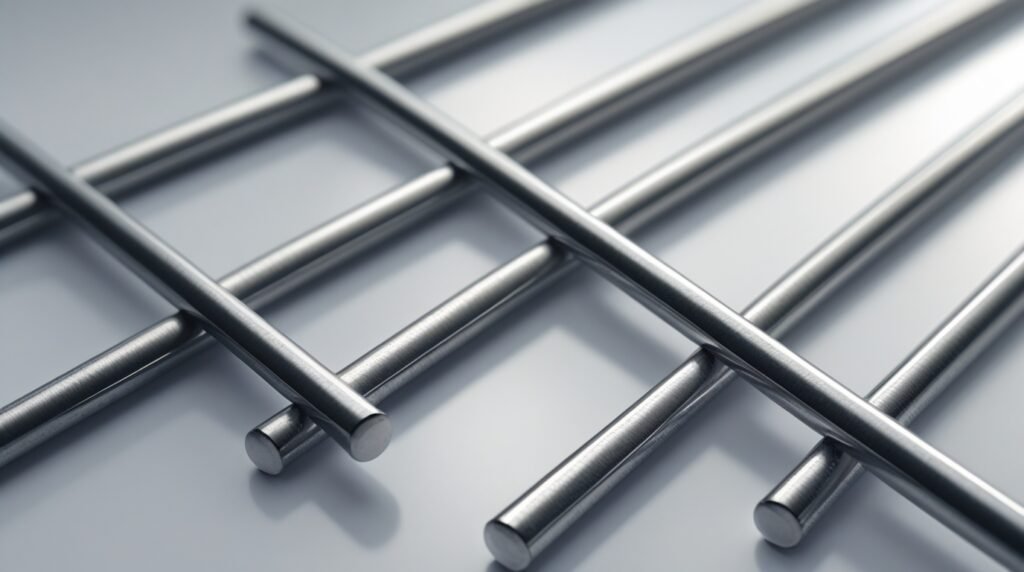
Dowel pins come in various sizes, materials, and finishes, each designed to meet specific application needs. Choosing the right type of dowel pin for a particular job depends on factors like the material being used, the load requirements, and the environmental conditions. Below are the most common types of dowel pins:
1. Solid Dowel Pins
Solid dowel pins are the most basic and widely used type. Made from solid materials such as steel, stainless steel, or carbon steel, these pins offer high strength and durability. They are commonly used in high-stress applications such as machinery and automotive parts. Solid dowel pins provide excellent resistance to shear and are suitable for applications where the pin will experience considerable forces.
2. Tapered Dowel Pins
Tapered dowel pins have a slight taper, meaning they are narrower at one end than the other. This design allows for easy insertion into a hole, creating a tight fit as the pin is driven further in. Tapered dowel pins are often used in woodworking and furniture assembly because they provide a strong joint while allowing for easier alignment. They also offer the advantage of self-locking, which can make them ideal for situations where a tight, secure fit is essential.
3. Precision Dowel Pins
Precision dowel pins are designed for applications that require high accuracy and tight tolerances. These pins are manufactured to strict dimensional specifications, ensuring that they fit precisely into their corresponding holes. Precision dowel pins are commonly used in industries such as aerospace, automotive, and machine tooling, where even the slightest misalignment can have significant consequences.
4. Slotted Dowel Pins
Slotted dowel pins have a single slot cut along their length, which allows for easier installation and removal. The slot helps to accommodate slight misalignments in the holes where the pin is inserted. Slotted dowel pins are useful in applications where adjustments may be necessary after installation, such as in furniture making or machine assembly.
5. Spring Dowel Pins
Spring dowel pins are equipped with a spring mechanism, which allows them to expand once inserted into the hole, ensuring a tight fit. These pins are ideal for applications that require a strong hold but also need to be removed or replaced easily. Spring dowel pins are often used in automotive and machinery assembly processes, where parts must be securely held in place but also need to be disassembled for maintenance or replacement.
Materials Used for Dowel Pins
Dowel pins are made from a variety of materials, each offering distinct advantages depending on the application. The most common materials for dowel pins include:
1. Steel
Steel dowel pins are widely used due to their strength and versatility. They are suitable for high-stress applications and provide excellent resistance to wear and tear. Steel dowel pins are commonly found in automotive and machinery applications, where precision and durability are crucial.
2. Stainless Steel
Stainless steel dowel pins offer superior corrosion resistance compared to regular steel. This makes them ideal for applications in environments that may be exposed to moisture or harsh chemicals. Stainless steel dowel pins are commonly used in the food, medical, and marine industries.
3. Carbon Steel
Carbon steel dowel pins are known for their affordability and strength. While not as resistant to corrosion as stainless steel, they offer a high level of durability and are used in less demanding environments, such as in some woodworking and light-duty machinery applications.
4. Plastic and Nylon
Plastic and nylon dowel pins are used in lightweight applications where strength and durability are less critical. These pins are often used in household furniture assembly, light machinery, and certain automotive parts. Plastic dowel pins are also ideal for situations where a non-metallic solution is preferred to prevent galvanic corrosion.
Applications of Dowel Pins
Dowel pins are used in a wide range of industries, from furniture making to heavy-duty machinery. Their versatility and precision make them a valuable tool in various applications. Below are some of the most common uses:
1. Woodworking and Furniture Making
In woodworking, dowel pins are used to create strong, invisible joints between wooden pieces. Dowel joints are often preferred over other types of joints, such as screws or nails, because they offer a cleaner appearance and greater stability. Whether you are building a table, chair, or cabinet, dowel pins ensure that your pieces stay securely connected.
2. Machine Assemblies
Dowel pins are often used in the assembly of machines and equipment, where they provide a precise and secure connection between parts. For example, in automotive manufacturing, dowel pins are used to align engine components or body parts. Their ability to maintain the correct alignment of parts is critical for the proper functioning of the machinery.
3. Engine Components
In automotive and industrial applications, dowel pins are used to align engine components, such as cylinder heads and crankcases, during the assembly process. These pins ensure that the components are positioned correctly, preventing misalignment that could cause performance issues.
4. Aerospace Industry
In the aerospace industry, precision dowel pins are used to ensure the alignment of critical components that must meet strict tolerances. The reliability and durability of dowel pins are essential in applications where failure could result in catastrophic consequences.
5. Consumer Products
Dowel pins are commonly used in consumer products such as furniture, appliances, and toys. In these applications, dowels help to ensure that parts stay aligned and provide a secure connection that enhances the overall durability and usability of the product.
Choose the Right Dowel Pin for Your Project
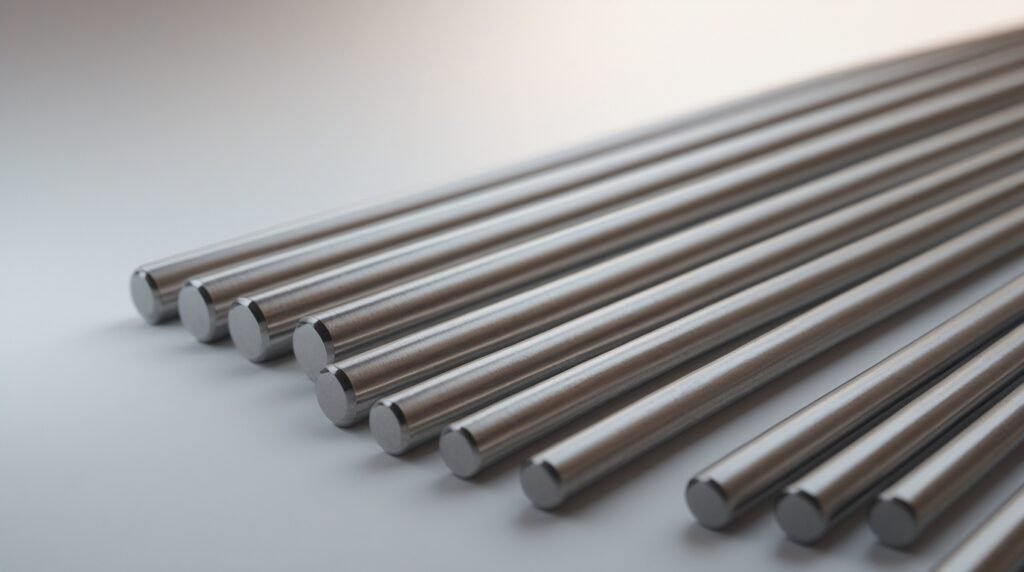
Choosing the right dowel pin for your project depends on several factors, including the material of the components being joined, the strength requirements, and the environment in which the parts will operate. Here are some important considerations when selecting a dowel pin:
1. Material Compatibility
Ensure that the material of the dowel pin is compatible with the materials of the parts being joined. For example, if you are joining metal components, choose a steel or stainless steel dowel pin for strength and durability. If you are working with wood, wooden dowel pins or plastic dowels may be more appropriate.
2. Size and Diameter
The diameter and length of the dowel pin should match the dimensions of the holes in the components. Always ensure that the dowel pin fits snugly in the holes to prevent any movement that could lead to misalignment.
3. Strength Requirements
Consider the strength requirements of your project. For heavy-duty applications, such as automotive or industrial machinery, you will need dowel pins made from high-strength materials like steel or stainless steel. For lighter applications, plastic or nylon pins may suffice.
4. Corrosion Resistance
If your application involves exposure to moisture, chemicals, or high humidity, opt for stainless steel or plastic dowel pins, as they offer better resistance to corrosion than standard steel.
Conclusion
Dowel pins are a simple yet highly effective solution for aligning and joining components in a wide variety of industries. Whether you’re working on a woodworking project, assembling machinery, or manufacturing precision parts, dowel pins offer strength, precision, and reliability. With many types and materials available, it’s important to choose the right dowel pin for your specific application to ensure optimal performance. Understanding the different types, materials, and applications of dowel pins will help you make informed decisions and achieve the best results in your projects.
FAQs
Q: What are the advantages of using dowel pins over other fasteners?
Dowel pins offer precise alignment, a clean aesthetic without visible fasteners, and excellent strength. They are ideal for applications where alignment and durability are critical.
Q: Can dowel pins be used in plastic parts?
Yes, dowel pins can be made from plastic materials such as nylon, which is commonly used in lightweight applications where metal fasteners may not be appropriate.
Q: How do I know what size dowel pin to use?
The dowel pin should match the diameter of the holes in the parts being joined. It’s important to measure both the pin and hole carefully to ensure a snug fit.