







In the rich and diverse culinary world, certain dishes stand out for their cultural significance, unique flavors, and time-honored methods of preparation. Cevurı is one such dish that has garnered attention, particularly in regions with deep culinary traditions. With a history steeped in cultural exchanges and centuries of refinement, cevurı offers an exciting exploration for food enthusiasts looking to uncover the essence of traditional dishes. In this article, we will explore the origin, preparation methods, nutritional benefits, and the cultural importance of cevurı, giving you a comprehensive understanding of this beloved dish.
What Is Cevurı?
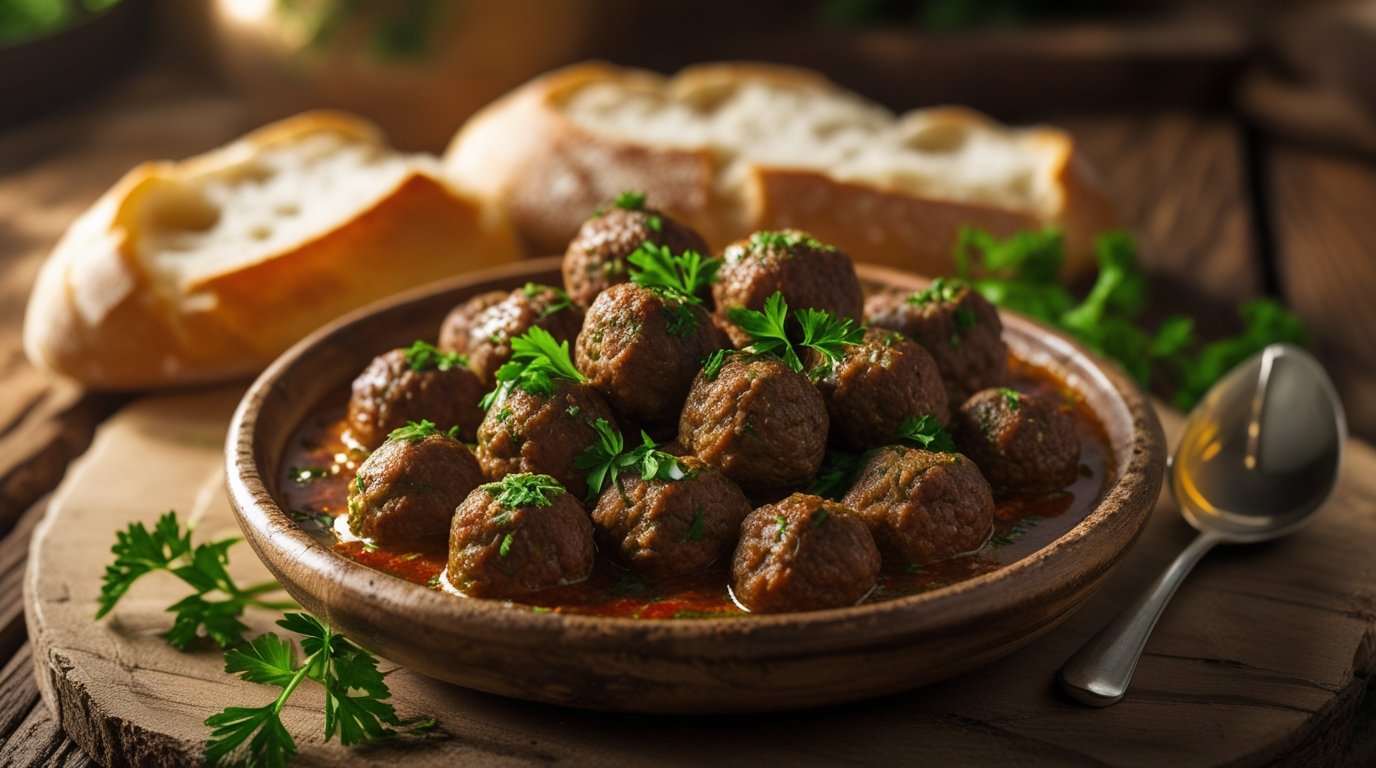
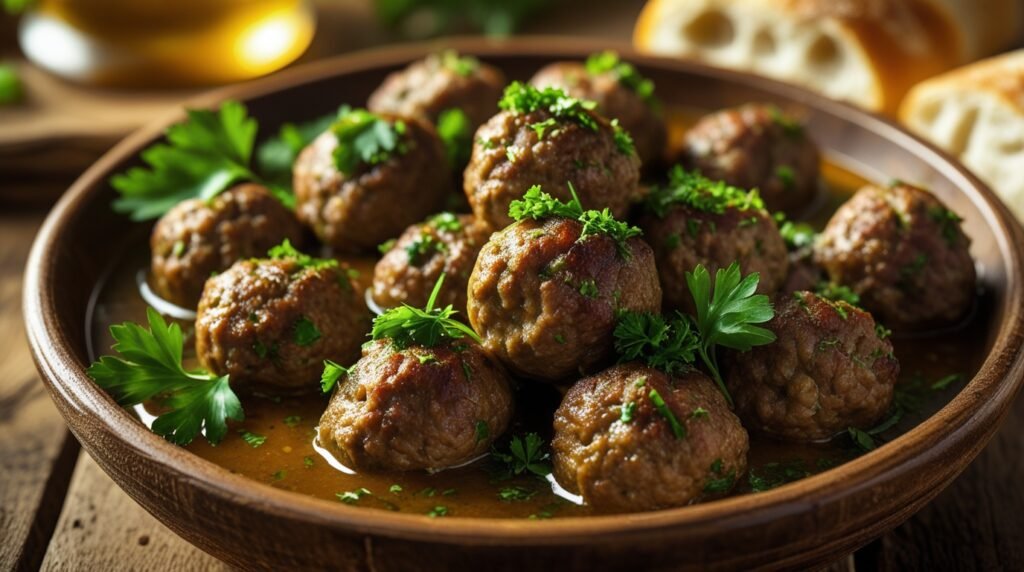
Cevurı is a traditional dish, originating from Turkey and widely enjoyed across various regions of the country. The dish features a combination of carefully selected ingredients, typically including meats like lamb, beef, or chicken, cooked to perfection with vegetables and aromatic spices. The dish is known for its rich, savory flavors and satisfying textures, making it a beloved part of Turkish cuisine.
While cevurı can vary slightly depending on the region and family traditions, it typically involves slow-cooking the meat, allowing it to become tender and infused with the flavors of its seasonings. The dish is usually served alongside rice, bread, or fresh vegetables, offering a balanced and hearty meal.
In essence, cevurı represents the simplicity and complexity of Turkish cooking—where basic ingredients are transformed into a culinary masterpiece through time-honored methods.
The History of Cevurı
Like many traditional dishes, the history of cevurı is rooted in the agricultural and pastoral traditions of Turkey. The dish is believed to have evolved from the practices of slow-cooking meat and vegetables in large communal pots, often over an open flame, a method that dates back centuries. As families and communities gathered to share meals, cevurı became a popular choice due to its ability to feed large groups while providing a rich, flavorful dish.
The name “cevurı” itself is thought to have origins in the word “cevr,” which refers to the method of cooking—slow-cooking over heat. The dish’s popularity spread throughout Turkey, adapting to regional tastes and the availability of local ingredients. Over time, cevurı became associated with special occasions, family gatherings, and celebrations, symbolizing warmth, hospitality, and tradition.
Today, cevurı remains a staple of Turkish cuisine and is commonly prepared during religious holidays, festivals, and community feasts, serving as a reminder of Turkey’s rich culinary heritage.
How to Prepare Cevurı
Preparing cevurı is an art form that requires patience and attention to detail. While the specific ingredients and techniques can vary, there are several key steps in making this flavorful dish. Below is an outline of a traditional cevurı recipe, including the necessary ingredients and step-by-step instructions.
Ingredients
To make a traditional cevurı, you will need the following ingredients:
- Meat: Lamb or beef is typically used for cevurı, though chicken can also be an option for a lighter version. The meat should be cut into bite-sized chunks to ensure even cooking.
- Vegetables: Onions, tomatoes, and bell peppers are commonly used, along with garlic for added flavor.
- Spices: A mixture of spices, including cumin, paprika, black pepper, and salt, forms the base of the dish’s seasoning. Some variations may include additional spices like coriander or cinnamon.
- Broth: Chicken or beef broth is typically added to the dish to enhance the flavor and help with slow-cooking.
- Rice or bread: Typically served as an accompaniment to absorb the rich juices from the dish.
Preparation Method
- Sauté the Meat: Heat olive oil in a large pot or pan over medium heat. This process helps develop the rich flavor that is characteristic of cevurı.
- Prepare the Vegetables: While the meat is cooking, chop the onions, tomatoes, and bell peppers into bite-sized pieces.
- Sauté the Vegetables: In the same pan, add more olive oil if necessary. Add the onions and garlic and sauté until softened. Add the tomatoes and bell peppers, and cook for a few more minutes until the vegetables are tender.
- Combine Meat and Spices: Return the browned meat to the pan with the vegetables. Add the spices (cumin, paprika, pepper, and salt) and stir well to coat the ingredients evenly.
- Add Broth: Pour in the chicken or beef broth and bring the mixture to a simmer. Reduce the heat and let it cook slowly for 45 minutes to 1 hour, or until the meat is tender and the flavors have melded together.
- Serve: Once the meat is cooked through, serve the cevurı hot, with rice or bread on the side to soak up the flavorful sauce.
The key to a great cevurı is patience—allowing the dish to slow-cook and letting the meat tenderize in the flavorful broth. The result is a rich, savory dish that is both satisfying and comforting.
Nutritional Benefits of Cevurı
cevurı is not only delicious but also packed with nutritional benefits, making it a well-rounded dish. The combination of meat, vegetables, and spices provides a balance of protein, fiber, and healthy fats. Let’s take a closer look at the key nutritional components of this dish:
1. High-Quality Protein
The meat used in cevurı, particularly lamb or beef, is an excellent source of high-quality protein. Protein is essential for muscle repair, immune function, and overall growth. It helps maintain healthy tissues and organs, making cevurı a nourishing option for those seeking a protein-packed meal.
2. Vitamins and Minerals from Vegetables
Vegetables such as tomatoes, onions, and bell peppers not only contribute to the flavor of cevurı but also provide essential vitamins and minerals. Tomatoes are rich in vitamin C and antioxidants like lycopene, which support immune health. Bell peppers are high in vitamin A and vitamin C, promoting good vision and skin health. Onions are a good source of fiber, which aids digestion and promotes a healthy gut.
3. Healthy Fats
Olive oil, which is used as the base for cooking cevurı, contains healthy monounsaturated fats that are beneficial for heart health. These fats help reduce inflammation and support overall cardiovascular health. Additionally, olive oil is rich in antioxidants, which protect the body from free radical damage.
4. Spices with Health Benefits
The spices used in cevurı—such as cumin, paprika, and black pepper—offer several health benefits. Cumin is known for its digestive properties and may help alleviate digestive discomfort. Paprika contains capsaicin, a compound that has been shown to boost metabolism and improve circulation. Black pepper has anti-inflammatory properties and aids in nutrient absorption.
Overall, cevurı is a nutrient-dense meal that offers a range of vitamins, minerals, and healthy fats, making it a well-balanced and wholesome option for those seeking a flavorful, nourishing dish.
The Cultural Significance of Cevurı
Cevurı is more than just a dish—it holds a deep cultural significance in Turkish society. As a traditional food that has been passed down through generations, it is often associated with family gatherings, celebrations, and festive occasions. Here’s a closer look at the cultural importance of cevurı:
1. Family and Community
In Turkish culture, food plays an important role in bringing people together. Preparing and sharing a dish like cevurı is often an act of bonding, with families and friends gathering to enjoy a hearty meal. The process of cooking cevurı is often a communal activity, with family members participating in the preparation and cooking of the dish.
2. Celebrations and Festivals
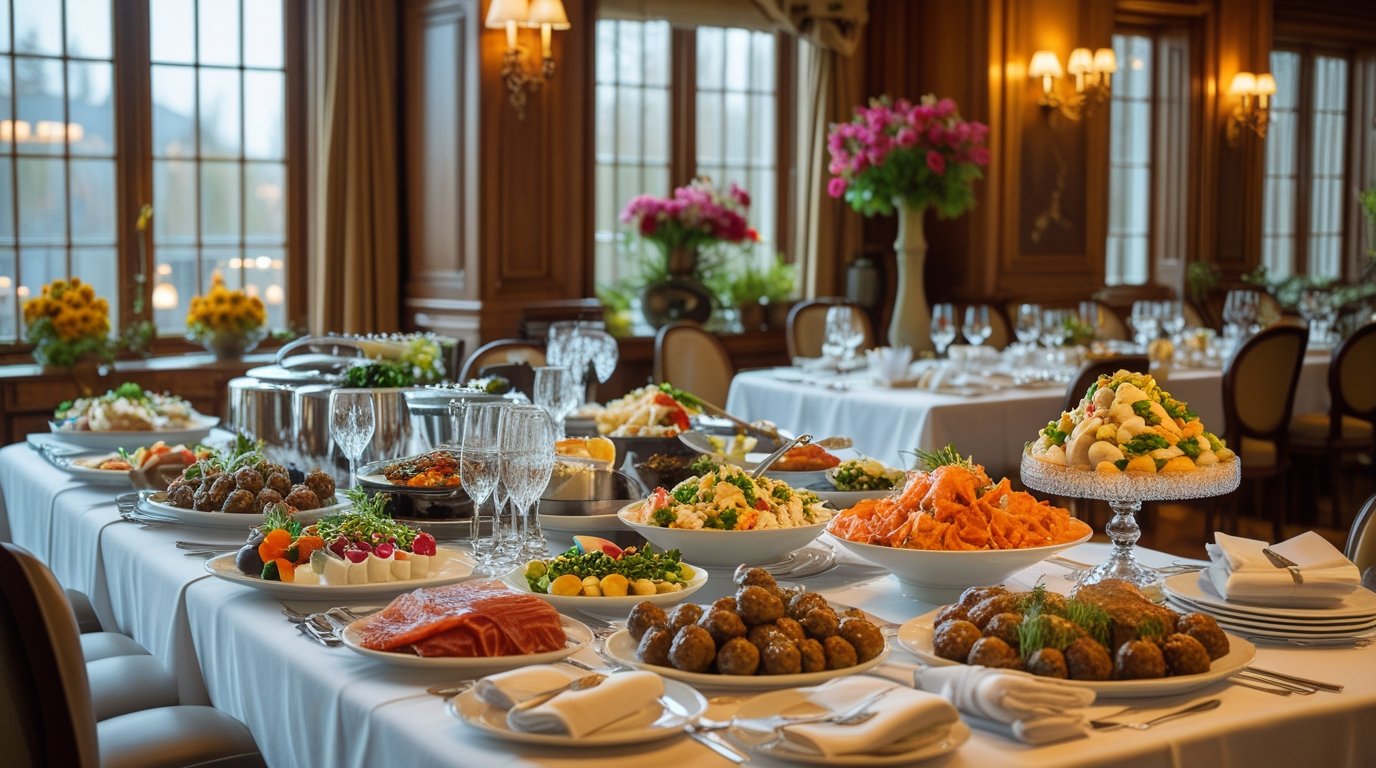
cevurı is commonly prepared during special occasions, such as religious holidays, weddings, and local festivals. The dish’s rich flavors and hearty nature make it perfect for feeding a large group of people, and it is often served during gatherings that celebrate important milestones in life.
3. Tradition and Heritage
By continuing to prepare cevurı according to traditional methods, Turkish families preserve a piece of their culinary heritage. The dish reflects the country’s agricultural roots, where seasonal ingredients and slow-cooking techniques were used to create satisfying meals. Over time, cevurı has evolved, but it remains a cherished part of Turkish culture.
Variations of Cevurı Across Regions
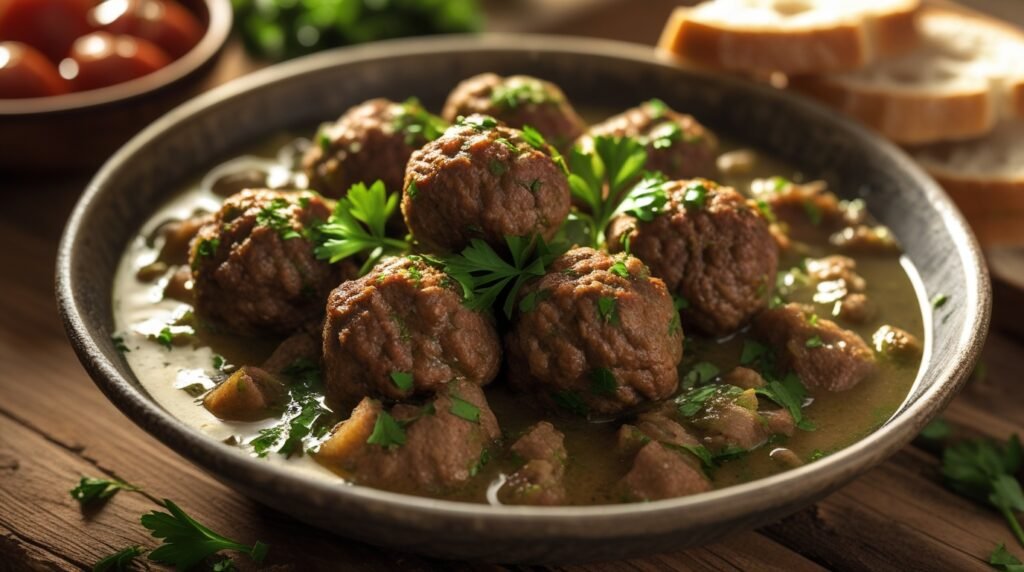
While the basic principles of cevurı remain the same, different regions in Turkey have their own unique variations of the dish. These variations are often influenced by local ingredients, climate, and culinary traditions. For example:
- Aegean Region: In the Aegean region of Turkey, cevurı might feature more olive oil and fresh herbs like rosemary and thyme, giving it a lighter and more aromatic flavor profile.
- Southeast Anatolia: In the southeastern part of Turkey, where spice usage is more prominent, cevurı might incorporate more chili peppers and cumin, creating a spicier and more robust dish.
- Black Sea Region: In the Black Sea region, the dish may include ingredients like cornbread or even cornmeal, providing a unique twist to the traditional preparation.
These regional variations highlight the versatility of cevurı and its ability to adapt to different tastes and local ingredients, making it a beloved dish across the country.
Conclusion
Cevurı is a dish that embodies the essence of Turkish cuisine—rich in flavor, steeped in tradition, and full of cultural significance. From its humble origins as a slow-cooked meat dish to its current status as a symbol of family and celebration, cevurı has stood the test of time. Whether prepared in a traditional setting or with regional twists, this dish continues to be a comforting, nourishing meal that brings people together. By understanding the history, preparation, nutritional benefits, and cultural importance of cevurı, you can appreciate not just its taste but also the legacy it carries with each bite.
Frequently Asked Questions (FAQs)
Q1: What is the best type of meat to use for cevurı?
Traditionally, lamb or beef is used for cevurı. However, chicken can also be substituted for a lighter version of the dish.
Q2: How can I make cevurı spicier?
To make cevurı spicier, you can add more chili peppers or red pepper flakes, depending on your spice preference.
Q3: Can I make cevurı vegetarian?
Yes, cevurı can be adapted for vegetarians by using plant-based proteins such as tofu or seitan and adding a variety of vegetables to the dish for texture and flavor.
Q4: What is typically served with cevurı?
cevurı is commonly served with rice, bread, or fresh vegetables to balance the richness of the dish.