








Bjudlunch, a beloved tradition in Sweden, holds a special place in the hearts of Swedes, blending together food, hospitality, and community. Whether it’s a casual gathering with friends or a formal affair, the concept of bjudlunch, or “invitation lunch,” reflects the Swedish culture of warmth and sharing. But what exactly does a bjudlunch entail, and why has it become such a significant part of Swedish social life? In this article, we will explore the history, etiquette, and culinary delights of bjudlunch, providing you with everything you need to know about this fascinating tradition.
What is Bjudlunch?
Bjudlunch is essentially an invitation lunch, a tradition where a host invites guests to their home or venue for a midday meal. The Swedish bjudlunch is not just about the food; it’s a time for people to gather, chat, and enjoy each other’s company. The term “bjudlunch” can be broken down into two parts: “bjud” (to invite) and “lunch,” which is of course the meal that is shared.
Traditionally, bjudlunches are informal yet often elaborate affairs, where the host prepares a variety of dishes to cater to their guests’ tastes. It can be a way to celebrate a special occasion, such as a birthday or a work milestone, or simply a way to connect with friends and family during the week.
In Sweden, bjudlunches are often held on Sundays or during holidays when people have more time to relax and enjoy a long meal together. While the concept might seem simple, it carries deep-rooted cultural significance. The Swedish emphasize the importance of balance, connection, and inclusivity, and a bjudlunch is a perfect representation of these values.
The History of Bjudlunch in Sweden
The tradition of bjudlunch dates back to the mid-20th century, where it began as a social gathering among friends and family. In those days, Swedish society was much more informal in terms of social interactions, and it was common for people to invite one another over for meals to strengthen personal bonds. This custom gradually evolved into an organized event with particular etiquette and culinary expectations.
Over time, bjudlunch has become a well-established part of Swedish culture, with its origins in Scandinavian hospitality traditions. The idea behind a bjudlunch is not only to share food but also to build community and social bonds. Sweden, with its long winters and dark months, values the sense of togetherness that a shared meal can provide. As the world has become more globalized, the practice of bjudlunch has adapted, but its fundamental principles of warmth and hospitality have remained intact.
The Culinary Delights of a Bjudlunch
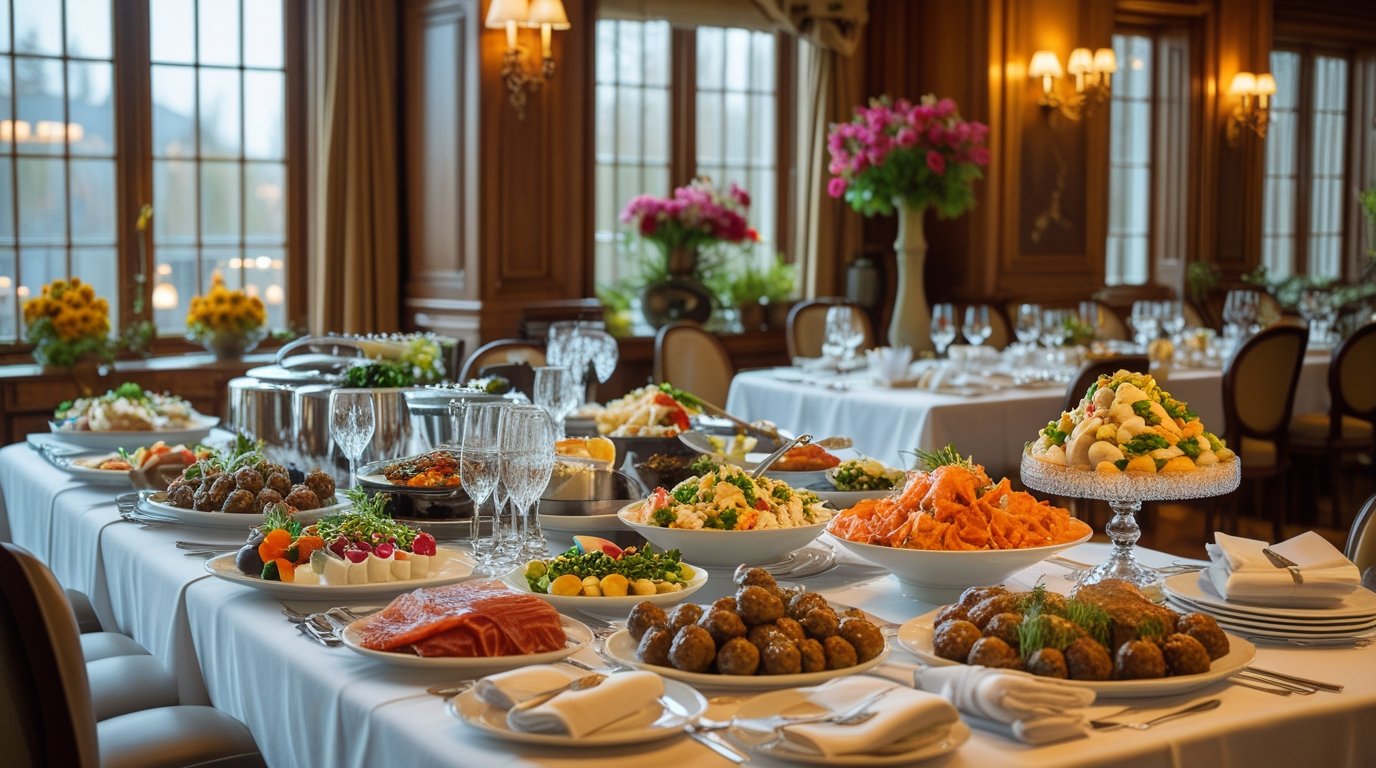
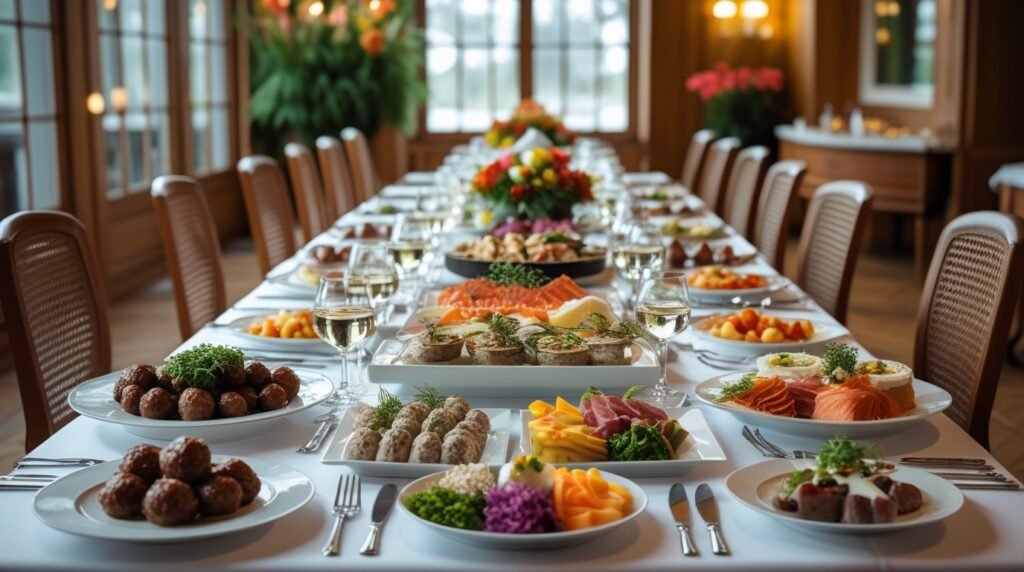
Swedish cuisine is renowned for its simplicity and reliance on local, seasonal ingredients. A typical bjudlunch spread showcases a variety of traditional Swedish dishes, including cold cuts, breads, cheeses, herring, and more. However, the true beauty of bjudlunch lies in its versatility and the personal touch that hosts add to the meals. Whether it’s an elaborate spread or a more modest meal, bjudlunch is always about savoring the moment.
Traditional Swedish Dishes at a Bjudlunch
1. Smörgåsbord: The Star of Bjudlunch
One of the most iconic features of a bjudlunch is the smörgåsbord, a smorgasbord of cold dishes that includes an array of herring, pickled vegetables, gravlax (cured salmon), and various meats and cheeses. The smörgåsbord is an essential part of Swedish culture and often forms the backbone of any bjudlunch. This spread is not just about filling up; it’s a way to highlight the diversity of Swedish cuisine and showcase the country’s rich culinary heritage.
2. Köttbullar (Swedish Meatballs)
No Swedish meal is complete without meatballs. Köttbullar are an integral part of Swedish food culture and often make an appearance at bjudlunches. These small, flavorful meatballs are usually made from a mix of beef and pork, served with lingonberry sauce and creamy mashed potatoes. They are the quintessential comfort food and always a hit at gatherings.
3. Gravadlax (Cured Salmon)
Gravadlax is another classic bjudlunch dish that highlights Swedish love for seafood. The salmon is cured with a mixture of sugar, salt, and dill, creating a delicate and savory flavor. It’s often served with mustard sauce and crisp bread, making it a refreshing dish to enjoy alongside the heavier offerings of the smörgåsbord.
4. Räkor (Shrimp)
Shrimp, particularly cold shrimp, is another favorite at Swedish bjudlunches. Often prepared simply with dill, lemon, and a dollop of mayonnaise, these little morsels of seafood are light and flavorful, perfect for balancing out the more robust flavors of other dishes.
5. Janssons Frestelse (Jansson’s Temptation)
This creamy potato casserole made with anchovies, onions, and heavy cream is a beloved classic in Swedish cuisine. It’s hearty and indulgent, making it a perfect dish to serve at a bjudlunch. Though anchovies are often a divisive ingredient, Jansson’s Frestelse remains a comforting and nostalgic dish for many Swedes.
The Drinks of a Bjudlunch
Bjudlunches are typically paired with a variety of beverages to complement the meal. Swedish snaps (a type of schnapps) is often enjoyed with the more robust dishes, especially with herring. It’s common for the host to lead guests in a traditional Swedish drinking toast, accompanied by a lively cheer. Non-alcoholic options like fruit juices, sparkling water, and traditional Swedish elderflower cordial are also commonly offered.
Bread and Cheese
No Swedish meal is complete without an assortment of bread and cheese. Rye bread is a common choice, as it pairs well with the salty herring and other rich flavors. Swedish cheese varieties, such as Västerbotten, a sharp, hard cheese, are also typically featured.
Bjudlunch Etiquette: How to Host a Perfect Bjudlunch
While the food takes center stage at a bjudlunch, the etiquette surrounding this Swedish tradition is equally important. The key to a successful bjudlunch lies in creating an environment of warmth, respect, and camaraderie. Here are a few guidelines to help you host a memorable bjudlunch:
1. Invitations Are Key
The first step in hosting a bjudlunch is to send out invitations. Traditionally, a bjudlunch was an invitation-only event, where the host would personally invite guests to attend. Today, digital invitations or casual phone calls can be made, but the concept of extending a thoughtful invitation remains unchanged. Ensure to give your guests enough notice so they can make the necessary arrangements.
2. A Relaxed Atmosphere
Bjudlunch is about comfort and ease. The meal should never feel rushed, and the focus should be on enjoying the company rather than simply eating. A traditional bjudlunch may last several hours, allowing ample time for conversation, laughter, and enjoying the food.
3. Be Mindful of Dietary Preferences
As with any meal gathering, it’s crucial to be considerate of your guests’ dietary restrictions and preferences. Sweden is known for having a wide variety of food options, so whether your guests are vegetarian, gluten-free, or have other special requirements, there’s always a way to accommodate them. Make sure to offer options for everyone at the table.
4. Offer a Variety of Dishes
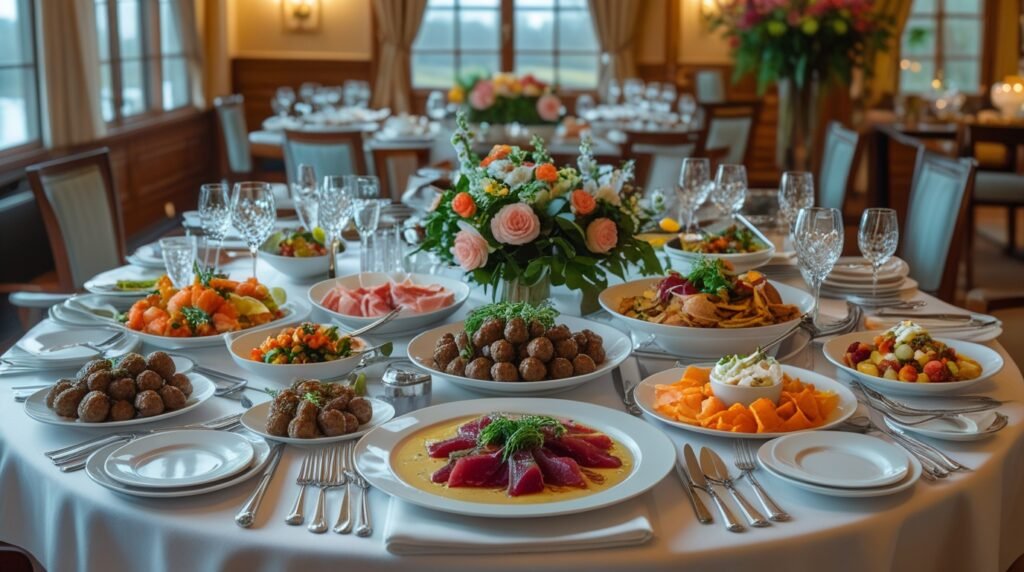
A successful bjudlunch is all about variety. The more dishes you can offer, the better. In addition to the classic smörgåsbord and other traditional dishes, consider including a salad or two, a light soup, and maybe a dessert such as Swedish cinnamon buns (kanelbullar). Offering a wide variety of foods ensures that every guest can find something they enjoy.
5. The Toast
The toast is a pivotal moment in any bjudlunch. The host usually starts by offering a heartfelt toast to the guests. It’s customary to raise your glass, make eye contact with fellow diners, and offer a few words of gratitude or cheer. After the toast, the meal begins, and the guests can indulge in the feast before them.
Conclusion: Embracing the Swedish Tradition of Bjudlunch
Bjudlunch is much more than just a meal; it is a celebration of community, tradition, and hospitality. It reflects the values of Swedish society—warmth, inclusivity, and connection. By embracing the concept of bjudlunch, you can not only enjoy delicious Swedish food but also cultivate deeper relationships with friends, family, or colleagues. From the traditional smörgåsbord to the heartfelt toasts, bjudlunch is a true representation of Swedish culture at its finest. Whether you are hosting a bjudlunch or attending one, it is an experience that emphasizes the importance of connection over the complexities of everyday life.
FAQs about Bjudlunch
- What does bjudlunch mean?
Bjudlunch is a Swedish tradition where the host invites guests to a lunch gathering. The focus is on hospitality, community, and enjoying a variety of Swedish dishes. - What are typical dishes served at a bjudlunch?
Common dishes include smörgåsbord (cold cuts, herring, gravlax), köttbullar (meatballs), gravlax, räkor (shrimp), and Jansson’s Frestelse. Additionally, a variety of breads and cheeses are typically served. - How long does a bjudlunch last?
A bjudlunch is often a long and leisurely meal, lasting several hours. The emphasis is on conversation and enjoying the company of others. - Can I host a bjudlunch if I don’t know how to cook Swedish food?
Yes! While traditional Swedish dishes are typically served, you can always adapt the menu to suit your cooking skills and guest preferences. Consider catering or asking friends for their favorite Swedish recipes.