





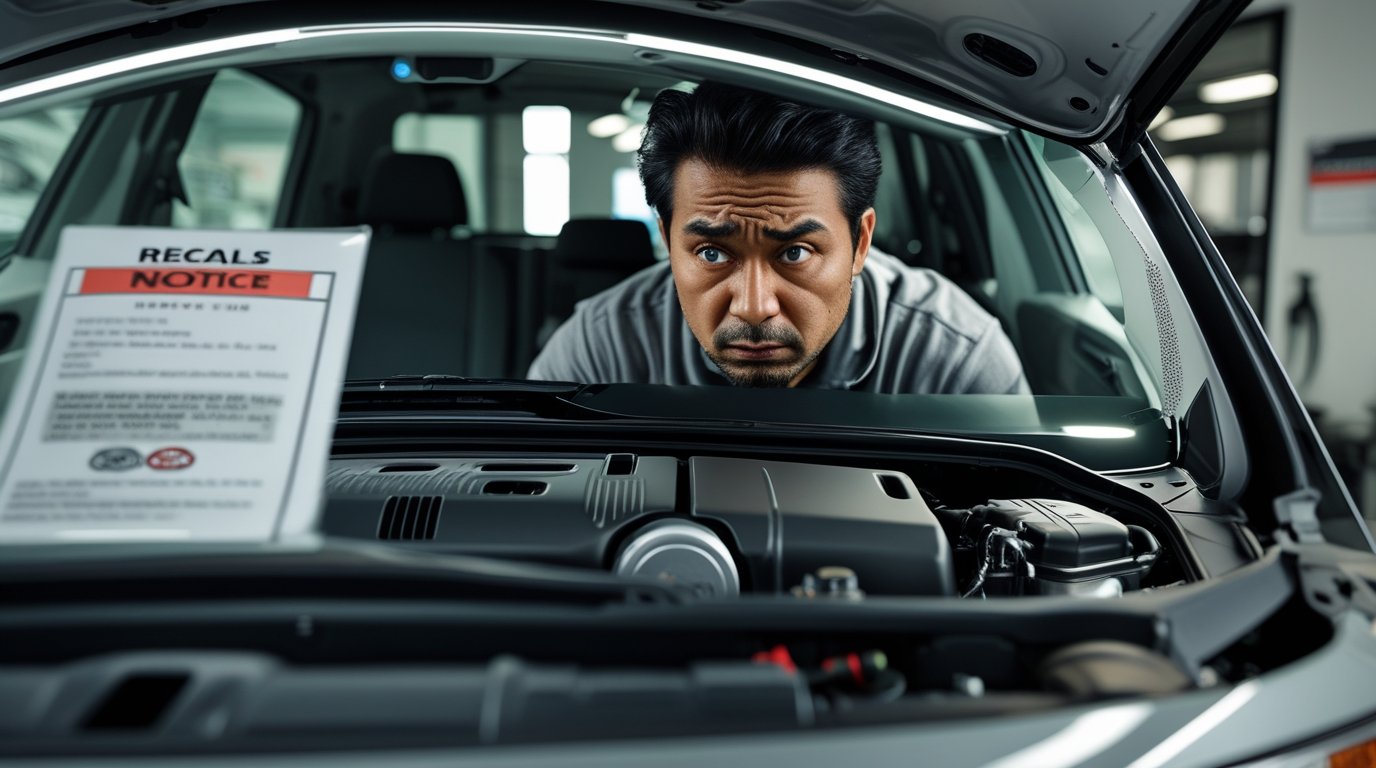
The automotive world is constantly evolving, especially with the rise of eco-friendly vehicles like hydrogen fuel cell cars. Recently, news broke that honda is recalling 388 cr-v e:fcevs for potential coolant leaks, raising questions among consumers about safety, reliability, and the future of fuel cell technology. This recall highlights how even advanced, cutting-edge vehicles are not immune to mechanical challenges, and it reinforces the importance of proactive safety measures by manufacturers.
In this comprehensive guide, we’ll explore the details behind the recall, what it means for owners, how it impacts the automotive industry, and what lessons consumers can take from it. We’ll also dive into hydrogen vehicle technology, safety standards, and Honda’s response to ensure you have a complete understanding of the situation.
Understanding the Recall: Honda CR-V e:FCEV Overview
The recall involving the honda is recalling 388 cr-v e:fcevs for potential coolant leaks centers around a specific version of the popular CR-V model. The Honda CR-V e:FCEV is a hydrogen fuel cell electric vehicle (FCEV), designed to combine sustainability with modern SUV performance.
What Is the CR-V e:FCEV?
The Honda CR-V e:FCEV is a next-generation vehicle that uses hydrogen gas to generate electricity. Unlike traditional gasoline cars or even battery electric vehicles (BEVs), FCEVs produce electricity onboard through a chemical reaction between hydrogen and oxygen.
Key Features of the CR-V e:FCEV
- Zero tailpipe emissions (only water vapor)
- Quick refueling compared to electric charging
- Advanced hybrid-like backup battery system
- Environmentally friendly driving solution
Despite these benefits, the announcement that honda is recalling 388 cr-v e:fcevs for potential coolant leaks has drawn attention to potential vulnerabilities in this innovative technology.
What Caused the Recall?
The primary reason behind the recall is a defect that may lead to coolant leakage in the fuel cell system.
Coolant Leak Issue Explained
The issue at the heart of honda is recalling 388 cr-v e:fcevs for potential coolant leaks involves a component within the fuel cell system where coolant is used to regulate temperature. If coolant leaks occur:
- The fuel cell stack may overheat
- Vehicle performance may be reduced
- Safety risks could increase over time
Why Coolant Matters in Fuel Cell Vehicles
In hydrogen vehicles, temperature control is critical. The fuel cell system generates heat during operation, and coolant ensures:
- Stable energy conversion
- Protection of internal components
- Efficient system performance
A malfunction in this system is why honda is recalling 388 cr-v e:fcevs for potential coolant leaks, as even minor leaks can escalate into larger mechanical problems.
Scope of the Recall
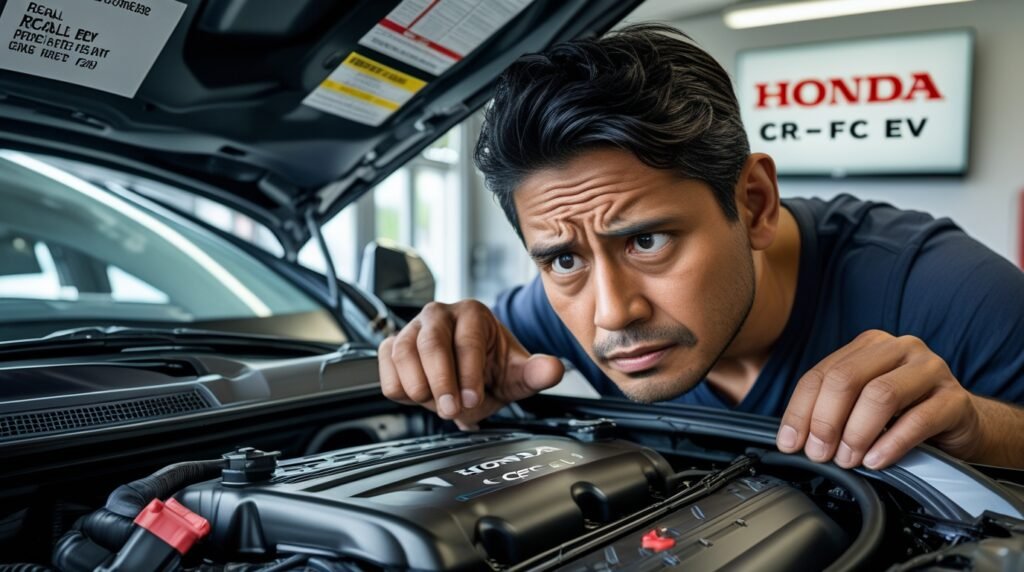
Although 388 vehicles might seem like a small number, the recall is significant due to the limited production of hydrogen vehicles.
Affected Vehicles
- Only specific CR-V e:FCEV units are impacted
- Vehicles manufactured within a certain period are included
- Mostly early production models
This selective recall indicates that honda is recalling 388 cr-v e:fcevs for potential coolant leaks as a precautionary step rather than a widespread defect.
Geographical Impact
Hydrogen vehicles are primarily available in limited markets such as:
- California (USA)
- Japan
- Select regions with hydrogen infrastructure
The recall demonstrates Honda’s commitment to safety, even in niche markets where FCEVs are still developing.
Honda’s Response to the Issue
When news surfaced that honda is recalling 388 cr-v e:fcevs for potential coolant leaks, the company acted swiftly.
Immediate Actions Taken
- Official recall notice issued
- Affected owners contacted directly
- Free inspection and repairs offered
Repair Solution
Honda technicians will:
- Inspect the coolant system
- Replace faulty components if necessary
- Ensure the system meets safety standards
The company’s proactive approach shows why honda is recalling 388 cr-v e:fcevs for potential coolant leaks is being handled responsibly and transparently.
Safety Implications for Drivers
Safety is the top priority in any vehicle recall, and this situation is no exception.
Potential Risks
If left unaddressed, coolant leaks could lead to:
- Overheating of the fuel cell system
- Reduced power output
- Possible long-term damage to components
Is It Dangerous?
While the issue is not immediately life-threatening, the reason honda is recalling 388 cr-v e:fcevs for potential coolant leaks is to prevent future complications that could affect vehicle reliability and safety.
Impact on Honda’s Reputation
Recalls can influence consumer trust, but they can also demonstrate accountability.
Positive Aspects
- Transparency in identifying the issue
- Quick response to resolve the problem
- Commitment to customer safety
Challenges
- Concerns about new technology reliability
- Potential hesitation among future buyers
Even though honda is recalling 388 cr-v e:fcevs for potential coolant leaks, the company’s strong reputation for reliability helps maintain consumer confidence.
Hydrogen Vehicles: Are They Still Reliable?
The recall raises questions about hydrogen fuel cell technology.
Advantages of Hydrogen Vehicles
- Zero emissions
- Fast refueling times
- Long driving range
Challenges
- Limited refueling infrastructure
- High production costs
- Technical complexity
The situation where honda is recalling 388 cr-v e:fcevs for potential coolant leaks highlights the need for continued innovation and testing in emerging technologies.
How This Recall Compares to Others
Vehicle recalls are common across the industry, even among top brands.
Industry Perspective
Automakers frequently issue recalls for:
- Software glitches
- Mechanical defects
- Safety concerns
Compared to major recalls involving millions of vehicles, honda is recalling 388 cr-v e:fcevs for potential coolant leaks is relatively small but still important.
What Owners Should Do Next
If you own a CR-V e:FCEV, it’s important to take action.
Steps to Follow
- Check if your vehicle is affected
- Contact an authorized Honda dealer
- Schedule a free inspection
- Follow maintenance recommendations
By addressing the issue promptly, owners can ensure their vehicles remain safe despite honda is recalling 388 cr-v e:fcevs for potential coolant leaks.
Preventive Maintenance Tips
Even beyond this recall, regular maintenance is essential.
Best Practices
- Monitor dashboard warnings
- Schedule routine inspections
- Keep coolant levels in check
- Stay updated on recalls
These steps can help minimize risks, especially in advanced vehicles like those involved in honda is recalling 388 cr-v e:fcevs for potential coolant leaks.
Future of Honda’s Fuel Cell Technology
Despite this setback, Honda continues to invest in hydrogen technology.
Upcoming Innovations
- Improved fuel cell systems
- Enhanced durability
- Better cooling mechanisms
The recall doesn’t signal failure but rather progress, as honda is recalling 388 cr-v e:fcevs for potential coolant leaks to refine and improve future models.
Environmental Impact
Hydrogen vehicles remain a key part of sustainable transportation.
Eco Benefits
- No carbon emissions
- Reduced dependence on fossil fuels
- Cleaner air quality
Even with challenges like honda is recalling 388 cr-v e:fcevs for potential coolant leaks, the long-term environmental benefits remain significant.
Consumer Confidence and Market Trends
The recall may influence how consumers view hydrogen vehicles.
Market Reaction
- Increased awareness of FCEV technology
- Greater scrutiny of new vehicle systems
- Continued interest in eco-friendly options
Despite concerns, honda is recalling 388 cr-v e:fcevs for potential coolant leaks is unlikely to slow the overall shift toward sustainable mobility.
Expert Insights on the Recall
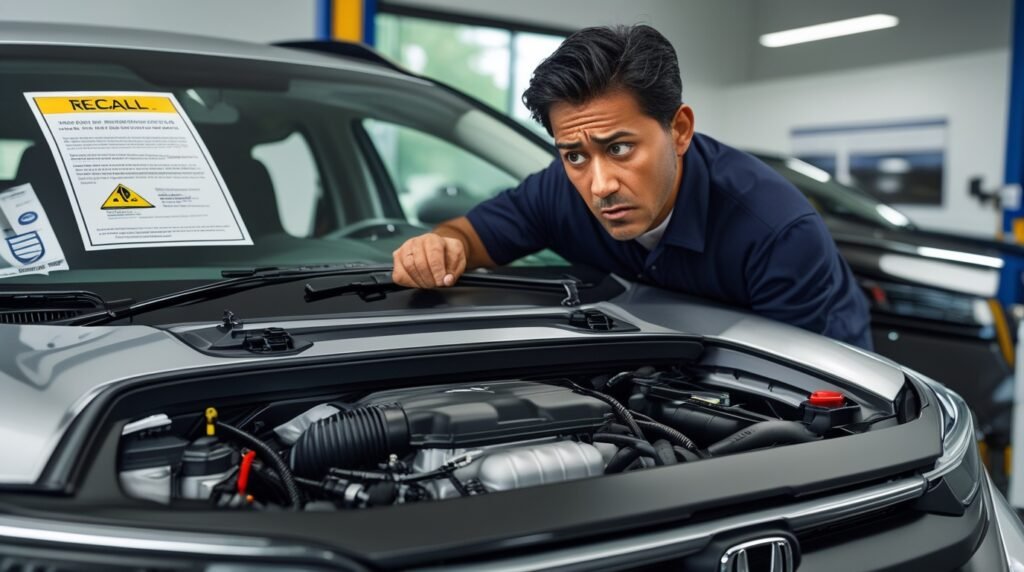
Automotive experts see this recall as part of normal industry evolution.
Key Takeaways
- Early-stage technologies often face minor issues
- Recalls improve long-term reliability
- Transparency builds trust
From this perspective, honda is recalling 388 cr-v e:fcevs for potential coolant leaks is a sign of responsible manufacturing rather than failure.
Conclusion
The announcement that honda is recalling 388 cr-v e:fcevs for potential coolant leaks serves as an important reminder that innovation comes with challenges. While hydrogen fuel cell vehicles represent the future of clean transportation, they still require rigorous testing and continuous improvement.
Honda’s proactive approach to addressing the issue demonstrates its commitment to safety, quality, and customer trust. For owners, the recall offers a chance to ensure their vehicles remain in optimal condition. For the industry, it highlights the importance of transparency and accountability in advancing new technologies.
Ultimately, this recall is not a setback but a step forward in refining hydrogen vehicle systems and ensuring a safer, more sustainable future for all.
FAQs
1. Why is Honda recalling these vehicles?
Honda identified a potential coolant leak issue, which is why honda is recalling 388 cr-v e:fcevs for potential coolant leaks to prevent overheating and system damage.
2. Are all CR-V models affected?
No, only specific CR-V e:FCEV units are included in the recall.
3. Is the issue dangerous?
The risk is low but could lead to performance issues if not addressed, which is why the recall is necessary.
4. Will repairs cost anything?
No, Honda is offering free inspections and repairs for affected vehicles.
5. Should I stop driving my car?
You can continue driving, but it’s recommended to schedule a repair as soon as possible.