




Introduction
In today’s digital world, audio quality plays a crucial role in communication, entertainment, and content creation. Whether you are a podcaster, musician, gamer, or filmmaker, having the right microphone can make all the difference. This is where k-mics come into the spotlight as a modern solution for high-quality sound capture. From professional studios to home setups, k-mics are becoming increasingly popular due to their performance, versatility, and affordability. This comprehensive guide explores everything you need to know about k-mics, including types, features, applications, benefits, and how to choose the best one for your needs.
What Are K-Mics?
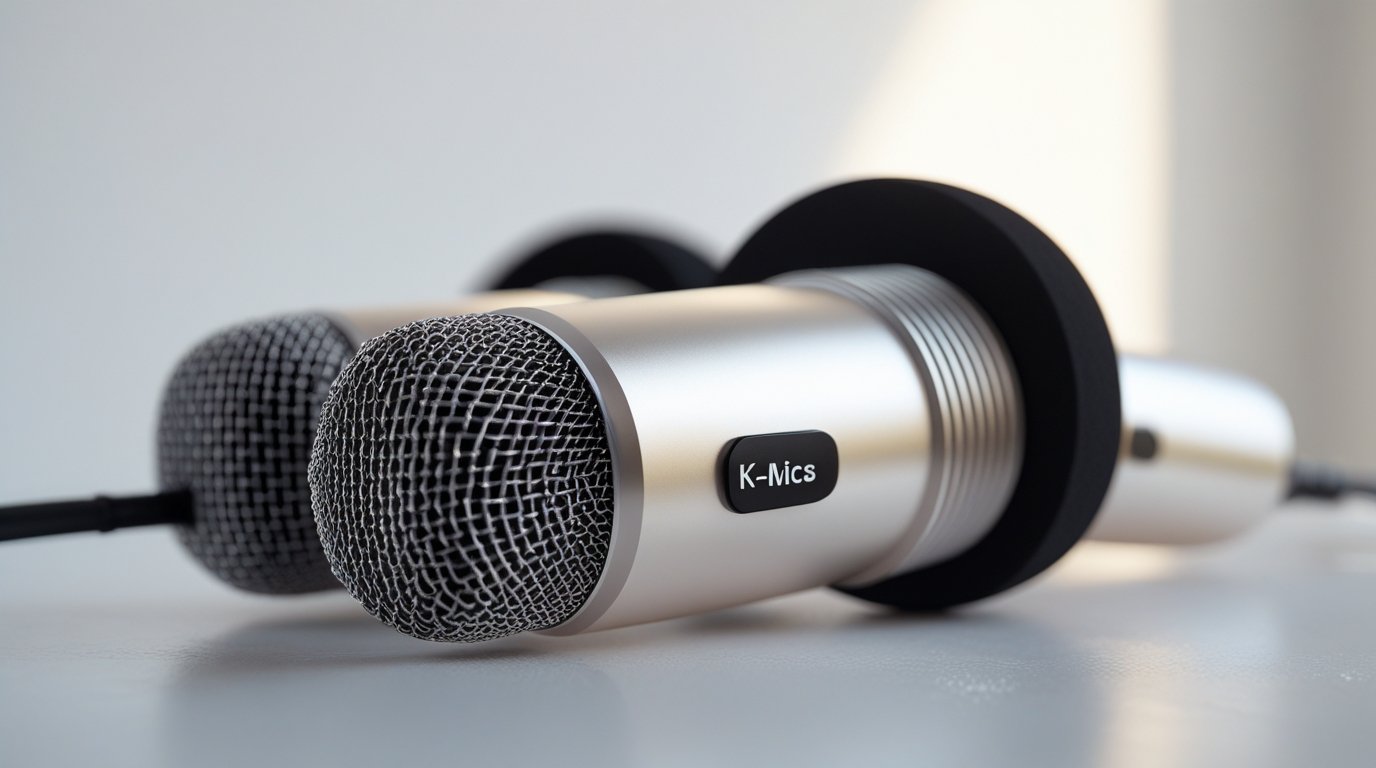
K-mics refer to a category or brand style of microphones known for delivering clear, reliable, and high-definition sound. These microphones are widely used in recording, broadcasting, streaming, and live performances. The term is often associated with modern microphone solutions designed to meet the needs of both beginners and professionals.
Unlike traditional microphones, k-mics often incorporate advanced audio technologies that enhance sound clarity and reduce background noise. They are designed to work seamlessly with various devices such as computers, audio interfaces, and smartphones, making them highly versatile.
Evolution of Microphone Technology
Early Microphones
The journey of microphones began with basic analog devices used for telecommunication. These early microphones had limited sound quality and were primarily used for voice transmission.
Transition to Digital Audio
With the advancement of technology, microphones evolved into digital devices capable of capturing high-fidelity audio. This shift paved the way for innovations like k-mics, which combine traditional design with modern digital features.
Modern Innovations
Today, k-mics represent the latest generation of microphones, featuring noise cancellation, USB connectivity, and smart audio processing. These advancements make them suitable for a wide range of applications, from professional recording to casual use.

Types of K-Mics
Condenser K-Mics
Condenser k-mics are known for their sensitivity and accuracy. They are ideal for studio recordings, vocals, and instruments. These microphones capture detailed sound, making them a top choice for professionals.
Dynamic K-Mics
Dynamic k-mics are durable and versatile. They are commonly used in live performances and broadcasting due to their ability to handle high sound pressure levels.
USB K-Mics
USB k-mics are designed for convenience. They can be directly connected to computers without the need for additional equipment, making them perfect for beginners and content creators.
Lavalier K-Mics
Lavalier k-mics, also known as clip-on microphones, are compact and portable. They are widely used in interviews, presentations, and video production.
Shotgun K-Mics
Shotgun k-mics are directional microphones that capture sound from a specific direction. They are commonly used in filmmaking and outdoor recording.
Key Features of K-Mics
High Audio Quality
One of the main advantages of k-mics is their ability to deliver clear and professional-grade audio. This makes them suitable for various applications, including music production and podcasting.
Noise Reduction Technology
Many k-mics come with built-in noise reduction features that minimize background noise and enhance voice clarity.
Compatibility
K-mics are designed to work with multiple devices, including laptops, smartphones, and audio interfaces.
Durability
Modern k-mics are built with high-quality materials, ensuring long-lasting performance even in demanding environments.
Ease of Use
With plug-and-play functionality, k-mics are easy to set up and use, even for beginners.
Applications of K-Mics
Podcasting
Podcasting has become one of the fastest-growing forms of digital content. K-mics provide the audio quality needed to produce professional-sounding podcasts.
Music Production
Musicians rely on k-mics to record vocals and instruments with precision. These microphones capture subtle details that enhance the overall sound quality.
Gaming and Streaming
Gamers and streamers use k-mics to communicate with their audience clearly. High-quality audio improves the overall viewing experience.
Video Production
K-mics are widely used in filmmaking and video production to capture clear dialogue and ambient sounds.
Corporate and Online Meetings
With the rise of remote work, k-mics are essential for clear communication in virtual meetings and presentations.
Benefits of Using K-Mics
Professional Sound Quality
K-mics offer studio-level audio quality, making them suitable for professional use.
Versatility
These microphones can be used in various settings, from studios to outdoor environments.
Cost-Effectiveness
Compared to traditional high-end microphones, k-mics provide excellent value for money.
Portability
Many k-mics are lightweight and easy to carry, making them ideal for on-the-go use.
How to Choose the Right K-Mics
Determine Your Purpose
Before purchasing k-mics, identify your primary use. Whether it’s podcasting, music recording, or streaming, choosing the right type is essential.
Consider Your Budget
K-mics are available in a wide price range. Setting a budget helps narrow down your options.
Check Compatibility
Ensure that the k-mics you choose are compatible with your devices and software.
Evaluate Sound Quality
Look for microphones with good frequency response and low noise levels.
Read Reviews
Customer reviews and expert opinions can provide valuable insights into the performance of k-mics.
Setting Up K-Mics for Best Performance
Proper Placement
Positioning your k-mics correctly is crucial for capturing clear audio. Keep the microphone at an appropriate distance from the sound source.
Use of Accessories
Accessories like pop filters, shock mounts, and stands can improve audio quality and reduce unwanted noise.
Soundproofing
Recording in a quiet environment or using soundproofing materials can enhance the performance of k-mics.
Adjusting Settings
Fine-tuning microphone settings, such as gain and sensitivity, ensures optimal sound quality.
Common Mistakes to Avoid
One common mistake when using k-mics is placing them too far from the sound source, resulting in weak audio. Another issue is ignoring background noise, which can affect recording quality.
Users often overlook the importance of accessories, which can significantly improve performance. Additionally, improper settings can lead to distorted or unclear sound.
Maintenance and Care
Proper maintenance ensures the longevity of k-mics. Keep them clean and store them in a safe place when not in use. Avoid exposing them to moisture and extreme temperatures.
Regularly check cables and connections to ensure they are functioning correctly. Taking care of your equipment will help maintain its performance over time.
Future Trends in K-Mics Technology
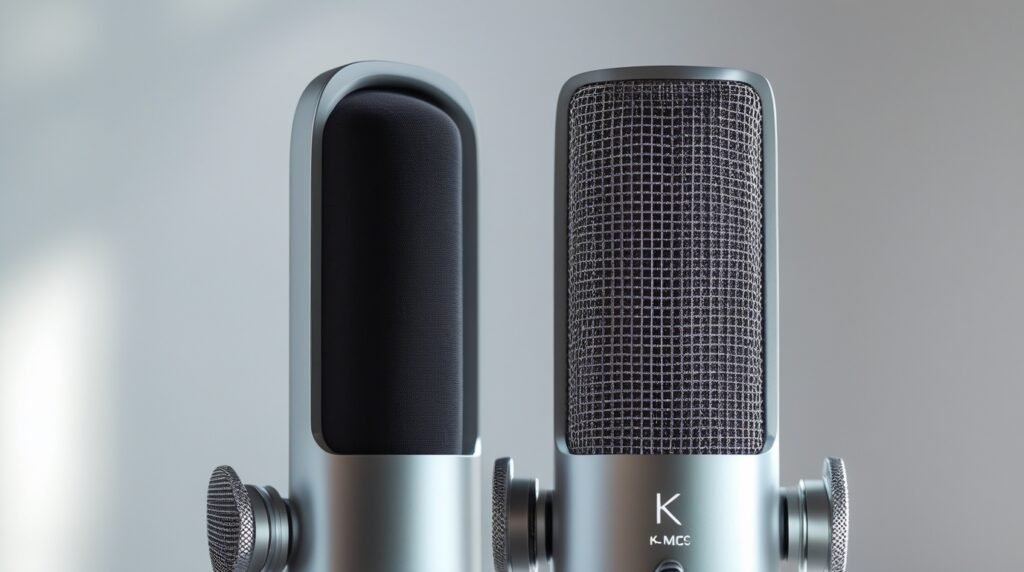
The future of k-mics looks promising with advancements in artificial intelligence and smart audio processing. Features like automatic noise cancellation and voice enhancement are becoming more common.
Wireless connectivity and integration with smart devices are also shaping the future of microphones. These innovations will make k-mics even more convenient and efficient.
Why K-Mics Are Gaining Popularity
The growing demand for digital content has increased the need for high-quality audio equipment. K-mics offer a perfect balance of performance, affordability, and ease of use.
Their versatility makes them suitable for a wide range of users, from beginners to professionals. As technology continues to evolve, k-mics are expected to become even more popular.
Conclusion
K-mics have revolutionized the way we capture and use audio. With their advanced features, versatility, and affordability, they have become an essential tool for content creators, musicians, and professionals. By understanding their types, features, and applications, you can choose the right k-mics for your needs and achieve high-quality sound in any setting. Investing in the right microphone is a step toward better communication and content creation.
FAQs
What are k-mics used for?
K-mics are used for recording audio in various applications such as podcasting, music production, streaming, and video creation.
Are k-mics suitable for beginners?
Yes, many k-mics are designed with user-friendly features, making them ideal for beginners.
How do I improve the sound quality of my k-mics?
You can improve sound quality by using accessories, adjusting settings, and recording in a quiet environment.
Are k-mics expensive?
K-mics are available at different price points, making them accessible to a wide range of users.
Can k-mics be used with smartphones?
Yes, many k-mics are compatible with smartphones, especially those with USB or wireless connectivity options.