





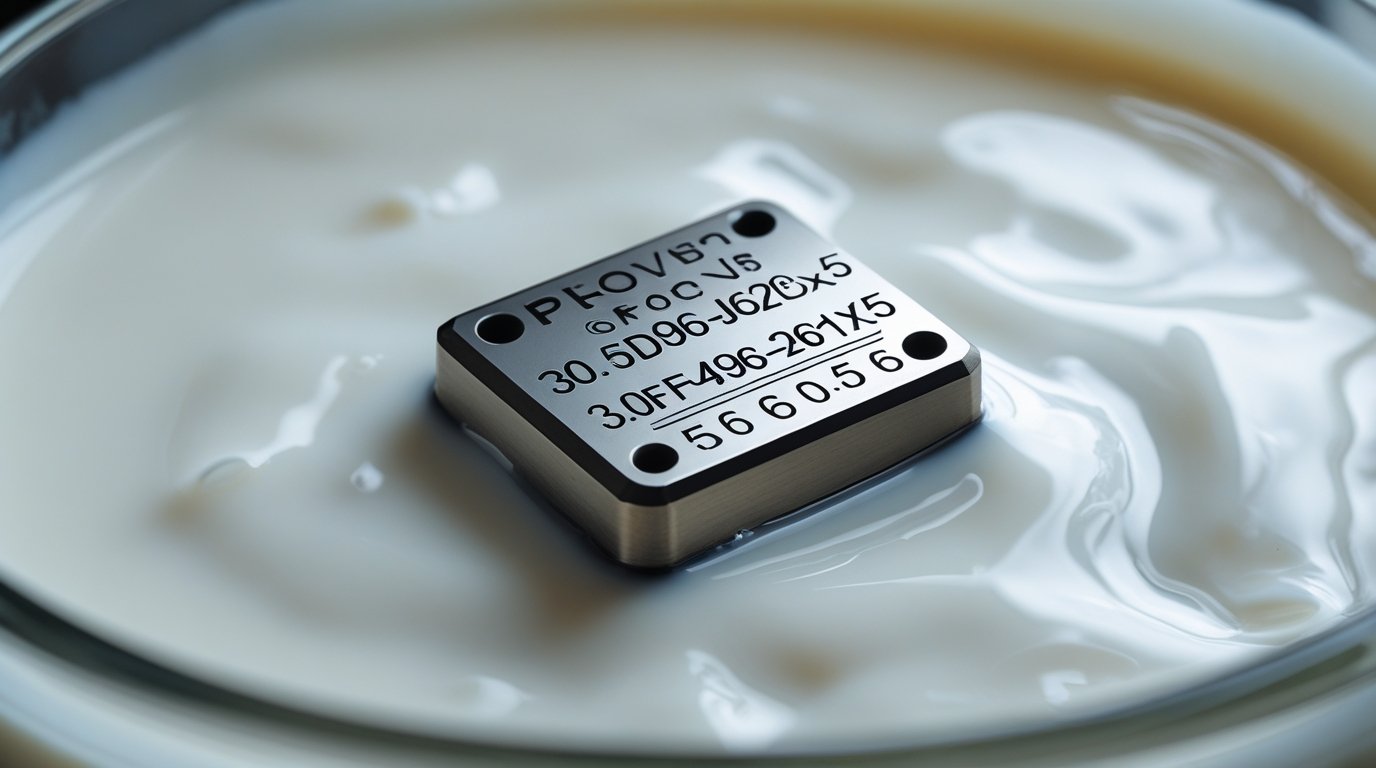
In the ever-evolving world of food science, we often come across new terms, codes, and discoveries that leave us with questions. One such term that has recently caught the attention of scientists, nutritionists, and industry professionals is 30.6df496–j261x5 in milk. At first glance, it may seem like a random combination of numbers and letters, but this designation refers to a specific compound, element, or chemical reaction related to milk that is important for its properties, quality, and safety.
In this comprehensive guide, we will break down the meaning of 30.6df496–j261x5 in milk, its implications for the dairy industry, and its potential effects on milk consumption. Whether you’re a milk enthusiast, a nutrition-conscious individual, or someone simply interested in food science, this article will provide valuable insights into the significance of 30.6df496–j261x5 and what it could mean for milk as a product.
What is 30.6df496–j261x5 in Milk?
Before diving deep into the context and implications of 30.6df496–j261x5 in milk, it’s important to understand what this term actually refers to. At its core, 30.6df496–j261x5 is a scientific code that likely denotes a specific substance, chemical, or process related to milk. These types of codes are common in the world of food science, where products are often tested, monitored, and classified based on their chemical compositions or physical properties.
Understanding the Code Structure
The alphanumeric sequence 30.6df496–j261x5 in Milk is a unique identifier used to classify a particular chemical or molecular composition found in milk. It is important to note that such codes are typically used for research purposes or in industrial settings where precise monitoring and classification are necessary. The structure of the code suggests that it might be associated with a particular chemical compound or reaction that affects the milk’s properties, such as its texture, shelf life, or nutritional content.
While 30.6df496–j261x5 in Milk may not yet be a term widely recognized by consumers, it plays an important role in understanding how milk interacts with various processes like pasteurization, fermentation, or storage. Let’s explore the possible significance of this code and how it could be related to milk’s composition and quality.
How Does 30.6df496–j261x5 Affect Milk?
The Role of Chemical Components in Milk Quality
Milk, as a complex biological liquid, is made up of a variety of components, including water, proteins, fats, carbohydrates, vitamins, and minerals. When it comes to food science, any chemical reactions or additions to milk can have a significant impact on its taste, texture, and nutritional value. 30.6df496–j261x5 may represent a chemical compound or interaction that influences one or more of these properties.
For example, 30.6df496–j261x5 could potentially be a compound that:
- Impacts Milk’s Shelf Life: Certain chemicals or preservatives can be added to milk to extend its shelf life. These additives are closely regulated to ensure they don’t alter the milk’s taste or pose health risks.
- Affects Milk’s Nutritional Profile: Chemicals can also play a role in enhancing or altering the nutritional content of milk, such as increasing the bioavailability of certain vitamins or minerals.
- Improves Milk’s Texture: The texture of milk can be influenced by enzymes or proteins that help stabilize the liquid, especially in products like yogurt or cheese.
Understanding 30.6df496–j261x5 in Milk could allow scientists and producers to better control these factors, ensuring that milk and milk-based products meet the desired quality and safety standards.
Potential Impact on Milk Processing
In the dairy industry, milk is subjected to a variety of processes such as pasteurization, homogenization, and fermentation. These processes can change the chemical composition of milk, sometimes resulting in the formation of new compounds or the alteration of existing ones. If 30.6df496–j261x5 is a compound created during these processes, it could have a range of effects, from improving product consistency to affecting the milk’s safety.
For instance:
- Pasteurization: The process of heating milk to kill harmful bacteria may also cause chemical reactions that form new compounds. If 30.6df496–j261x5 is related to pasteurization, it could influence the shelf life and safety of the milk.
- Homogenization: This process breaks down fat molecules in milk to create a uniform consistency. If 30.6df496–j261x5 is involved in homogenization, it might help ensure the milk maintains its smooth texture.
- Fermentation: In products like yogurt and cheese, fermentation plays a crucial role in transforming the milk. Chemical reactions during fermentation could involve compounds like 30.6df496–j261x5, influencing the final product’s flavor, texture, and probiotic content.
A Closer Look at Potential Chemical Components
Without knowing the specific chemical identity of 30.6df496–j261x5, it’s difficult to pinpoint its exact role. However, based on its name and typical usage patterns in food science, it is possible that this code refers to one of the following types of compounds found in milk:
- Enzymes: Enzymes are often used in milk processing to modify the structure of milk proteins or to accelerate certain reactions. These could include rennet (used in cheese-making) or lactase (used to break down lactose for lactose-free milk).
- Preservatives: Some chemicals are added to milk to prevent spoilage and extend shelf life. These preservatives must be carefully regulated to ensure that they do not negatively affect the taste or healthiness of the milk.
- Nutritional Additives: There are various nutrients that can be added to milk, such as vitamin D, calcium, and probiotics, to improve its nutritional value.
Understanding whether 30.6df496–j261x5 is one of these compounds can help in determining how it interacts with the milk’s natural composition and how it affects consumers.
Scientific Implications of 30.6df496–j261x5 in Milk
The Role in Dairy Research
In the world of dairy science, research on milk’s chemical composition is ongoing. Researchers continuously analyze how various compounds in milk affect its properties and how new compounds, like 30.6df496–j261x5, could be integrated into milk products. These studies help to advance dairy processing techniques, improve food safety, and ensure the nutritional integrity of milk products.
For example, if 30.6df496–j261x5 is found to impact milk’s nutritional value, researchers could develop better strategies for fortifying milk with essential nutrients, which is especially important in populations that require additional supplementation, such as children or the elderly.
Impact on Milk Safety
Milk safety is a major concern in the dairy industry, with stringent regulations in place to ensure that milk products are free from harmful contaminants and pathogens. The addition of new compounds, including those represented by codes like 30.6df496–j261x5, could either improve or pose risks to milk safety. For instance, certain additives or preservatives might help in reducing bacterial contamination, while others could potentially create harmful byproducts during storage or processing.
Ongoing research into these compounds helps to identify the potential risks and benefits associated with their presence in milk. This ensures that the dairy industry maintains high safety standards and that consumers can trust the quality of the products they purchase.
What Does This Mean for Consumers?
How 30.6df496–j261x5 in Milk Could Affect Milk Drinkers
For most consumers, the presence of specific chemicals or compounds like 30.6df496–j261x5 in milk may not be immediately noticeable, as many of these substances are present in very small quantities and are used primarily for processing purposes. However, it’s important to be aware of how these compounds can impact the overall quality of the milk, as well as the nutritional content.
For example:
- Nutritional Benefits: If 30.6df496–j261x5 contributes to improving the nutritional profile of milk, such as by adding important vitamins or minerals, consumers might enjoy a more healthful product.
- Taste and Texture: If this compound impacts milk’s texture or flavor, it could influence how milk is perceived by consumers. This might be particularly relevant for specialized milk products like flavored milks or dairy-based drinks.
- Safety Considerations: As with any new compound, there are always safety concerns that need to be considered. Regulatory agencies such as the FDA and EFSA are responsible for ensuring that any additives or new chemicals used in milk are safe for human consumption.
Consumer Awareness and Transparency
As consumers become more health-conscious and knowledgeable about what’s in their food, the transparency of ingredients and chemicals used in milk becomes increasingly important. Understanding the role of compounds like 30.6df496–j261x5 can help consumers make informed decisions about the types of milk and dairy products they choose to consume.
Conclusion: The Importance of Understanding 30.6df496–j261x5 in Milk
While 30.6df496–j261x5 may seem like an obscure term, it holds significant importance in the world of dairy science and milk processing. From improving milk quality to influencing its nutritional profile and safety, the chemicals and compounds in milk play a crucial role in shaping the products that consumers enjoy.
For the dairy industry, ongoing research into substances like 30.6df496–j261x5 helps ensure that milk remains a nutritious, safe, and enjoyable product. For consumers, understanding the science behind milk and its ingredients allows for more informed choices, ultimately leading to a healthier relationship with dairy products.
FAQs
**Q1: What is 30.6df496–j261x5 in milk?
30.6df496–j261x5 is a scientific code likely referring to a specific chemical compound or process related to milk. It may affect the milk’s quality, safety, texture, or nutritional content.
Q2: How does 30.6df496–j261x5 affect milk processing?
This compound could play a role in improving milk’s shelf life, texture, or nutritional profile, especially in processed milk products like yogurt or cheese.
Q3: Is 30.6df496–j261x5 safe for consumers?
While the specific compound is not fully identified, it is important to note that all substances used in milk products are rigorously tested and regulated to ensure safety for consumers.
Q4: Can I find 30.6df496–j261x5 in all milk products?
It is possible that 30.6df496–j261x5 is used in specific milk products, particularly those that undergo certain processing methods. However, most consumers will not notice its presence directly.