






As we move deeper into the 21st century, the world is becoming increasingly interconnected, and innovation is at the forefront of every industry. OpenFuture World represents a unique concept that encapsulates the merging of technology, sustainability, and forward-thinking ideas to drive positive change in the global landscape.
Whether through advancements in digital technology, smart cities, or sustainable practices, OpenFuture World is a term that symbolizes the ongoing evolution towards a more inclusive, technologically advanced, and environmentally responsible world. In this article, we will delve into what OpenFuture World means, explore its key components, and understand how it is shaping the future of industries, governments, and individuals alike.
What is OpenFuture World?
OpenFuture World refers to the broad concept of an open, transparent, and sustainable future where technological advancements, environmental responsibility, and societal progress are seamlessly integrated. It is a future shaped by open-source technologies, collaborative efforts, and a focus on solving global challenges. At its core, OpenFuture World is about building systems and infrastructures that promote fairness, accessibility, and sustainability, benefiting not just individuals but entire communities across the globe.
The idea of an “open future” can take many forms, from open-source software and hardware solutions to global collaborations on climate change and renewable energy. The focus is on collaboration, transparency, and utilizing the best of human ingenuity to create solutions that are both innovative and responsible.
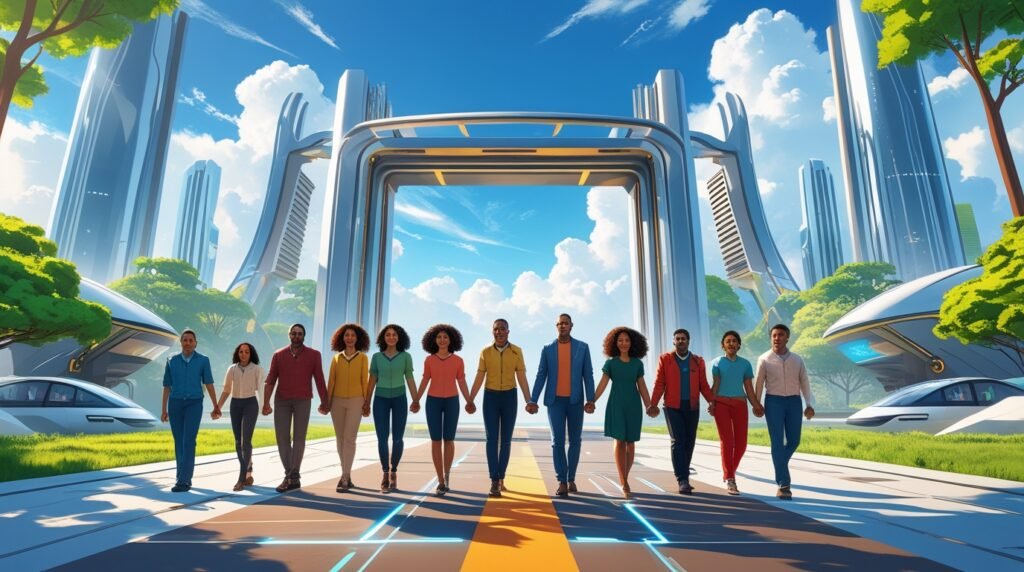
Key Aspects of OpenFuture World
To understand OpenFuture World, it is essential to break down its key elements. These elements include open technologies, sustainable innovation, digital transformation, and collaborative governance. Each of these aspects plays a vital role in the realization of a future that is more inclusive and adaptable to the challenges of the modern world.
1. Open-Source Technology and Innovation
One of the fundamental pillars of OpenFuture World is the idea of open-source technology. Open-source software refers to programs whose source code is made freely available for anyone to use, modify, and distribute. This encourages innovation and collaboration, as individuals and organizations can build upon each other’s work to create new solutions.
In the context of OpenFuture World, open-source technologies enable global collaboration on a wide variety of issues. From healthcare innovations like telemedicine to clean energy technologies, open-source solutions are allowing people from different parts of the world to work together in creating better, more accessible products and services. As more companies, developers, and governments embrace open-source approaches, OpenFuture World becomes a reality where technology is not restricted by proprietary systems but is instead shared for the common good.
2. Sustainability and Environmental Responsibility
Sustainability is a major theme within OpenFuture World, with a strong focus on ensuring that future advancements do not come at the expense of the planet. In fact, OpenFuture World emphasizes the importance of creating solutions that address both technological and environmental concerns. Green technologies such as renewable energy sources, energy-efficient devices, and sustainable construction methods are all integral to this vision.
OpenFuture World advocates for a transition from resource-intensive practices to sustainable models that can be maintained over the long term. This can be seen in the widespread adoption of electric vehicles, sustainable farming practices, and the use of blockchain technology for transparency in environmental impact assessments. With a commitment to minimizing waste, reducing carbon footprints, and promoting clean energy, OpenFuture World aims to shape a future that not only benefits humanity but also ensures the protection of the planet for generations to come.
3. Digital Transformation and Smart Infrastructure
The digital transformation of industries, cities, and economies is central to OpenFuture World. As the world becomes more connected, digital technologies like the Internet of Things (IoT), artificial intelligence (AI), and blockchain are revolutionizing industries across the board. These technologies are driving smarter infrastructure, from smart cities to autonomous transportation systems.
In OpenFuture World, the integration of digital technologies enables real-time data collection and analysis, allowing for more efficient decision-making and better resource management. For instance, cities are increasingly being equipped with sensors and smart grids to optimize energy use, reduce traffic congestion, and improve public services. The use of AI and big data helps organizations predict trends, solve complex problems, and enhance customer experiences, making the world a more connected and intelligent place.
4. Collaborative Governance and Global Cooperation
One of the most powerful aspects of OpenFuture World is the emphasis on collaboration, not just at the technological level but also at the governance level. The challenges we face today, such as climate change, global health crises, and socioeconomic inequality, are too complex for any one country or organization to solve alone. OpenFuture World encourages global cooperation through partnerships between governments, businesses, and civil society to tackle these issues collectively.
This collaborative governance model involves sharing data, resources, and expertise to create policies and initiatives that benefit everyone. Global organizations such as the United Nations and World Economic Forum have been advocating for open collaboration to address issues like poverty, education, and healthcare. Through partnerships, sharing of knowledge, and open dialogues, OpenFuture World seeks to foster a more interconnected and cooperative global community.
How OpenFuture World is Transforming Key Industries
Now that we’ve explored the core aspects of OpenFuture World, let’s examine how this evolving concept is impacting various industries, ranging from technology and energy to healthcare and education.
1. Technology Industry
The technology industry is one of the most dynamic sectors benefiting from the rise of OpenFuture World. Open-source software and hardware have made technology more accessible and collaborative. Developers can freely use and contribute to a shared codebase, accelerating innovation and development. Additionally, OpenFuture World has driven advancements in artificial intelligence, cloud computing, and blockchain technology, all of which are reshaping how businesses and individuals interact with technology.
Startups and established companies alike are adopting open-source solutions to create new products and services, lowering the cost of entry and fostering a culture of innovation. Platforms like GitHub have become hubs of collaboration where developers around the world contribute to solving problems and building technologies that benefit society.
2. Energy Sector
The energy sector is undergoing a significant transformation as the world shifts towards renewable energy sources. OpenFuture World has played a crucial role in this transition, especially in terms of making green technologies more accessible. Solar, wind, and hydroelectric power systems are becoming more efficient, affordable, and scalable, thanks to open-source collaboration and global innovation.
For example, open-source software and platforms are enabling better energy grid management, helping to optimize the distribution of renewable energy. Additionally, blockchain technology is being used to enhance transparency in carbon credit trading and improve the tracking of energy consumption, making the energy market more efficient and sustainable.
3. Healthcare and Biotech
The healthcare and biotech industries are being revolutionized by the principles of OpenFuture World. Open-source medical research, data sharing, and collaborative initiatives are accelerating the development of life-saving treatments and vaccines. The COVID-19 pandemic highlighted the importance of open collaboration between governments, scientists, and pharmaceutical companies to find solutions to global health crises.
OpenFuture World advocates for a decentralized approach to healthcare, where individuals have more control over their health data and can share it securely with medical professionals. AI and machine learning are also being used to develop predictive models for disease prevention and management, improving overall healthcare outcomes.
4. Education and Learning
Education is another area where OpenFuture World is making a significant impact. The rise of open educational resources (OER) and online learning platforms has made education more accessible to people around the world. Open textbooks, free online courses, and educational software are helping to level the playing field for students in underprivileged areas.
Furthermore, digital transformation is making learning more personalized. AI-driven tools are enabling educators to tailor lessons to individual students’ needs, and data analytics are providing insights into student performance and progress. The OpenFuture World model aims to create a global learning community where knowledge is freely shared and accessible to all.

The Role of OpenFuture World in Shaping the Future
Looking ahead, OpenFuture World will continue to evolve as more people, organizations, and governments recognize the power of open collaboration, innovation, and sustainability. As we face complex global challenges, the principles of OpenFuture World will help guide the development of solutions that are inclusive, equitable, and environmentally responsible.
The rise of digital technologies and the growing demand for sustainable solutions will further accelerate the changes brought about by OpenFuture World. With continued innovation, collaboration, and global partnerships, we can expect a future where technology and sustainability are deeply integrated, creating a world that is better for all.
Conclusion
In conclusion, OpenFuture World represents a vision of the future where technology, sustainability, and collaboration come together to address some of the world’s most pressing challenges. From open-source technologies to sustainable innovations, OpenFuture World is already making a profound impact across industries such as technology, energy, healthcare, and education. As we continue to build this future, the concepts of open collaboration and shared responsibility will drive us toward a more inclusive, innovative, and sustainable world. The future is bright with OpenFuture World, and it is an exciting time to be part of this transformative journey.
FAQs
1. What is the significance of open-source technologies in OpenFuture World?
Open-source technologies are central to OpenFuture World as they promote collaboration, innovation, and transparency. By making software and hardware freely available, developers and organizations can work together to solve complex global issues and create more accessible solutions for all.
2. How is OpenFuture World contributing to environmental sustainability?
OpenFuture World advocates for the use of green technologies, such as renewable energy, energy-efficient systems, and sustainable construction practices. By prioritizing environmental responsibility and collaborating on climate change solutions, OpenFuture World helps ensure a healthier planet for future generations.
3. How can I get involved in OpenFuture World initiatives?
There are many ways to get involved in OpenFuture World initiatives, from contributing to open-source projects and supporting sustainable businesses to advocating for policies that promote collaboration and environmental responsibility. You can start by participating in global conferences, supporting open innovation platforms, and adopting more sustainable practices in your daily life.
4. What are the potential challenges of OpenFuture World?
While OpenFuture World offers immense potential, challenges such as data privacy concerns, ensuring equitable access to technology, and fostering global cooperation remain. Overcoming these challenges requires continued dialogue, investment in inclusive technologies, and global collaboration.