




Eggs are a staple in many kitchens, cherished for their versatility and rich nutritional profile. But when it comes to knowing how to tell if eggs are still good, it can be tricky. The last thing you want is to crack open an egg only to find it’s spoiled or unsafe to consume. In this comprehensive guide, we’ll show you exactly how to tell if eggs are still good, offering you a variety of methods that range from simple tests to more in-depth explanations of egg freshness. By the end of this article, you’ll know how to tell if eggs are still good and avoid any unpleasant surprises in your meals.
Why Egg Freshness Matters
Knowing how to tell if eggs are still good is crucial not only for taste but also for food safety. Fresh eggs have a firm yolk and clear egg white. As eggs age, the yolk weakens, and the white becomes runny. Furthermore, bacteria can grow inside eggs as they age, leading to potential foodborne illnesses such as Salmonella. So, it’s important to know how to tell if eggs are still good to ensure you’re eating safely.
Eggs don’t come with an expiration date, but rather a “sell by” or “best by” date. This often leads to confusion about how long eggs can be safely eaten after purchase. Fortunately, there are several effective ways to determine how to tell if eggs are still good, even if they’ve passed the “sell by” date.
How Long Do Eggs Last?
Before diving into the methods for checking egg freshness, it’s important to understand how long eggs typically last. The shelf life of eggs varies depending on how they’re stored and whether they’re raw or cooked. Understanding how to tell if eggs are still good can help you maximize their use.
- Raw Eggs in the Shell: Eggs can last for about 3 to 5 weeks when stored properly in the refrigerator, even after the sell-by date.
- Raw Eggs (Cracked or Beaten): These should be used within 2 to 4 days.
- Hard-Boiled Eggs: They last for up to 1 week in the refrigerator.
Always store eggs in the coldest part of your refrigerator, which is typically at the back, rather than in the door, where temperatures fluctuate more.
How to Tell If Eggs Are Still Good: 6 Simple Methods
Let’s explore six reliable ways to check if eggs are still good, ranging from the classic water test to examining the egg’s appearance.
1. The Water Test: Float or Sink?
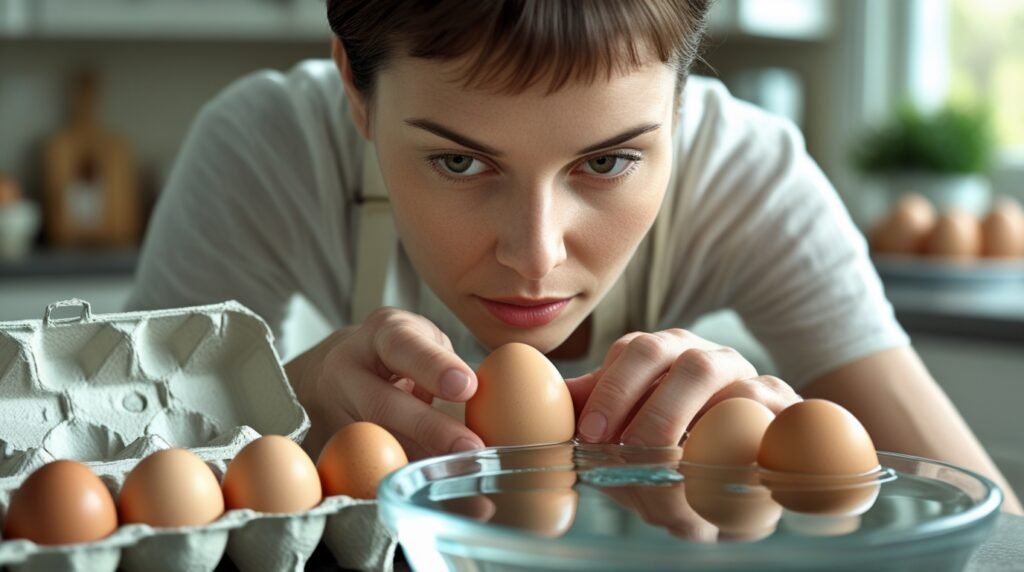
One of the most popular methods to check how to tell if eggs are still good is the water test. This simple test helps you determine whether your eggs are fresh or expired based on their buoyancy. Here’s how it works:
- Fill a bowl with cold water: Make sure the water is deep enough to fully submerge the eggs.
- Place the eggs in the bowl: Gently lower the eggs into the water one by one.
- Observe their behavior:
- Fresh eggs: If the egg sinks to the bottom and lays flat on its side, it’s fresh.
- Slightly older eggs: If the egg sinks but stands upright, it’s still safe to eat, but you should use it soon.
- Bad eggs: If the egg floats to the top, it’s no longer good and should be discarded.
The reason behind this test is that as eggs age, the air pocket inside the shell grows larger, making the egg more buoyant. This is one of the best ways to figure out how to tell if eggs are still good.
2. The Sniff Test: Trust Your Nose
If an egg passes the water test and sinks, you may still want to perform a quick sniff test to confirm how to tell if eggs are still good. Eggs have a natural odor, but a rotten egg will emit a strong, sulfuric smell that is unmistakable. If an egg smells even slightly bad once cracked open, discard it immediately. This is a simple yet effective method for how to tell if eggs are still good.
3. The Visual Inspection: Check for Cracks and Discoloration
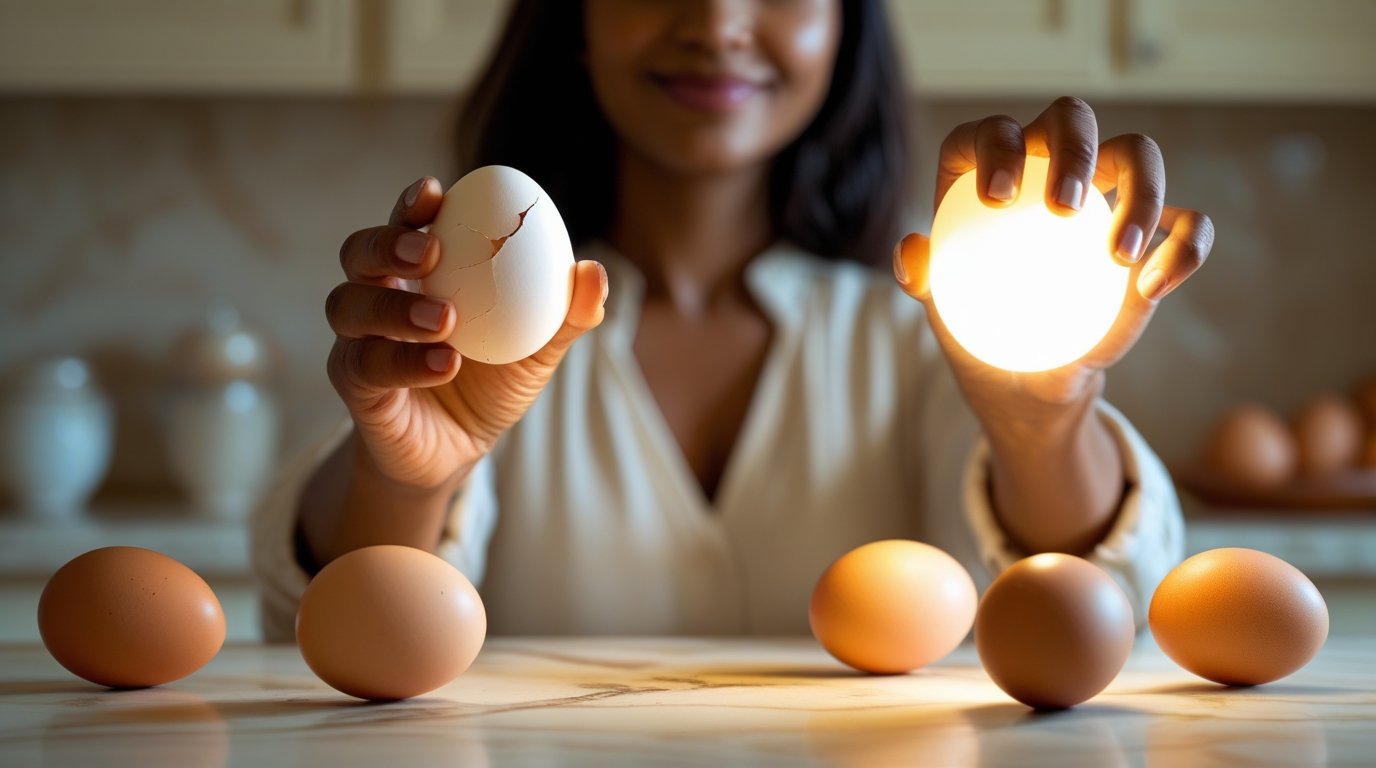
Another easy way to tell how to tell if eggs are still good is by performing a visual inspection. Start by checking the egg for cracks or any unusual discoloration, as both can indicate contamination or bacterial growth. Here’s what to look for:
- Cracks: A cracked egg is more vulnerable to bacterial contamination and should be discarded.
- Discoloration: If the egg white or yolk appears discolored (such as pink, green, or iridescent), it’s a sign that the egg is spoiled. However, a slight variation in yolk color is natural and not a cause for concern.
Using your eyes is a simple first step in how to tell if eggs are still good.
4. The Shake Test: Listen for Movement
This method is less common but can still give you a clue about egg freshness. Gently shake the egg near your ear. If you hear sloshing inside, the egg is likely older. Fresh eggs have a thick, firm white, so there is minimal movement. If the egg feels heavy and you don’t hear any liquid sloshing around, it’s still fresh. This can be an additional way of how to tell if eggs are still good.
5. The Crack Test: Inspect the Egg Once Opened
Once you crack an egg open, it’s easy to spot if it’s gone bad. Fresh eggs will have a thick, firm white that holds the yolk high in the center, while older eggs will have a runnier white, and the yolk will be flatter. In addition, check the odor; if there’s a foul smell once you crack the egg, discard it immediately. This is one of the most reliable methods to figure out how to tell if eggs are still good.
6. The Best By Date and Egg Carton Label
Although the “best by” or “sell by” date on your egg carton is not a definitive guide to freshness, it can offer a rough estimate of how long your eggs should last. However, eggs can remain good for a few weeks past the printed date, especially if they’ve been stored properly in the refrigerator. The key is to combine the date with the methods above to determine how to tell if eggs are still good.
Why Do Eggs Go Bad?
Eggs go bad over time due to a combination of factors, including bacteria growth, the loss of moisture, and changes in the egg’s structure. Here are the primary reasons why eggs spoil:
Bacteria Growth
As eggs age, the protective cuticle (the natural coating on the eggshell) wears off, making it easier for bacteria to enter the egg. Salmonella is the most common bacterial pathogen found in eggs, which is why it’s so important to store eggs in the refrigerator to slow bacterial growth.
The Aging Process
The aging process begins the moment eggs are laid. The protective cuticle fades over time, and the egg loses moisture through the shell. This causes the egg white to become thinner and the yolk to become less firm, leading to changes in texture and taste. This natural aging process is something to consider when you’re wondering how to tell if eggs are still good.
Storage Conditions
Eggs should be kept in the refrigerator at a consistent, cool temperature. If they’re stored at room temperature or fluctuating temperatures, they can spoil more quickly. Always ensure your refrigerator is at or below 40°F (4°C) for optimal egg preservation. Proper storage is essential to knowing how to tell if eggs are still good.
How to Extend the Freshness of Your Eggs
While eggs do have a shelf life, there are ways to keep them fresh for longer:
Store Eggs Properly
Keep eggs in their original carton to protect the eggs from absorbing odors from other foods in your fridge. Store the carton with the pointed end down to maintain the proper balance of the egg’s contents. This ensures they stay fresh longer and helps you learn how to tell if eggs are still good by preserving the natural integrity of the egg.
Freeze Eggs for Long-Term Storage
If you have eggs nearing their expiration date and can’t use them all in time, consider freezing them. To freeze eggs, crack them open and beat them lightly. Pour them into an airtight container or ice cube tray and freeze. When ready to use, thaw in the refrigerator and use them in recipes. Freezing eggs is a great way to ensure you always know how to tell if eggs are still good, even when you need to store them for a long period.
Common Mistakes to Avoid When Storing Eggs
To get the most out of your eggs, avoid these common storage mistakes:
Storing Eggs in the Refrigerator Door
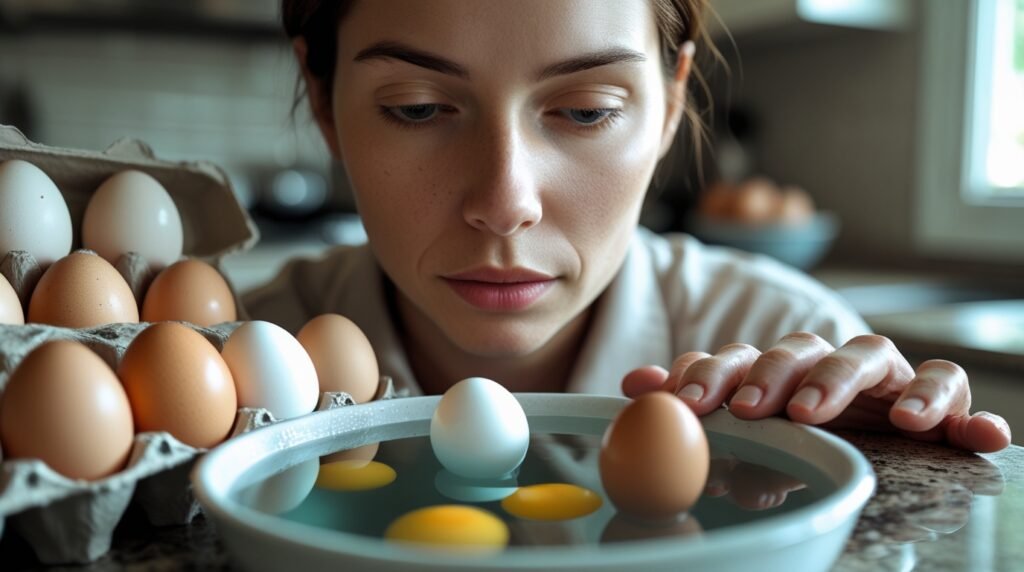
While convenient, storing eggs in the fridge door is not ideal. The constant opening and closing of the door causes temperature fluctuations, which can lead to premature egg spoilage. Instead, keep eggs on a middle or bottom shelf where temperatures are more stable. This helps you maintain proper storage and increase your knowledge of how to tell if eggs are still good.
Ignoring the Sell-By Date
The sell-by date on the carton can be a helpful guide, but it’s not a guarantee of freshness. Use the water test and sniff test to determine if eggs are still good beyond the date on the package. Combining these methods will ensure you always know how to tell if eggs are still good.
Storing Eggs Without a Carton
Eggs should always be kept in their carton to preserve freshness. Without the carton, eggs can absorb other odors from the fridge and become more vulnerable to contamination. Keeping eggs in their carton improves your ability to know how to tell if eggs are still good when it’s time to use them.
Conclusion
Knowing how to tell if eggs are still good is an essential skill for any home cook. Whether you use the water test, the sniff test, or simply check the egg’s appearance, these methods can help ensure that you’re only using fresh, safe eggs in your meals. Remember to store eggs properly in the refrigerator and be mindful of the expiration dates to maximize their shelf life. By following these tips, you’ll never have to wonder again how to tell if eggs are still good.
Frequently Asked Questions
How can I tell if eggs are fresh without cracking them?
You can perform the water test to check how to tell if eggs are still good. Fresh eggs sink and lay flat at the bottom of the bowl, while older eggs will float or stand upright.
How do I store eggs to make them last longer?
Keep them at a consistent, cool temperature and avoid washing them until you’re ready to use them. This will help you understand how to tell if eggs are still good more easily.