





In recent years, the field of chronic pain management has seen significant advances in both understanding and treatment. One condition that has gained attention in this context is inomyalgia, a term that refers to the widespread pain and discomfort that many individuals experience in their muscles and connective tissues. Though inomyalgia is often confused with other conditions like fibromyalgia, its specific causes and management strategies require a more detailed understanding.
This article explores inomyalgia in-depth, covering its symptoms, causes, diagnosis, treatment options, and how it affects daily life. Whether you’re dealing with inomyalgia yourself or supporting someone with this condition, this comprehensive guide will provide you with the information you need to navigate this challenging health issue.
What is Inomyalgia?
Inomyalgia is a term used to describe a chronic condition characterized by widespread muscle pain, tenderness, and discomfort. While it shares similarities with fibromyalgia, a more widely known condition, inomyalgia is often described in a more localized or specific context, particularly in how it affects the muscles, tendons, and connective tissue. This condition can manifest with various symptoms, including fatigue, muscle stiffness, and sometimes difficulty sleeping, and can vary greatly in intensity from person to person.
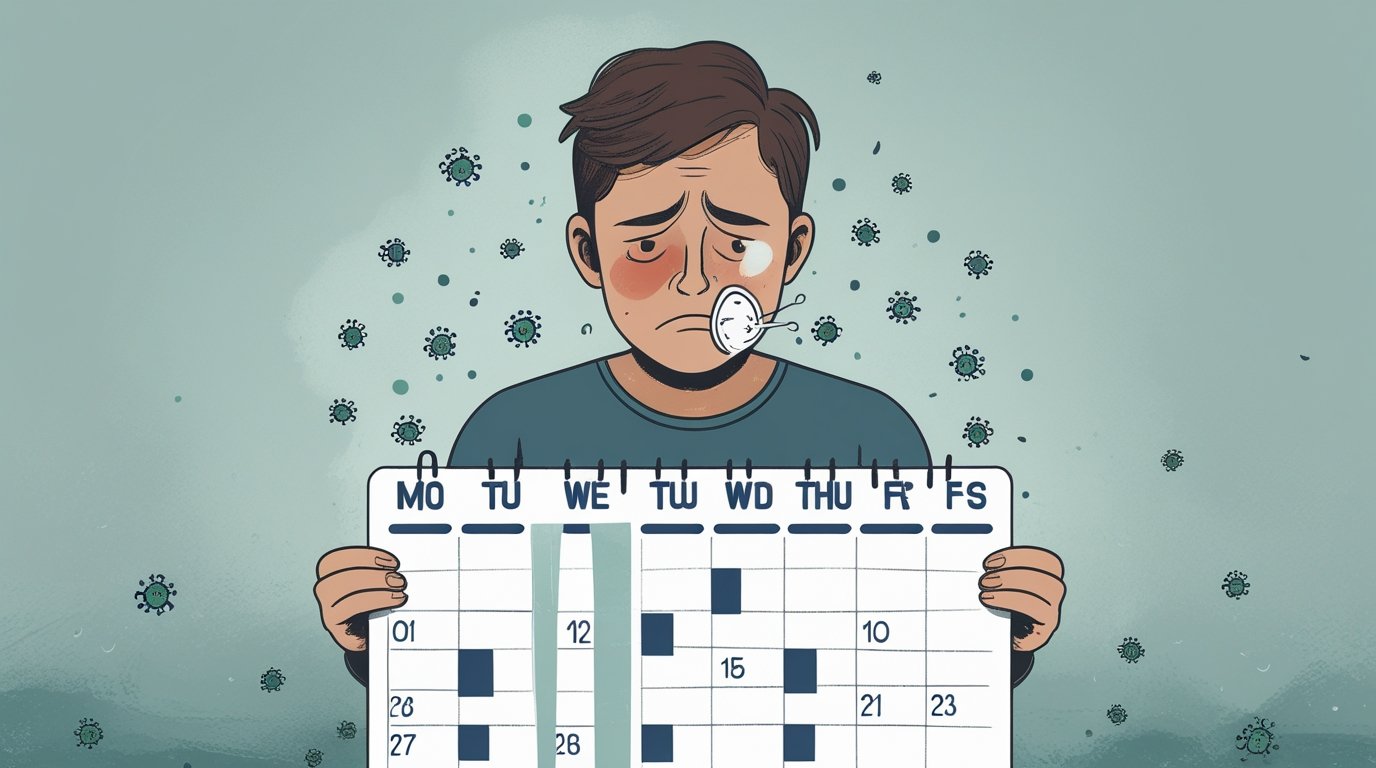
The exact cause of inomyalgia remains a topic of research and debate, but experts believe it may involve a combination of genetic, environmental, and psychological factors. In many cases, people with inomyalgia report experiencing flare-ups, where the pain is more intense and the symptoms are more pronounced. These flare-ups can be triggered by stress, physical activity, or certain environmental factors, making the condition both challenging to manage and unpredictable.
The Symptoms of Inomyalgia
The symptoms of inomyalgia are primarily centered around muscle pain, stiffness, and general discomfort. However, the condition can manifest in several ways, with each person experiencing different symptoms. Some of the most common signs of inomyalgia include:
Widespread Muscle Pain
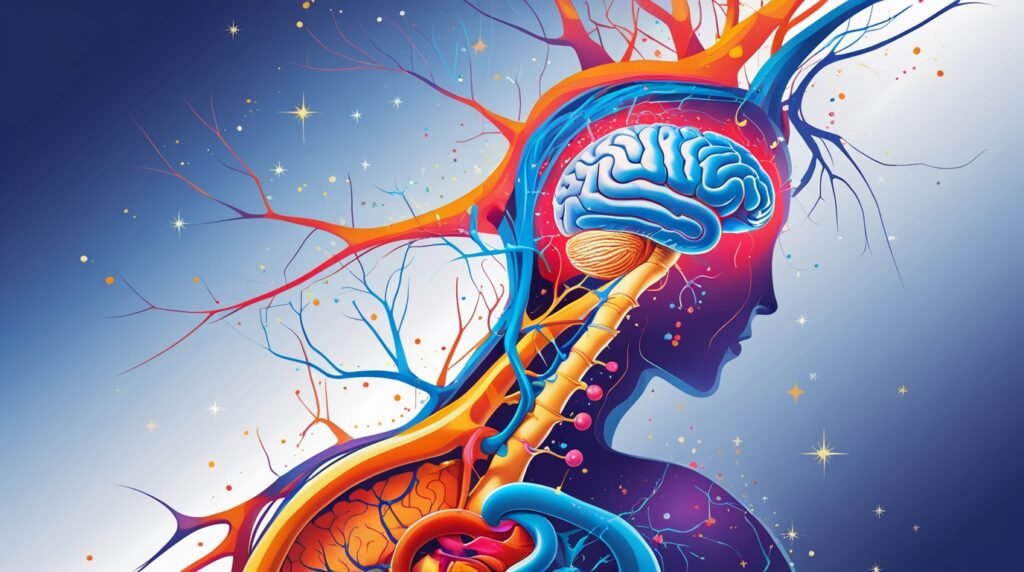
The hallmark of inomyalgia is persistent muscle pain that is often described as aching, throbbing, or burning. The pain typically affects the muscles and connective tissues, but can also extend to joints, ligaments, and tendons. This widespread pain can make it difficult for individuals to engage in normal daily activities and can significantly impact their quality of life.
Tenderness and Sensitivity
In addition to pain, individuals with inomyalgia often experience areas of extreme tenderness or sensitivity, especially in the muscles and soft tissues. These areas, known as “trigger points,” can be painful to the touch and may cause discomfort even when no pressure is applied.
Fatigue
Another common symptom of inomyalgia is persistent fatigue. Many individuals with this condition report feeling constantly tired, regardless of how much sleep they get. This fatigue can affect their ability to concentrate, perform physical tasks, and engage in social activities. The exhaustion that accompanies inomyalgia can be debilitating, leading to a reduced quality of life.
Sleep Disturbances
Many people with inomyalgia also struggle with sleep problems, including difficulty falling asleep, staying asleep, or experiencing restful sleep. This can be due to the pain and discomfort they feel, which makes it difficult for them to relax enough to sleep soundly. The lack of restorative sleep can, in turn, exacerbate the fatigue and pain experienced during the day.
Cognitive Issues
Some individuals with inomyalgia may also experience cognitive difficulties, such as memory problems, trouble concentrating, or what is commonly referred to as “fibro fog.” These cognitive issues can make it difficult for individuals to focus on tasks or retain information.
Stiffness and Decreased Mobility
Muscle stiffness is another prevalent symptom of inomyalgia. It often occurs in the morning after waking up or after long periods of inactivity. This stiffness can make it challenging to move freely and can lead to a decrease in overall mobility, making it harder to perform simple movements or exercise.
Causes and Risk Factors of Inomyalgia
The exact causes of inomyalgia remain unclear, but researchers believe it is a multifactorial condition, meaning it likely results from a combination of factors. These include genetic predisposition, environmental influences, and psychological factors. Below are some of the potential causes and risk factors that may contribute to the development of inomyalgia.
Genetics
There is some evidence to suggest that genetics may play a role in the development of inomyalgia. People with a family history of chronic pain conditions, such as fibromyalgia, may be more likely to develop inomyalgia themselves. Specific genes related to pain sensitivity and immune function may also contribute to the condition’s onset.
Environmental Factors
Stress, trauma, or infections can act as triggers for inomyalgia flare-ups. Emotional or physical stress can exacerbate the pain and make it more difficult for individuals to manage their symptoms. Infections, particularly viral infections, have also been associated with the development of chronic pain conditions like inomyalgia.
Psychological Factors
Psychological factors, such as anxiety and depression, can also play a significant role in the development and progression of inomyalgia. Stress and emotional distress are known to affect pain perception, and individuals with inomyalgia may be more sensitive to pain due to psychological factors. Additionally, conditions like depression and anxiety can contribute to the fatigue and sleep disturbances that are common in inomyalgia.
Hormonal Changes
Hormonal fluctuations, particularly in women, may also influence the development of inomyalgia. Many women report that their symptoms worsen during menstruation, pregnancy, or menopause, suggesting a potential hormonal link. This may explain why inomyalgia is more common in women than in men.
Diagnosing Inomyalgia
There is no definitive test for inomyalgia, which can make diagnosis challenging. Instead, healthcare providers rely on a combination of clinical evaluation, symptom history, and the exclusion of other potential conditions. The diagnostic process typically involves the following:
Comprehensive Physical Examination
A thorough physical exam is essential to assess muscle tenderness, joint function, and mobility. The healthcare provider may palpate specific trigger points to determine the areas of tenderness and assess the intensity of pain.
Medical History
A detailed medical history will help the healthcare provider understand the patient’s symptoms and how long they have been experiencing them. Information regarding sleep patterns, emotional well-being, and any history of trauma or infections will be essential in evaluating the condition.
Blood Tests and Imaging
While no specific blood tests exist for inomyalgia, tests may be performed to rule out other conditions that can cause similar symptoms, such as rheumatoid arthritis or thyroid disorders. In some cases, imaging tests like X-rays or MRIs may be used to eliminate the possibility of other musculoskeletal issues.
Diagnostic Criteria
Currently, inomyalgia diagnosis is often based on the presence of widespread pain and the exclusion of other conditions. The American College of Rheumatology (ACR) criteria for fibromyalgia can sometimes be applied to help with diagnosing conditions like inomyalgia. The key diagnostic feature is the presence of widespread pain lasting for at least three months without any other underlying medical conditions.
Treatment Options for Inomyalgia
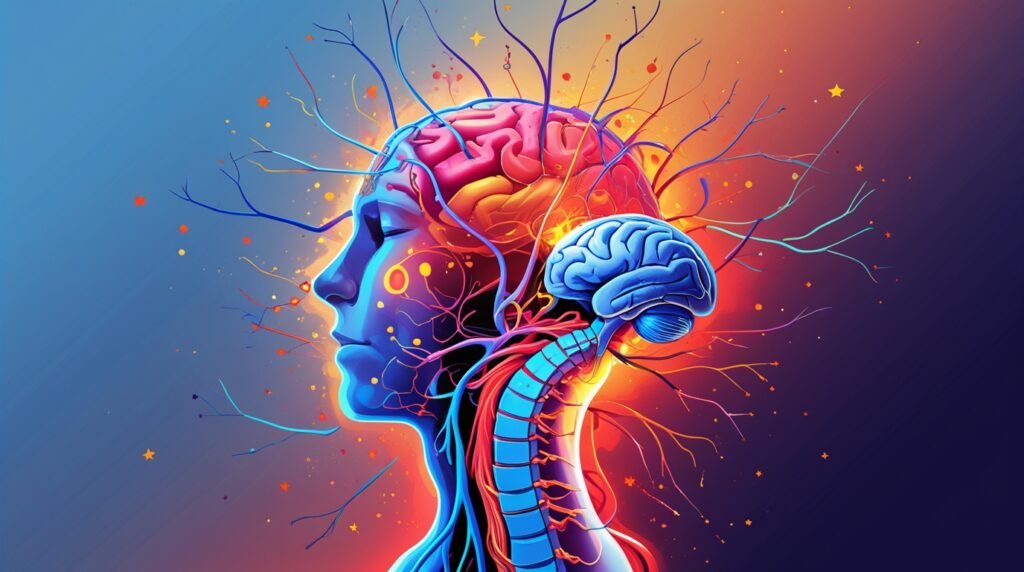
Although there is no cure for inomyalgia, several treatment options are available to manage the symptoms and improve quality of life. A combination of medical treatments, lifestyle changes, and self-care strategies can help individuals better cope with the condition.
Medications
For many individuals, medications are a key part of managing inomyalgia. Common treatments may include:
- Pain Relievers: Over-the-counter pain relievers, such as acetaminophen or nonsteroidal anti-inflammatory drugs (NSAIDs), can help reduce pain and inflammation.
- Antidepressants: Certain types of antidepressants, such as tricyclic antidepressants or serotonin-norepinephrine reuptake inhibitors (SNRIs), are often prescribed to help manage both pain and mood symptoms.
- Muscle Relaxants: In some cases, muscle relaxants may be prescribed to relieve muscle stiffness and discomfort.
- Anti-seizure Medications: Drugs like gabapentin and pregabalin are commonly used to treat nerve-related pain, which can be a significant component of inomyalgia.
Physical Therapy
Physical therapy can help individuals with inomyalgia improve their range of motion, reduce muscle stiffness, and increase strength. A physical therapist may design an individualized exercise program to address specific symptoms and improve mobility. Stretching, strength training, and aerobic exercise can help reduce pain and promote overall well-being.
Cognitive Behavioral Therapy (CBT)
Cognitive behavioral therapy (CBT) has been shown to be effective in managing the psychological aspects of inomyalgia. CBT helps individuals learn coping strategies for managing stress, pain, and fatigue, and can be particularly helpful in addressing anxiety and depression that often accompany the condition.
Lifestyle Changes
In addition to medical treatments, making lifestyle changes can help improve the symptoms of inomyalgia. Regular exercise, stress management techniques, and maintaining a healthy diet are all essential components of managing this chronic condition. Additionally, ensuring that you get adequate sleep and engaging in relaxation techniques, such as yoga or meditation, can help alleviate some of the symptoms of inomyalgia.
Conclusion: Living with Inomyalgia
Inomyalgia is a complex and often misunderstood condition that affects millions of people worldwide. While it can be challenging to manage, understanding the symptoms, causes, and treatment options available is the first step toward improving quality of life. Through a combination of medication, therapy, lifestyle changes, and support, individuals with inomyalgia can find ways to cope with their condition and lead fulfilling lives.
As research continues to evolve, new treatments and strategies for managing inomyalgia may emerge, providing hope for those affected by this chronic condition. Whether you’re dealing with inomyalgia yourself or supporting someone who is, this condition requires patience, care, and a multi-faceted approach to management. With the right tools and support, it is possible to manage the symptoms and improve overall well-being.
Frequently Asked Questions
1. What is the difference between inomyalgia and fibromyalgia?
While inomyalgia and fibromyalgia share many similarities, such as widespread pain and fatigue, inomyalgia tends to focus more on muscle pain and connective tissue, whereas fibromyalgia includes a broader range of symptoms, including cognitive difficulties. Additionally, fibromyalgia is more commonly diagnosed, and its criteria are well-established.
2. Can inomyalgia be cured?
Currently, there is no cure for inomyalgia, but it can be managed through a combination of medical treatments, lifestyle adjustments, and physical therapy. The goal is to alleviate pain, reduce fatigue, and improve overall quality of life.
3. How can I manage inomyalgia naturally?
Incorporating regular physical activity, practicing stress reduction techniques such as yoga or meditation, ensuring adequate sleep, and maintaining a healthy diet are all natural ways to help manage inomyalgia. Additionally, gentle stretching exercises and heat therapy may provide relief from muscle stiffness and pain.
4. Are there any foods that help with inomyalgia?
Although there is no specific “diet” for inomyalgia, an anti-inflammatory diet rich in fruits, vegetables, whole grains, lean proteins, and healthy fats can help reduce inflammation and improve overall health. Omega-3 fatty acids, found in foods like fish and flaxseeds, may also help alleviate pain.